
The Rising Popularity of Wood Plastic for Decks
Wood plastic composites (WPC) have transformed outdoor construction, especially in deck applications. Their unique composition allows for a blend of the best properties of wood and plastic, resulting in materials that are not only visually appealing but also practical. The growing demand for sustainable, durable, and low-maintenance construction materials has propelled wood plastic to the forefront of modern outdoor decking solutions. As a WPC extrusion mold design engineer, I have seen firsthand how the specific design elements of these materials significantly impact their performance attributes.
Influencing Strength through Design
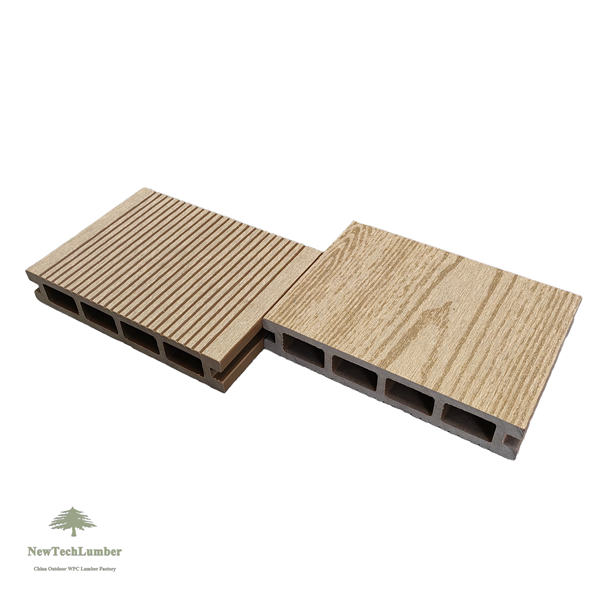
The strength of a WPC profile is one of its most crucial characteristics, especially when used in decking. The design of the profile, whether hollow or solid, plays a pivotal role in determining the load-bearing capacity. Hollow structures, although lighter, require careful engineering to ensure that they can support weight without compromising structural integrity. Solid structures, on the other hand, provide enhanced strength but can increase material costs and weight. Ultimately, the choice of profile design must balance strength requirements with practical considerations such as installation ease and transport costs.
Weight Considerations in WPC Decking
Weight is another significant factor in the effectiveness of wood plastic for decks. Lighter WPC profiles can simplify installation, making them more appealing to contractors and builders. However, the design intricacies, like rib structures within hollow profiles, can enhance load-bearing capabilities while keeping the weight in check. These rib designs improve the stiffness of the material, allowing it to resist bending and deformation under stress. This engineering approach ensures that even lightweight profiles can perform robustly during their lifespan, contributing to their appeal in deck construction.
Cost Implications of Profile Design
Cost efficiency is a primary consideration in any construction project, and WPC profiles are no exception. The complexity of the mould design can significantly influence production costs. Simpler designs may reduce manufacturing time and resources, making them more affordable for large-scale applications. However, investing in advanced rib and hollow structures can yield long-term savings by prolonging the lifespan of the decking and reducing maintenance needs. Therefore, effective design not only impacts upfront costs but also influences the overall value proposition of the wood plastic for decks.
Installation Performance and User Convenience
Installation performance is paramount in the construction sector, and WPC profiles are designed with this simplicity in mind. The geometry of a WPC profile, including its interlocking features and surface patterns, can facilitate quicker installation processes. Surface patterns also play a role beyond aesthetics, impacting slip resistance and user comfort. A well-designed surface can reduce the chances of slips and falls, making outdoor spaces safer for families and guests. As engineers, we strive to integrate these functional elements into our designs, making WPC decking not only visually appealing but also user-friendly.
Innovative Surface Patterns for Aesthetics and Functionality
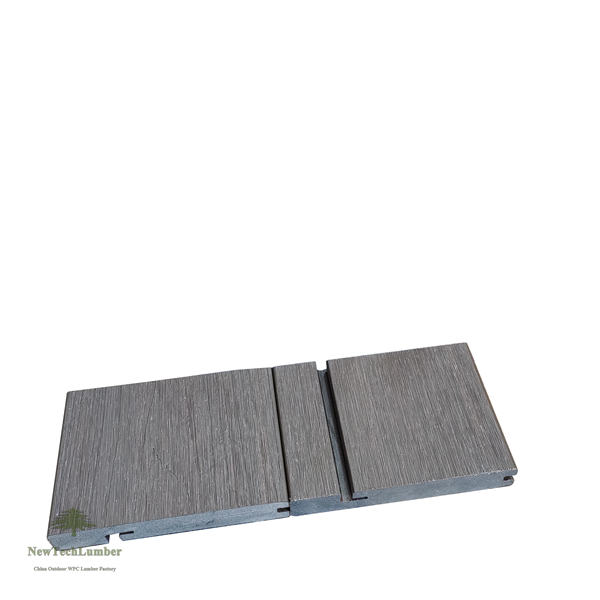
The surface finish of WPC decking significantly influences its attractiveness and usability. Various textured patterns can replicate the look of natural wood while offering enhanced durability against the elements. Aesthetically pleasing designs can increase the appeal of outdoor spaces, contributing to higher property values. Additionally, textured surfaces are often engineered for better drainage, preventing water accumulation and reducing the risk of mould growth. This combination of aesthetic appeal and functional design makes wood plastic an ideal choice for modern outdoor construction.
The blending of engineering principles with aesthetic design in WPC profiles is setting new standards in the building materials industry. As the demand for wood plastic for decks continues to rise, the focus on innovative profile designs will remain paramount. It is through careful consideration of strength, weight, cost, and installation performance that we can deliver high-quality, sustainable decking solutions that meet the needs of today’s discerning consumers. The future of outdoor construction indeed looks promising with the advancements in wood plastic composite technology.