
Innovative Design Trends in WPC Panels
The outdoor living space has evolved into an essential extension of the home. As an outdoor WPC product designer, I recognise the importance of innovative design trends that not only enhance aesthetics but also focus on safety features, particularly fire resistance. WPC, or wood-plastic composite, panels have gained popularity in various applications including decking, wall panels, fences, pergolas, and gazebos. The integration of modern colour palettes and textures creates visually appealing environments while ensuring that safety standards are met. With an increasing emphasis on sustainable building materials, WPC products are designed to mimic natural materials, providing both beauty and functionality without compromising safety.
Choosing the right colours and textures in WPC design can significantly influence the ambience of outdoor spaces. For example, earthy tones paired with wood-like finishes enhance the connection to nature, while contemporary palettes featuring greys and whites offer a modern touch. Textured surfaces not only improve grip and reduce the risk of slips but also contribute to the fire resistance of WPC panels. Innovations in manufacturing processes allow for the creation of profiles that enhance both the aesthetic and functional aspects of WPC products.
WPC Panel Fire Resistance and Safety Features
Fire resistance is a crucial consideration in outdoor design, particularly in areas at risk of wildfires or other fire hazards. WPC panels are engineered with fire-resistant properties, which can enhance the overall safety of outdoor structures. The unique composition of WPC, combining wood fibres with plastic, allows these panels to resist ignition and slow the spread of flames, providing critical time for occupants to evacuate in case of an emergency. This aspect of design is becoming increasingly important as regulations tighten around fire safety for residential and commercial buildings.
Incorporating WPC products into landscaping can also enhance safety. For example, using fire-resistant fencing materials can create safe boundaries while still adding visual appeal. Similarly, WPC decking around pools and patios can provide a durable and safe surface that withstands both fire and environmental conditions. The versatility of WPC allows designers to create custom solutions that meet specific fire resistance criteria without compromising on style.
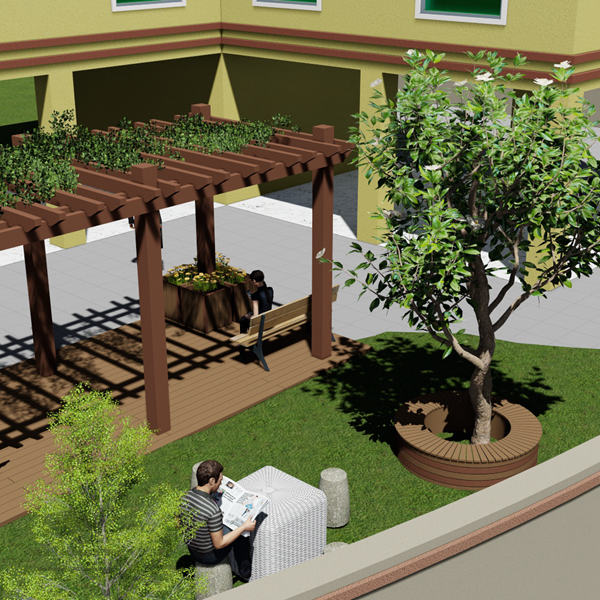
Modular Designs Enhance Flexibility
Modern design trends favour modular designs that offer flexibility and adaptability in outdoor spaces. WPC panels are available in various modular formats, allowing for easy installation and replacement. This not only simplifies the construction process but also ensures that any necessary repairs are less disruptive and can be completed efficiently. Designers can easily mix and match different panel styles and configurations to create unique looks tailored to individual preferences.
Enhancing Outdoor Living Spaces with WPC
The integration of WPC products into outdoor living spaces not only improves visual appeal but also contributes to longevity and maintenance ease. With minimal upkeep required, these materials retain their appearance and structural integrity over time. This longevity is complemented by the fire-resistant properties of WPC panels, which mitigate the risk of fire damage, ensuring that outdoor spaces remain safe and enjoyable for years.
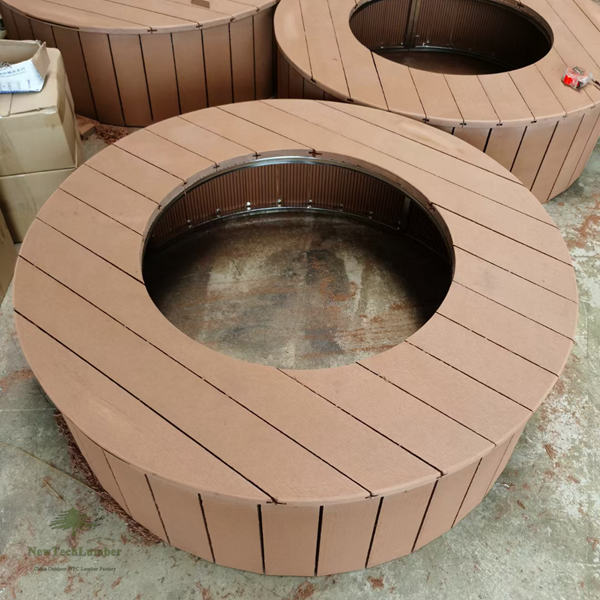
Moreover, the ability to design WPC structures that harmonise with the surrounding environment is paramount. Customisable features ensure that gardens, patios, and decks can be tailored to reflect personal styles while adhering to safety regulations. The combination of aesthetic appeal and functional safety makes WPC an ideal choice for any outdoor designer looking to enhance outdoor environments.
Future Trends in Outdoor Design
As we look toward the future of outdoor design, the focus on sustainability and safety will only grow stronger. Innovations in WPC technology will continue to improve fire resistance, while new design trends will prioritise eco-friendliness and aesthetic value. Emerging trends such as green roofs, vertical gardens, and multifunctional outdoor spaces are expected to become more prevalent, and WPC products will play a vital role in these developments.
By embracing these changes, designers can create outdoor spaces that are not only beautiful but also safe and environmentally responsible. The future of outdoor design lies in the seamless integration of aesthetics and functionality, and WPC products are at the forefront of this evolution, ensuring that safety and style go hand in hand.