
The Impact of Composite Decking Ice Melt
Composite decking has gained popularity due to its aesthetic appeal and durability, particularly in outdoor settings. However, during the colder months, many regions experience the application of ice melt products to ensure safety on these surfaces. While this is beneficial for preventing slips and falls, the chemical composition of certain ice melts can lead to concerns regarding the long-term performance of composite decking. Understanding these implications is vital for manufacturers and packaging engineers to consider when devising packaging solutions for decking products.
The interaction of composite decking with ice melt is influenced by the materials used in its manufacture. Most composite decking boards consist of wood fibres and plastic, which can react differently to various ice melt chemicals. This unique composition necessitates careful consideration in the design of export packaging, ensuring that the product remains protected during long-distance transportation while also being suitable for the specific environments it will face after installation.
Designing Durable Packaging Solutions
When exporting outdoor WPC products such as decking boards, wall panels, and profiles, it is essential to develop robust packaging solutions that cater to the rigours of ocean transportation. These products often face environmental challenges including moisture, temperature fluctuations, and potential chemical exposure during transit. Packaging engineers play a pivotal role in mitigating these risks by designing packaging that not only protects the products but also considers their exposure to ice melt once they arrive at their destination.
The materials selected for packaging must provide adequate cushioning to prevent physical damage. Utilising materials like corrugated cardboard, reinforced pallets, and shrink wrapping can safeguard against impacts and moisture ingress. Furthermore, incorporating moisture-resistant barriers can help protect the composite decking from any water exposure, which is crucial for preventing mould and mildew growth during transportation and storage.
Testing for Chemical Resistance
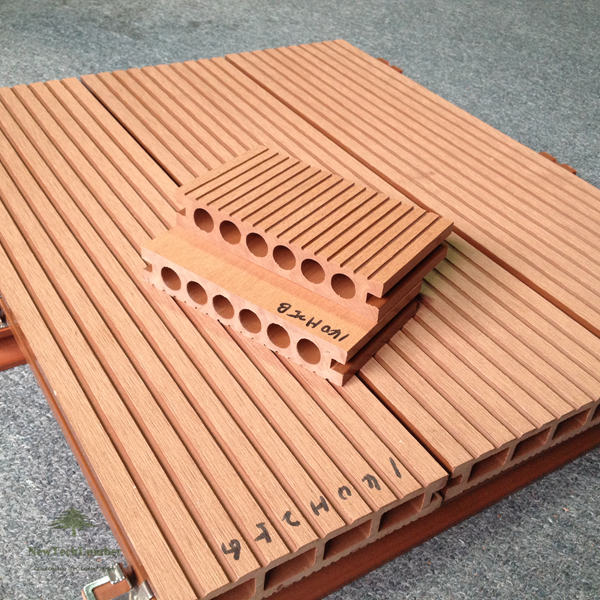
Before finalising packaging solutions, it is vital to conduct thorough testing to assess the chemical resistance of composite decking against various ice melt products. These tests inform the development of effective protective measures within the packaging design. Packaging solutions may incorporate layers that can absorb or neutralise harmful chemicals, providing an additional line of defence against potential deterioration caused by ice melt exposure.
Logistical Considerations for Packaging
Logistics play an integral role in the overall design of packaging for outdoor WPC products. The size and weight of the packaged items must be optimised for efficient shipping, reducing costs while ensuring that the products remain secure. Packaging engineers must collaborate closely with logistics teams to determine the most effective pallet configurations and container choices that align with the product’s specifications and the shipping constraints.
Moreover, sustainability is increasingly impacting packaging strategies. Many manufacturers are looking to reduce their environmental footprint by choosing recyclable or biodegradable packaging materials. Innovations in sustainable packaging not only align with global environmental standards but also appeal to eco-conscious consumers and businesses that prioritise sustainability.
Ensuring Product Integrity Upon Arrival
The effectiveness of export packaging is ultimately measured by the condition of the composite decking upon arrival at its destination. Ensuring that the boards remain undamaged and free from chemical degradation is paramount. Regular quality inspections during the packaging process help to maintain high standards, ensuring every batch meets specific requirements for durability and chemical resistance.
After extensive testing and quality assurance, the final packaging solutions are designed to enhance the user experience while protecting the product. This approach not only facilitates better customer satisfaction but also reinforces the brand’s reputation for quality. As a packaging engineer for outdoor WPC products, the goal is to ensure that the decking boards reach their intended market pristine and ready for installation, offering a long-lasting solution for outdoor spaces.