The Rise of Composite Decking
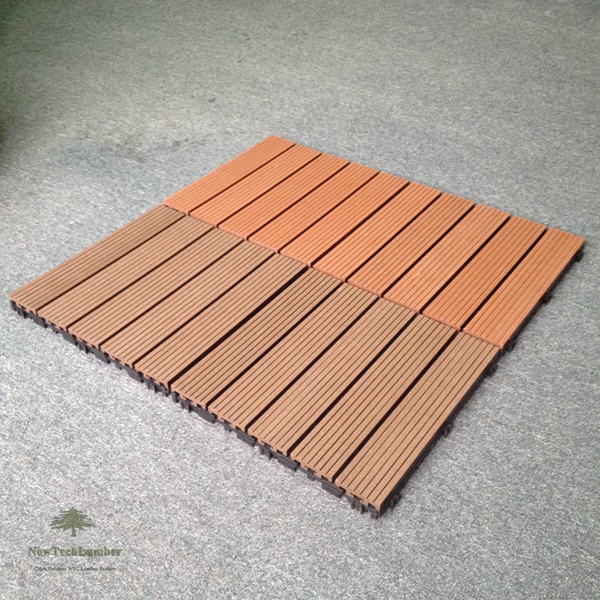
Composite decking has gained significant popularity in the construction and landscaping sectors, primarily for its sustainable attributes. Outdoor wood-plastic composite (WPC) decking products are engineered from a mixture of recycled wood fibres and plastic, presenting a more environmentally friendly alternative to traditional timber. As sustainable building materials gain traction in both residential and commercial applications, understanding how to successfully build a composite deck becomes increasingly essential.
Recycled Materials Make a Difference
One of the most compelling reasons for choosing WPC for outdoor decking is its composition, which largely includes recycled materials. Manufacturers often source wood fibres from sawmill waste or reclaimed timber, while the plastic components can come from post-consumer waste such as bottles and containers. This innovative recycling process not only diverts waste from landfills but also reduces the demand for new timber, helping to conserve forests and diminishing the environmental impact associated with deforestation.
Reducing Wood Consumption
Another critical factor in the favour of composite decking is its contribution to reduced wood consumption. By utilising recycled wood and plastic, WPC decking significantly lowers the need for natural timber extraction. This approach not only helps to preserve biodiversity but also promotes sustainable forestry practices. In an era where environmental responsibility is increasingly valued, building a composite deck from eco-friendly materials showcases a commitment to sustainability, appealing to eco-conscious consumers and businesses alike.
Durability and Longevity
Durability is a hallmark of outdoor WPC products, making them a wise investment for any decking project. Unlike traditional wood, which can be susceptible to rot, splintering, and insect infestations, composite materials are engineered to withstand the elements. They possess remarkable resistance to moisture, UV rays, and temperature fluctuations, ensuring that a composite deck maintains its appearance and structural integrity over time. This longevity translates to fewer replacements and repairs, reducing the overall resource consumption and waste typically associated with traditional decking options.
Low-Maintenance Advantages
Maintaining a traditional wooden deck often involves extensive upkeep, including regular staining, sealing, and cleaning to prevent decay and discolouration. In contrast, one of the remarkable advantages of building a composite deck is its low-maintenance nature. WPC products require minimal care, usually needing only occasional washing with soap and water to keep them looking pristine. This ease of maintenance not only provides convenience for homeowners but also minimises the need for harsh chemicals that can be harmful to the environment, aligning with sustainable building practices.
Cost-Effectiveness Over Time
While the initial investment for composite decking may be higher than traditional wood, the long-term cost savings are significant. With reduced maintenance needs and enhanced durability, homeowners find that they spend less over the years on repairs and replacements. This economic benefit resonates especially well with businesses looking to optimise budgets while adhering to sustainable practices. Building a composite deck is not just an environmentally friendly choice; it is a financially sound one as well.
In summary, the key steps for building a successful composite deck encompass not only the construction process itself but also an understanding of the materials used. Outdoor WPC decking stands out as a sustainable option that utilises recycled materials, reduces wood consumption, and offers durability along with low-maintenance advantages. For those committed to environmentally conscious building practices, choosing composite decking is a significant step toward sustainable development, showcasing both practicality and a respect for the planet.