
The Versatility of WPC Wall Panels in Modern Architecture
WPC wall panels have emerged as a highly sought-after material in the realm of modern building decoration. Combining wood and plastic, they offer a unique blend of aesthetics and functionality. As a landscape engineering consultant, I have witnessed firsthand how architects and landscape designers harness the versatility of WPC products to create stunning, durable outdoor environments. The use of WPC wall panels is particularly favoured for their resistance to weathering, making them ideal for various applications in both residential and commercial settings.
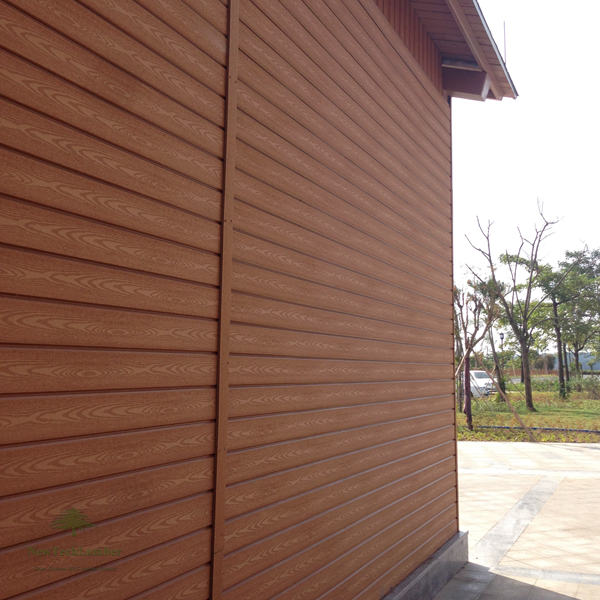
Architects are increasingly inclined to specify WPC wall panels in their projects due to their ability to mimic the look and feel of natural wood while eliminating common problems associated with wood, such as rotting, splintering, and warping. This makes WPC an ideal choice for façade cladding, garden walls, and even boundary fencing, enhancing the overall aesthetic appeal of properties while requiring minimal maintenance.
Material Selection and Project Considerations
When selecting WPC wall panels for a project, several factors come into play. The thickness, colour, and texture of the panels can significantly impact the final appearance of the space. Architects often work closely with WPC manufacturers to choose panels that not only suit the design intent but also meet the structural requirements of the building. For instance, thicker panels may be preferred for commercial applications requiring greater durability, while thinner panels may suffice for residential use.
It’s essential to consider the environmental impact of WPC materials during the selection process. Many manufacturers now offer eco-friendly options made from recycled materials, allowing architects to align their projects with sustainable building practices. The durability of WPC wall panels also contributes to their sustainability. Their long lifespan reduces the need for frequent replacements, ultimately lowering the carbon footprint linked to construction.
Design Flexibility and Aesthetic Appeal
The aesthetic versatility of WPC wall panels enables landscape designers to explore various design themes. The panels can be easily painted or stained to match a specific colour palette, ensuring a cohesive look throughout the outdoor space. Whether aiming for a contemporary minimalist design or a rustic charm, WPC wall panels provide an adaptable solution. The variety of finishes available, including brushed, smooth, and embossed textures, allows for further design customisation.
Moreover, WPC panels can be easily integrated with other outdoor elements such as lighting and furniture, enhancing the overall ambience of the environment. This adaptability not only elevates the visual appeal but also invites creativity in project planning. Designers can experiment with patterns and layouts, creating unique installations that capture the eye and harmonise with the surrounding landscape.
Durability and Low Maintenance
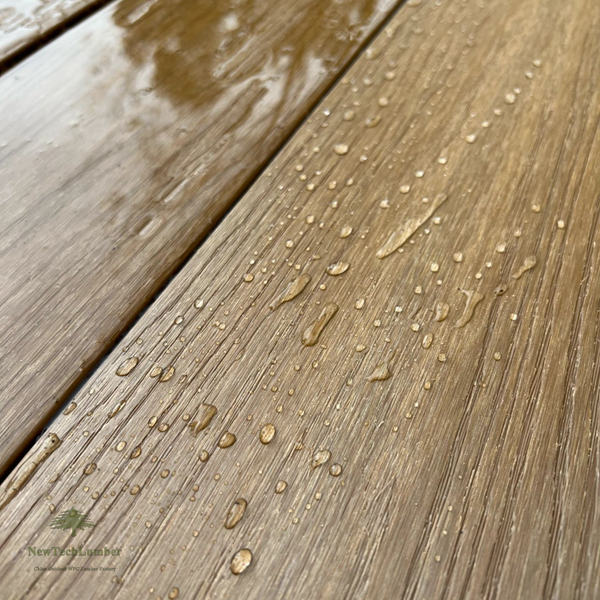
One of the primary advantages of WPC wall panels lies in their durability. Unlike traditional wood, WPC does not absorb moisture, significantly reducing the risk of mold and mildew. This characteristic is especially beneficial in humid climates, where outdoor structures often face a higher risk of deterioration. The resistance to fading from UV exposure ensures that the panels maintain their aesthetic quality for years, making them a reliable choice for outdoor applications.
Furthermore, WPC wall panels demand minimal maintenance compared to wood or other materials. Routine maintenance typically involves simple cleaning with soap and water, eliminating the need for costly treatments such as staining or sealing. This ease of care enables property owners to enjoy their outdoor spaces without the burden of frequent upkeep, thus enhancing the overall value of the property.
Applications in Outdoor Spaces
The versatility of WPC wall panels allows for a diverse range of applications in outdoor settings. From garden walls that serve as privacy screens to decorative cladding on pergolas, these panels can transform any outdoor area. They can also be used in commercial projects, such as cafes and restaurants, where the ambiance plays a significant role in customer experience. By incorporating WPC wall panels, establishments can create inviting outdoor dining spaces that are both stylish and functional.
In addition to aesthetic applications, WPC wall panels can be used strategically for acoustic management. When installed in areas where noise reduction is essential, these panels can help absorb sound, creating a more serene outdoor environment. This functionality is particularly advantageous in urban settings where noise pollution is prevalent, making WPC an asset in thoughtful landscape design.
Future Trends in WPC Applications
The future of WPC wall panels in architecture looks bright as technology in material production continues to evolve. Innovations in durability, colour retention, and sustainable sourcing are set to enhance the appeal of WPC even further. Architects and landscape designers are likely to embrace these advancements, pushing the boundaries of design possibilities and environmental responsibility.
As the demand for sustainable building materials grows, the role of WPC wall panels in modern architecture and landscape design will undoubtedly expand. By continually adapting to the needs of both the environment and the aesthetic aspirations of clients, WPC products stand poised to remain a staple in outdoor decoration for years to come.