
Evaluating WPC Decking for Outdoor Installations
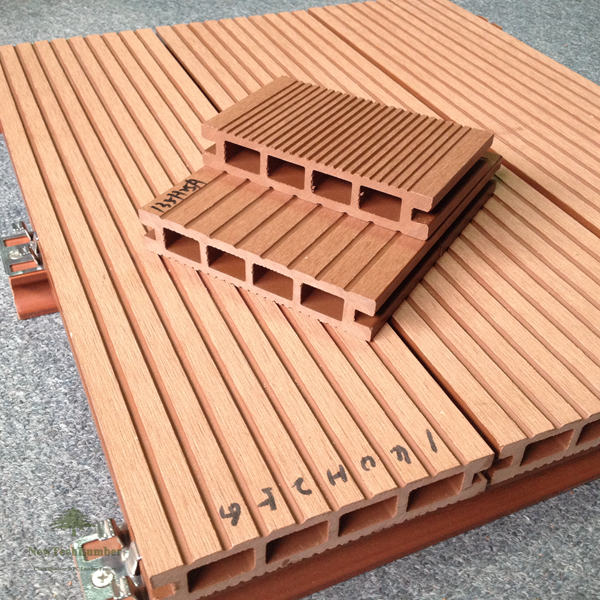
WPC (Wood Plastic Composite) decking has emerged as a popular choice for outdoor installations, particularly when compared to traditional materials such as natural wood, timber, and aluminium. This composite material is designed to mimic the appearance of wood while incorporating plastic components to enhance durability and reduce maintenance needs. When considering how to cut WPC decking correctly for custom outdoor installations, it is essential to understand its properties and advantages over other materials.
WPC decking is resistant to moisture, rot, and insect infestations, making it a long-lasting choice for outdoor spaces. Unlike natural wood, which can warp and splinter over time, WPC maintains its integrity under various weather conditions. Additionally, it does not require the frequent sealing or staining that traditional timber demands. This ease of maintenance is a significant factor for homeowners and contractors alike, who are often seeking solutions that reduce long-term costs.
Maintenance Requirements of WPC vs. Traditional Materials
When it comes to maintaining outdoor spaces, WPC decking significantly outperforms many traditional materials. Natural wood requires regular treatments to protect against the elements, whereas WPC, being a composite, typically only needs an occasional wash to keep it looking new. This lower maintenance requirement translates to fewer labour costs over the lifespan of the installation. In contrast, aluminium offers high durability but can conduct heat, making it uncomfortable to walk on during hot weather. WPC’s temperature regulation makes it a more comfortable choice for bare feet.
Additionally, while aluminium can be prone to denting and scratching, WPC decking is engineered to withstand impact without significant damage. However, it is essential to note that the longevity of WPC decking does hinge on proper installation. Cutting WPC decking correctly involves using the right saw blades and techniques to ensure clean edges without compromising structural integrity.
Lifecycle Costs: WPC vs. Other Materials
When assessing lifecycle costs, WPC decking often emerges as a cost-effective solution. Though the initial investment may be higher than some traditional timber options, the savings in maintenance and longevity can lead to lower overall costs. Traditional wood decking, while initially less expensive, typically incurs costs related to regular treatments, repairs, and replacements after a few years. In contrast, WPC can last up to 25 years or more with minimal maintenance.
Aluminium, while durable, can be significantly more expensive upfront and may require additional costs for insulation or padding to mitigate heat retention. For many projects, especially large installations, the financial benefits of choosing WPC decking can be compelling. Cost-conscious consumers and businesses alike are increasingly opting for WPC as a long-term investment.
Comparative Aesthetics: WPC vs. Other Outdoor Materials
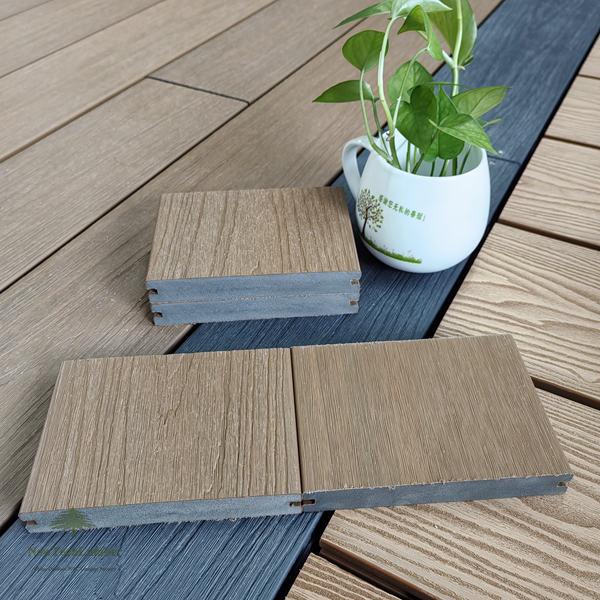
Aesthetically, WPC decking has come a long way in recent years, offering various colours and textures that can simulate the natural beauty of wood. This versatility allows designers to create custom outdoor spaces that suit various architectural styles without the drawbacks associated with traditional materials. While some may argue that nothing beats the authenticity of natural wood, advancements in WPC manufacturing have produced highly appealing finishes that can complement any landscape design.
Moreover, WPC decking does not fade or lose colour as quickly as natural wood, which can become grey and weathered over time. This colour retention reduces the need for refinishing and enhances the overall appearance of outdoor installations. Consequently, WPC decking has established itself as a leading choice for architects and designers aiming to balance aesthetics with functionality in outdoor projects.
Cutting WPC Decking: Best Practices for Custom Installations
Correctly cutting WPC decking is crucial for achieving a professional finish in outdoor installations. Utilising the right tools is key; a fine-toothed saw blade is recommended to minimise chipping and ensure clean cuts. Additionally, it is essential to measure accurately and consider the expansion and contraction properties of WPC, particularly in varying temperatures. Pre-drilling holes can also prevent splitting, especially at the ends of the boards.
Attention to detail during the cutting process will enhance the structural integrity of the decking and contribute to a seamless installation. Properly installed WPC decking not only looks professional but also contributes to the durability and longevity of the outdoor space. As WPC continues to gain traction in the building industry, understanding the best practices for cutting and installing this material will be invaluable for engineers, contractors, and architects alike.