
Versatile WPC Cladding Panels for Various Applications
Wood-Plastic Composite, commonly known as WPC, has emerged as a popular choice for cladding panels in various applications due to its unique combination of properties. WPC combines the natural aesthetics of wood with the durability of plastic, making it an ideal material for both residential and commercial projects. The installation and maintenance of WPC cladding panels are crucial to ensure their longevity and performance, and understanding these aspects can help in making informed decisions.
One of the primary advantages of WPC cladding panels is their ease of installation. These panels are lightweight compared to traditional materials, which simplifies the handling and reduces the time required for installation. WPC panels can be easily cut and shaped using standard woodworking tools, allowing for a high degree of customization. This flexibility makes WPC suitable for a wide range of applications, including exterior facades, garden walls, and even interior design elements. Additionally, many manufacturers provide comprehensive installation guidelines, which further facilitate the process.
When installing WPC cladding panels, proper surface preparation is essential. It is important to ensure that the underlying structure is sound and level to prevent any complications during the installation process. A moisture barrier should be installed where necessary, particularly in areas prone to dampness, to protect the WPC panels from potential water damage. This step is crucial as WPC is designed to resist moisture but is not entirely impervious to it.
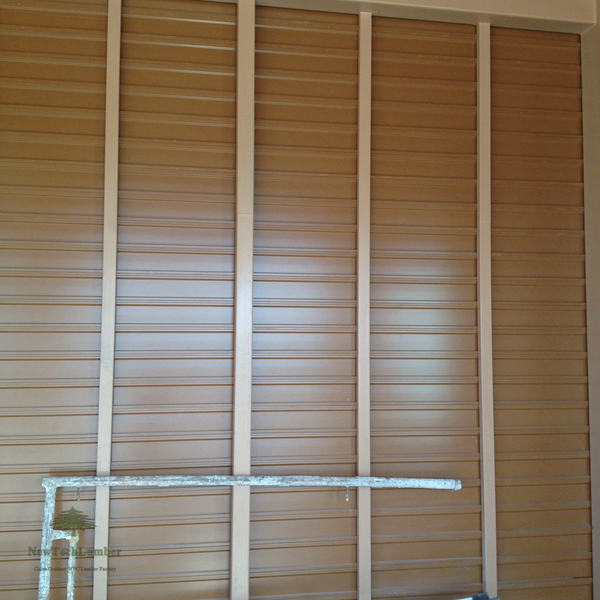
The installation method can vary depending on the design of the cladding system. Some panels are designed for direct attachment to framing, while others may require a substructure or battens for support. It is advisable to follow the manufacturer’s recommendations closely to ensure optimal performance and maintain any warranty coverage. Proper spacing between panels is also important to allow for expansion and contraction due to temperature changes, which can affect the integrity of the installation over time.
Once installed, WPC cladding panels require minimal maintenance, making them an attractive option for busy homeowners and property managers alike. Unlike traditional wood, WPC does not require regular painting or staining, which can be time-consuming and costly. Instead, periodic cleaning with mild soap and water is usually sufficient to keep the panels looking fresh and new. This low-maintenance nature is one of the key selling points of WPC, as it allows for a more carefree living environment without sacrificing aesthetics.
Despite the durability of WPC, it is still important to conduct regular inspections to identify any signs of wear or damage. Although WPC is resistant to rot and decay, it is not entirely immune to fading over time due to UV exposure. To address this, some manufacturers offer WPC panels with UV-resistant coatings or additives, which can help maintain color and appearance for a longer period. Additionally, in areas with high foot traffic or potential impact, it may be beneficial to install protective measures to prevent scratches or dents.
Another aspect to consider in the maintenance of WPC cladding panels is their susceptibility to mold and mildew in humid environments. While WPC is generally resistant to these issues, it is advisable to keep the panels clean and free from debris that can retain moisture. Regularly washing the panels and ensuring that they are properly ventilated can significantly reduce the likelihood of mold growth. If mold does appear, it can typically be removed with a mixture of water and vinegar or a specialized cleaning solution designed for WPC materials.

For those interested in sustainability, WPC cladding panels offer an environmentally friendly alternative to traditional wood. They are often made from recycled materials, which helps reduce waste and the demand for virgin resources. When the time eventually comes to replace the panels, many WPC products are recyclable, further contributing to their eco-friendly profile.
In the context of various applications, WPC cladding panels can be utilized in both residential and commercial settings. They are suitable for modern architectural designs, providing a contemporary look while retaining a natural feel. WPC panels can be used in outdoor living spaces, such as decks and patios, as well as in garden features like fences and privacy screens. Their versatility extends to interior applications as well, where they can be used for accent walls or decorative elements, adding warmth and texture to any space.
Choosing the right WPC cladding panels involves considering factors such as color, texture, and finish, which can complement the overall design of a project. With a variety of options available, it is possible to find WPC panels that meet specific aesthetic preferences while providing the practical benefits of durability and low maintenance.
In the realm of installation and maintenance, WPC cladding panels stand out as a smart choice for those looking for a versatile and long-lasting solution. With proper care and attention during installation, these panels can enhance any structure while requiring minimal upkeep in the years to come. As more architects, builders, and homeowners recognize the benefits of WPC, its applications continue to expand, showcasing its potential in both functional and aesthetic capacities.