
Durable WPC Board for All Your Construction Needs
Durable Wood Plastic Composite Board for All Your Construction Needs
Wood Plastic Composite, commonly known as WPC, has gained immense popularity in the construction industry due to its remarkable properties and versatility. This innovative material combines the best characteristics of wood and plastic, resulting in a product that is both durable and aesthetically pleasing. As construction projects increasingly demand materials that not only perform well but also contribute to sustainability, WPC boards have emerged as an ideal solution for a variety of applications.
One of the primary reasons for the widespread use of WPC boards is their impressive durability. Unlike traditional wood, WPC does not warp, crack, or split under harsh environmental conditions. This resilience stems from the unique composition of WPC, which typically consists of a blend of recycled wood fibers and high-density polyethylene. The integration of these materials creates a board that is not only resistant to moisture but also impervious to common problems associated with wood, such as rot and insect infestation. This makes WPC an excellent choice for outdoor applications, including decking, fencing, and landscaping features.
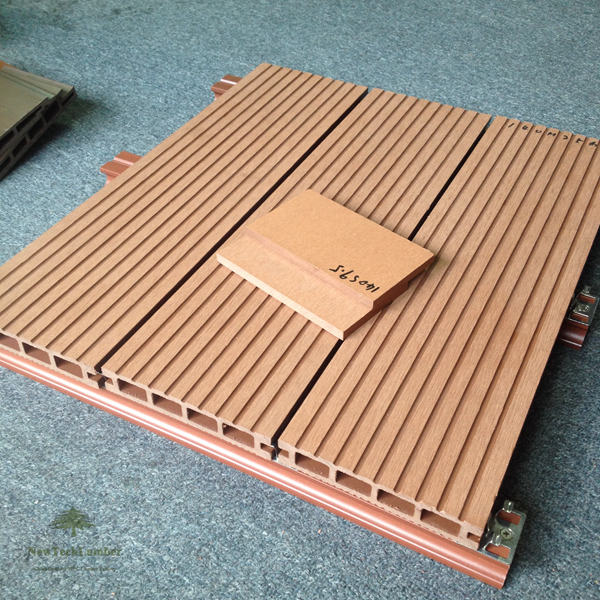
In addition to its durability, WPC boards are known for their low maintenance requirements. Unlike traditional wood that requires regular staining, sealing, and painting to maintain its appearance and structural integrity, WPC boards can simply be cleaned with soap and water. This ease of maintenance not only saves time and effort but also reduces the long-term costs associated with preserving the material. As a result, WPC boards are increasingly favored by homeowners and builders looking for a hassle-free solution that does not compromise on quality.
Another significant advantage of WPC boards is their versatility in design and application. Available in a wide range of colors, textures, and finishes, WPC can easily mimic the appearance of natural wood while providing enhanced performance characteristics. This aesthetic flexibility allows architects and designers to create visually appealing structures that meet the demands of contemporary design trends. Whether it is for residential decking or commercial cladding, WPC boards can be tailored to fit various styles and preferences, making them an attractive option for diverse construction projects.
WPC boards also contribute positively to the environment, aligning with the growing emphasis on sustainability in construction. The use of recycled materials in their production not only reduces waste but also lessens the reliance on virgin resources. Additionally, WPC does not require the chemical treatments often used in traditional wood preservation, making it a safer choice for both human health and the environment. As more builders and homeowners seek eco-friendly alternatives, WPC boards stand out as a responsible choice that meets modern environmental standards.
Furthermore, WPC boards exhibit excellent thermal properties. They can withstand a wide range of temperatures without compromising their structural integrity or aesthetic appeal. This thermal stability makes them suitable for various climates, ensuring that they perform reliably in both hot and cold environments. The ability to resist fading and discoloration due to UV exposure further enhances their longevity, allowing for years of use without the need for frequent replacements.
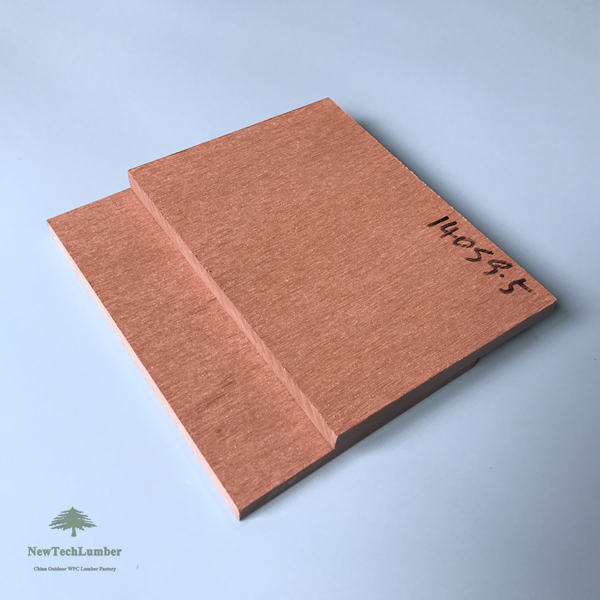
The installation process for WPC boards is also a key factor in their popularity. Many WPC products are designed with interlocking systems or pre-drilled holes, allowing for straightforward installation. This ease of use not only accelerates the building process but also minimizes labor costs, making WPC boards an economical choice for contractors. Additionally, the lightweight nature of WPC boards simplifies transportation and handling, further streamlining the construction process.
Safety is another critical consideration in construction materials, and WPC boards excel in this regard. Many WPC products are designed to be slip-resistant, making them a safe choice for outdoor applications where moisture can lead to hazardous conditions. This feature is particularly important for areas such as pool decks and walkways, where the risk of slipping can be a significant concern. Furthermore, WPC boards are fire-resistant, providing an added layer of safety against potential fire hazards.
The acoustic properties of WPC boards also deserve mention. The composite material can absorb sound better than traditional wood, making it an excellent choice for building projects in noise-sensitive environments. This characteristic can enhance the comfort and livability of residential spaces, as well as improve the working conditions in commercial settings.
In the competitive field of construction materials, WPC boards have proven themselves to be a reliable and innovative option that meets the diverse needs of builders and homeowners alike. Their combination of durability, low maintenance, aesthetic versatility, and environmental sustainability positions them as a smart choice for a wide range of applications. As demand for effective and sustainable materials continues to grow, WPC boards are set to play an increasingly vital role in shaping the future of construction. Whether for new builds or renovations, selecting WPC boards ensures that projects are completed with materials that are not only functional but also environmentally responsible.