
Innovative WPC Slatted Cladding for Unique Designs
In recent years, the construction and design industries have seen a growing trend towards the use of sustainable materials. Among these, Wood Plastic Composites, commonly known as WPC, have gained considerable attention. WPC combines the natural aesthetics of wood with the durability and low maintenance of plastic, making it an ideal material for cladding applications. The innovative design of slatted cladding using WPC not only enhances the visual appeal of buildings but also contributes to environmental sustainability.
WPC is manufactured through a process that involves mixing wood fibers with thermoplastic polymers. This unique combination offers several advantages over traditional materials. The wood fibers provide a natural look and feel, while the thermoplastic components ensure high resistance to moisture, insects, and decay. As a result, WPC can withstand various weather conditions, making it suitable for both indoor and outdoor applications.
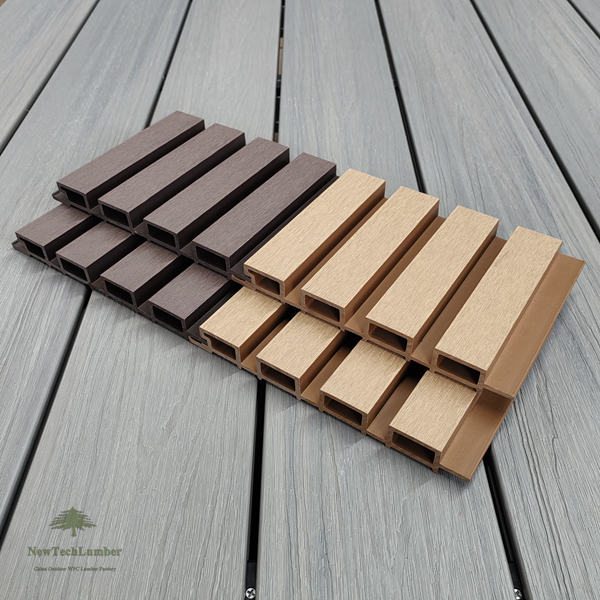
The production process of WPC begins with the selection of raw materials. The wood fibers used are often sourced from recycled wood products, contributing to sustainability by reducing waste. The thermoplastic polymers, typically polyethylene or polypropylene, are also often derived from recycled plastics. This dual recycling approach not only minimizes the environmental footprint but also ensures that the final product maintains a high level of quality.
Once the raw materials are selected, they undergo a process known as compounding. In this stage, the wood fibers and thermoplastics are mixed together in a controlled environment, where they are heated and blended to create a homogenous material. The compounding process is critical as it determines the physical properties of the final WPC product. Factors such as temperature, mixing time, and the ratio of wood to plastic can be adjusted to achieve desired characteristics, including strength, flexibility, and surface finish.
After compounding, the mixture is cooled and then extruded into various shapes and profiles. For slatted cladding, the material is typically extruded into long, flat boards that can be easily cut to size. The extrusion process allows for the creation of a variety of profiles, including slats of different widths and thicknesses. This versatility enables architects and designers to create unique patterns and designs, catering to individual aesthetic preferences.
An essential aspect of WPC slatted cladding is its surface finish. Various techniques can be employed to enhance the appearance and texture of the material. For instance, the surface can be embossed to mimic the natural grain of wood or left smooth for a modern look. Additionally, the color of WPC can be customized using pigments during the compounding stage, allowing for a wide range of design options. This adaptability is particularly appealing for designers looking to create bespoke solutions for their projects.

Another significant benefit of using WPC slatted cladding is its low maintenance requirements. Unlike traditional wood, which may require regular staining or sealing to protect against the elements, WPC is designed to be weather-resistant and does not need periodic treatments. This feature not only saves time and labor costs but also contributes to the longevity of the cladding, making it a cost-effective choice in the long run.
The installation of WPC slatted cladding is also straightforward, further enhancing its appeal in construction projects. The lightweight nature of WPC allows for easier handling and installation compared to heavier materials. Additionally, many manufacturers provide systems that incorporate hidden fasteners, resulting in a clean, seamless appearance. This not only improves the aesthetic quality of the building but also protects the fasteners from the elements, further increasing the durability of the cladding.
Environmental considerations are paramount in today’s design and construction landscape. The use of WPC aligns with sustainable building practices by reducing reliance on virgin timber and minimizing plastic waste. By choosing WPC, designers and builders can contribute to a circular economy, promoting the use of recycled materials and reducing the overall environmental impact of construction activities.
Furthermore, WPC slatted cladding can also contribute to energy efficiency in buildings. The material’s insulating properties can help regulate indoor temperatures, reducing the need for heating and cooling. This aspect is particularly important in the context of climate change, as energy-efficient buildings are essential for reducing greenhouse gas emissions.
The innovative application of WPC in slatted cladding represents a significant advancement in building materials. Its unique combination of aesthetic appeal, durability, low maintenance, and sustainability makes it an attractive choice for modern architecture. As the demand for environmentally friendly materials continues to rise, WPC is set to play a crucial role in shaping the future of construction and design. By embracing this innovative material, architects and builders can create stunning, unique designs that stand the test of time while being mindful of their environmental impact.