
Reliable WPC Panel Sheet for Various Applications
In the realm of construction and design, the demand for versatile, durable, and environmentally friendly materials has seen a significant rise. One such innovation that has gained popularity is Wood Plastic Composite, commonly known as WPC. WPC panel sheets are becoming a preferred choice for various applications, owing to their unique properties and benefits. This article explores the characteristics of WPC panel sheets and their applications across different industries.
WPC is a composite material made from a mixture of wood fibers and thermoplastics. This combination results in a product that retains the aesthetic appeal of natural wood while offering the durability and resilience of plastic. One of the most significant advantages of WPC panels is their resistance to moisture, which makes them ideal for areas prone to humidity and water exposure. Unlike traditional wood, WPC does not swell, warp, or crack when exposed to moisture, ensuring longevity and reducing maintenance costs.
The construction industry has embraced WPC panel sheets for both interior and exterior applications. For outdoor use, WPC is often utilized in decking, fencing, and siding. Its resistance to weather elements ensures that structures maintain their appearance and functionality over time. Homeowners and builders appreciate the low maintenance requirements, as WPC does not require regular staining or sealing like traditional wood. This ease of maintenance is particularly appealing to those who seek sustainable solutions without compromising on aesthetics.
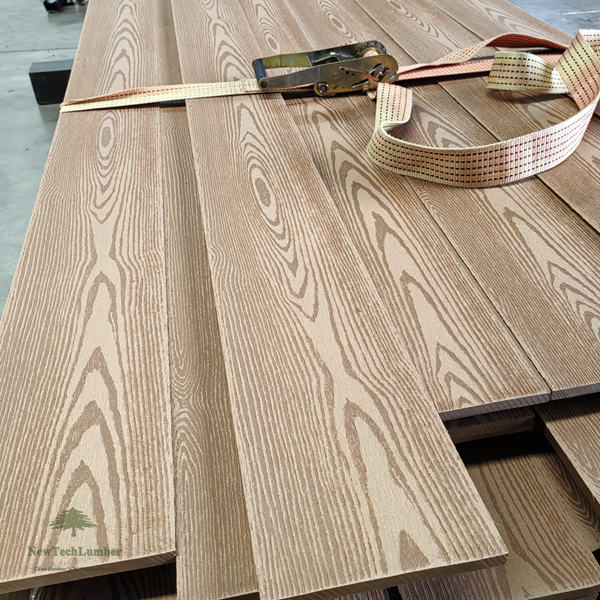
In addition to outdoor applications, WPC panels are increasingly used in indoor settings. They serve as excellent materials for wall cladding, ceilings, and even furniture. The versatility in design allows for a wide range of finishes and textures, enabling architects and designers to create visually appealing spaces without sacrificing performance. WPC panels can be easily cut, shaped, and installed, making them a favorite among contractors and DIY enthusiasts alike.
The commercial sector has also recognized the benefits of WPC panel sheets. Retail spaces, restaurants, and offices are incorporating WPC into their designs to create inviting environments that are both functional and stylish. For instance, WPC panels can be utilized in creating feature walls or decorative elements that enhance the overall ambiance of a space. The material’s ability to withstand heavy foot traffic and its resistance to scratches and dents make it an ideal choice for high-traffic areas.
Another significant benefit of WPC panels is their eco-friendliness. As sustainability becomes a priority for many industries, WPC offers a solution that aligns with environmental consciousness. The use of recycled materials in the production of WPC panels reduces waste and minimizes the carbon footprint associated with traditional wood sourcing. Furthermore, WPC panels are recyclable at the end of their life cycle, contributing to a circular economy approach.
In the furniture industry, WPC panel sheets are gaining traction as manufacturers seek innovative materials that meet consumer demands for style and sustainability. The versatility of WPC allows for the creation of various furniture pieces, from tables to cabinets, that stand the test of time. Designers are increasingly experimenting with WPC to achieve unique designs that appeal to modern aesthetics while ensuring durability.

The automotive sector is also exploring the use of WPC materials for interior components. With the growing demand for lightweight yet sturdy materials, WPC panels can be used in dashboards, door panels, and other interior elements. The ability to mold WPC into various shapes allows for creative design possibilities, enabling manufacturers to enhance the overall appearance and functionality of vehicles.
In terms of cost-effectiveness, WPC panel sheets offer a competitive edge over traditional materials. While the initial investment may be comparable, the long-term savings associated with reduced maintenance and replacement costs make WPC an attractive option. Businesses that prioritize budget constraints without compromising quality often find WPC to be a viable solution.
As technology advances, the manufacturing processes for WPC continue to evolve, leading to improved quality and performance. Innovations in formulations and production techniques are enhancing the physical properties of WPC panels, making them even more suitable for a wider range of applications. This ongoing development ensures that WPC will remain a relevant and reliable choice in the construction and design industries.
The versatility, durability, and eco-friendliness of WPC panel sheets position them as a leading material in various markets. Whether in construction, interior design, furniture manufacturing, or automotive applications, the reliability of WPC continues to pave the way for innovative solutions. As more industries recognize the benefits offered by WPC, its adoption is expected to grow, further solidifying its place in modern design and construction practices. The future of WPC panel sheets looks promising, with an increasing number of applications emerging as sustainability and performance remain at the forefront of industry trends.