
Elegant WPC Facade for Modern Architectural Designs
The modern architectural landscape is increasingly characterized by the integration of innovative materials that not only enhance aesthetic appeal but also provide functional benefits. One such material that has gained significant traction is Wood Plastic Composite (WPC). As the demand for sustainable and visually striking building materials rises, WPC facades have emerged as a preferred choice for architects and builders alike. This article explores the global production capacity of WPC materials and the pricing advantages that make them an attractive option for contemporary architectural designs.
WPC is a versatile composite material made from a blend of wood fibers and thermoplastics. This combination results in a product that retains the natural look and feel of wood while offering the durability and low maintenance characteristics of plastic. The global production of WPC has seen substantial growth in recent years, driven by increasing awareness of environmental sustainability and a shift towards eco-friendly building materials. Major manufacturing regions include North America, Europe, and Asia, with each area contributing to the overall supply chain in unique ways.
North America has long been a leader in WPC production, primarily due to its abundant wood resources and advanced manufacturing technologies. The United States and Canada have established a robust framework for producing high-quality WPC products, which has positioned them as key players in the global market. The North American market benefits from an established network of suppliers and distributors, ensuring efficient delivery and availability of WPC materials for construction projects.
In Europe, the demand for WPC facades has surged, fueled by stringent regulations regarding sustainability and waste management. European manufacturers are increasingly adopting innovative production processes that prioritize recyclability and minimal environmental impact. Countries such as Germany, Sweden, and Finland are at the forefront of WPC innovation, developing new formulations that enhance the performance and aesthetic qualities of WPC facades. The European market is characterized by a strong emphasis on design, with architects seeking out materials that not only perform well but also align with contemporary design trends.
Asia has also emerged as a significant player in the WPC market, particularly in countries like China and India. The rapid urbanization and growing middle-class population in these regions have created a substantial demand for high-quality building materials. Chinese manufacturers, in particular, have ramped up production capabilities to meet both domestic and international demand, often offering competitive pricing that appeals to budget-conscious buyers. As the Asian market continues to expand, the influence of local manufacturers on global pricing dynamics becomes increasingly pronounced.

One of the most compelling advantages of WPC facades lies in their cost-effectiveness compared to traditional materials. The pricing structure of WPC is influenced by several factors, including raw material availability, production processes, and market demand. As WPC production becomes more streamlined, economies of scale are realized, allowing manufacturers to offer competitive prices while maintaining high quality. Furthermore, the longevity and low maintenance requirements of WPC facades contribute to their overall cost efficiency. Unlike traditional wood, which may require regular staining, sealing, and repairs, WPC facades are designed to withstand the elements with minimal upkeep, resulting in lower lifecycle costs for property owners.
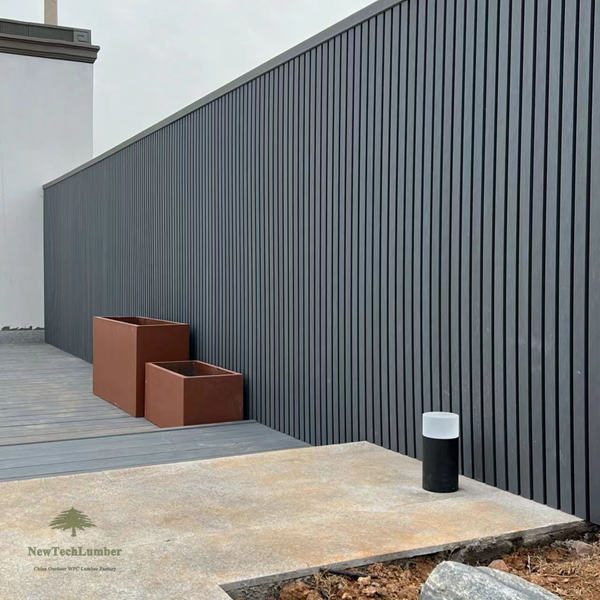
Additionally, the adaptability of WPC allows for a variety of design options, making it a versatile choice for modern architecture. WPC can be easily molded into different shapes and finishes, enabling architects to create innovative designs that push the boundaries of traditional building materials. This flexibility not only enhances the visual appeal of structures but also allows for greater creativity in architectural expression. As a result, WPC facades can complement a wide range of styles, from sleek and contemporary to rustic and traditional.
Environmental considerations also play a significant role in the growing popularity of WPC facades. With an increasing focus on sustainability in the construction industry, many builders are seeking materials that reduce their carbon footprint. WPC is often manufactured using recycled materials, and its production process typically consumes less energy than that of conventional building materials. This aligns with the global push towards greener building practices, making WPC an appealing choice for environmentally conscious consumers.
In addition to aesthetic and environmental benefits, WPC facades offer practical advantages such as resistance to moisture, pests, and rot. This durability makes WPC an excellent choice for both residential and commercial applications, where longevity and low maintenance are critical factors. As architects and builders continue to explore new ways to blend functionality with design, WPC is likely to remain a prominent material in modern architectural projects.
The combination of growing global production capacity and competitive pricing positions WPC facades as a leading choice for contemporary architectural designs. With their durability, low maintenance requirements, and aesthetic versatility, WPC materials are well-suited to meet the demands of modern construction. As the industry continues to evolve, the role of WPC in shaping the future of architecture is set to expand, offering exciting possibilities for innovative design and sustainable building practices.