
Sustainable Wood Plastic Composites for Eco-Friendly Projects
The increasing emphasis on sustainability within the construction and manufacturing sectors has led to the development of innovative materials that harmonize ecological responsibility with performance. Among these, wood plastic composites, or WPCs, have emerged as a significant advancement. These materials combine the natural beauty and workability of wood with the durability and versatility of plastics, creating a composite that offers numerous advantages for eco-friendly projects.
Wood plastic composites are produced by combining wood fiber or wood flour with thermoplastics, typically recycled materials such as polyethylene or polypropylene. This integration not only reduces waste but also minimizes the reliance on virgin plastic production, which is crucial in conserving fossil fuels and reducing greenhouse gas emissions. This sustainable approach to material production aligns perfectly with the principles of a circular economy, where waste is minimized, and resources are reused.
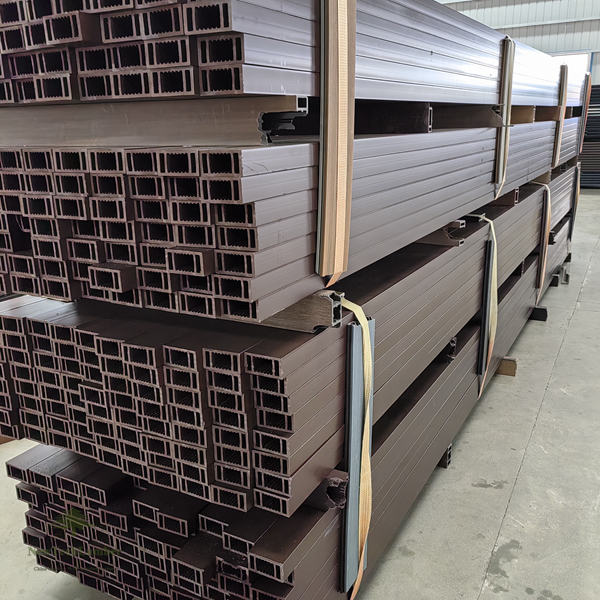
From a performance perspective, WPCs exhibit remarkable properties that make them suitable for a wide array of applications. One key advantage is their resistance to moisture and decay. Traditional wood materials are often prone to warping, splitting, and rotting when exposed to water. In contrast, wood plastic composites offer enhanced durability and longevity, making them ideal for outdoor applications such as decking, fencing, and landscaping. Their ability to withstand harsh weather conditions without significant degradation ensures that eco-friendly projects maintain their aesthetic appeal and structural integrity over time.
Additionally, WPCs are highly customizable in terms of appearance. They can be manufactured in various colors, textures, and finishes, allowing designers to achieve the desired aesthetic for their projects without sacrificing sustainability. The ability to mimic the look of natural wood while providing superior performance characteristics makes WPCs an attractive option for architects and builders seeking environmentally friendly materials.
Another significant benefit of using wood plastic composites is their low maintenance requirements. Unlike traditional wood, which often necessitates regular sealing, staining, or painting to preserve its appearance and protect it from the elements, WPCs typically require minimal upkeep. This not only reduces the time and labor involved in maintenance but also lessens the environmental impact associated with the use of chemical treatments and coatings.
Moreover, the manufacturing process of WPCs can be optimized to further enhance their sustainability. By using recycled wood fibers and plastics, manufacturers can create a product that not only reduces landfill waste but also lowers energy consumption during production. This eco-conscious approach can also lead to cost savings, making WPCs an economically viable option for eco-friendly construction projects.
In terms of mechanical properties, wood plastic composites boast impressive strength and stiffness, allowing them to perform well under various load conditions. This makes them suitable for structural applications, where the material must support weight and endure stress without failure. The combination of wood fibers and plastic contributes to a balanced performance, providing strength while also allowing for some flexibility, which can be advantageous in applications where impact resistance is important.
Furthermore, the acoustic properties of WPCs make them a suitable choice for projects that require sound absorption. The combination of materials can dampen sound transmission, making these composites ideal for use in urban environments or within buildings where noise control is a priority. This added benefit enhances the overall user experience in residential and commercial spaces alike.

Sustainability is not just a trend; it represents a fundamental shift in how materials are viewed and utilized within the construction and manufacturing industries. The adoption of wood plastic composites is a prime example of how innovative solutions can meet ecological goals while maintaining high performance standards. By incorporating WPCs into eco-friendly projects, architects and builders can significantly reduce their environmental footprint without compromising on quality or aesthetics.
Another aspect worth noting is the recyclability of wood plastic composites. While traditional wood materials often end up in landfills at the end of their life cycle, WPCs can be processed and recycled into new products. This closed-loop system further emphasizes the sustainability of these materials, as they contribute to a reduction in waste and promote a more responsible approach to consumption.
As global awareness of environmental issues continues to grow, the demand for sustainable building materials is likely to increase. Wood plastic composites represent a forward-thinking solution that aligns with the values of eco-conscious consumers and industries. By leveraging the benefits of WPCs, projects can not only achieve their sustainability goals but also showcase the potential for innovation in material science.
In the pursuit of an eco-friendly future, wood plastic composites stand out as a versatile, durable, and sustainable option for a wide range of applications. Their unique combination of natural and synthetic materials allows them to perform exceptionally well in various environments while minimizing their impact on the planet. The continued development and adoption of WPCs in construction and manufacturing highlight a promising path toward a more sustainable and responsible industry.