
Quality Wood plastic composite cladding for Modern Architectural Solutions
Quality wood plastic composite cladding has emerged as a popular choice in modern architectural solutions, providing a blend of aesthetic appeal and functional durability. This innovative material combines the natural beauty of wood with the resilience of synthetic materials, resulting in a product that not only looks great but also withstands the rigors of changing weather conditions and daily wear. Understanding the installation and maintenance aspects of wood plastic composite cladding is essential for architects, builders, and homeowners alike.
When it comes to installation, the first step is to ensure that the surface to which the cladding will be applied is clean, dry, and structurally sound. Preparation is vital, and any existing materials or debris should be removed. It is important to follow the manufacturer’s guidelines regarding the installation process, as each brand may have specific requirements. Generally, wood plastic composite cladding can be installed over a variety of substrates, including plywood, concrete, and metal.
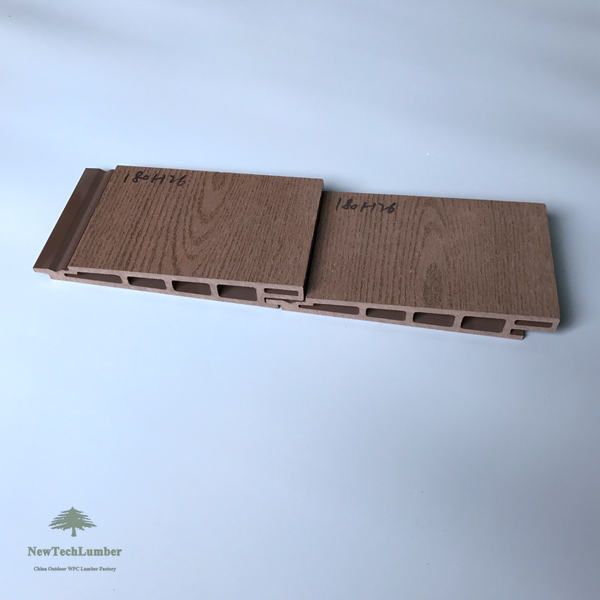
A proper framework is crucial for supporting the cladding. Installing a furring strip system can help create a level surface and promote proper drainage. This is particularly important in areas with heavy rainfall or snow, as it prevents moisture buildup behind the cladding. Spacing between the furring strips should be determined based on the manufacturer’s recommendations, typically ranging from 16 to 24 inches apart.
Once the framework is in place, the wood plastic composite boards can be cut to size using standard woodworking tools. It is advisable to wear protective eyewear and a dust mask during this process to ensure safety. The installation of the boards usually begins at the bottom of the wall, working upwards. This method allows for proper overlap and prevents water from seeping behind the cladding. Screws or hidden fasteners should be used as specified by the manufacturer to secure the boards in place. It is crucial to leave adequate spacing between the boards to allow for expansion and contraction due to temperature fluctuations.
In terms of maintenance, wood plastic composite cladding is known for its low upkeep requirements compared to traditional wood cladding. However, regular care can help maintain its appearance and extend its lifespan. One of the primary maintenance tasks involves cleaning the surface to remove dirt, grime, and stains. A gentle soap solution and a soft-bristle brush are usually sufficient for this purpose. It is important to avoid harsh chemicals or abrasive materials that could damage the surface.

While wood plastic composite is resistant to rot, mold, and insect damage, it is not entirely impervious to these issues. Regular inspections should be conducted to identify any signs of wear or damage. If issues are detected, prompt action should be taken to address them. For minor scratches or scuffs, light sanding may restore the surface’s appearance. In cases of more significant damage, replacement of individual boards may be necessary.
Another aspect of maintenance involves monitoring the color of the cladding. Many wood plastic composite materials are designed to maintain their color over time; however, some may fade due to prolonged exposure to sunlight. If color retention is a concern, choosing products with UV stabilizers can help mitigate this issue. Additionally, applying a protective sealant every few years can enhance color longevity and provide an extra layer of protection against the elements.
One of the advantages of wood plastic composite cladding is its eco-friendliness. Made from recycled wood fibers and plastic, it offers a sustainable alternative to traditional materials. When properly maintained, it can have a long lifespan, reducing the need for frequent replacements and minimizing waste. This aligns well with modern architectural solutions that prioritize sustainability and environmental responsibility.
In commercial applications, wood plastic composite cladding can be an excellent choice for creating striking facades that attract attention while ensuring durability. Its versatility allows for various design options, enabling architects to experiment with colors, textures, and patterns. This adaptability makes it suitable for a range of structures, from modern homes to commercial buildings.
In residential settings, homeowners appreciate the aesthetic appeal of wood plastic composite cladding. It can enhance curb appeal and increase property value while providing the benefits of reduced maintenance and long-term durability. With a wide selection of styles and finishes available, homeowners can achieve their desired look without compromising on performance.
Quality wood plastic composite cladding represents a significant advancement in building materials, combining the best aspects of both wood and plastic. Through proper installation and regular maintenance, this innovative material can offer lasting beauty and functionality in modern architectural designs. By understanding the installation requirements and maintenance practices, architects and builders can ensure that their projects not only meet aesthetic goals but also stand the test of time. Embracing wood plastic composite cladding can lead to successful architectural outcomes that resonate with contemporary values of sustainability, durability, and style.