
Explore Wood plastic composite Options for Durable and Attractive Designs
Wood plastic composites, commonly referred to as WPCs, represent a unique blend of natural wood fibers and synthetic plastic materials. This innovative composite material has gained significant popularity in various applications, particularly in construction, furniture, and outdoor decking. The versatility and aesthetic appeal of WPCs are matched by their impressive performance characteristics, making them an attractive option for architects, designers, and builders seeking durable and visually appealing solutions.
One of the primary advantages of wood plastic composites is their enhanced durability. Traditional wood products, while aesthetically pleasing, often suffer from a range of issues such as rot, warping, and insect infestation. These vulnerabilities can lead to costly repairs and replacements over time. In contrast, WPCs are engineered to resist these problems effectively. The plastic component provides a protective barrier against moisture, reducing the likelihood of mold and decay. Additionally, WPCs are less prone to splitting and cracking compared to natural wood, thereby extending their lifespan and reducing maintenance requirements.
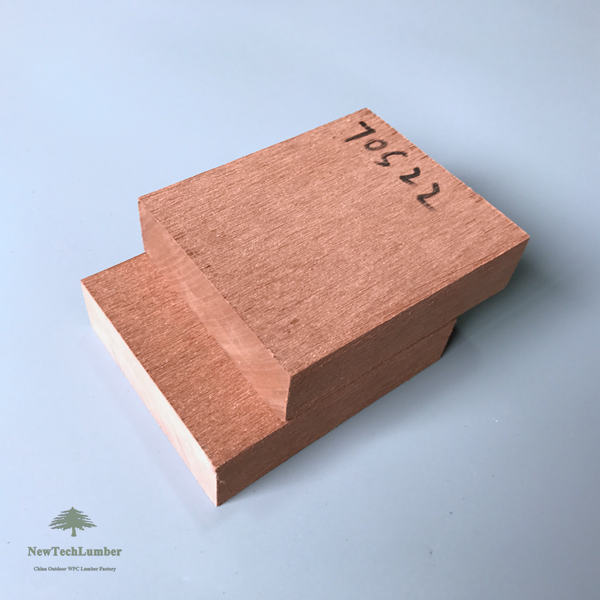
Another key aspect of WPCs is their environmental sustainability. The production of wood plastic composites typically involves the use of recycled materials, which helps reduce waste and promote a circular economy. By utilizing wood fibers that might otherwise go to waste, WPCs contribute to resource conservation. Furthermore, many manufacturers are committed to eco-friendly practices, ensuring that their products are free from harmful chemicals and toxins. This makes WPCs a responsible choice for environmentally conscious consumers and businesses.
From a design perspective, wood plastic composites offer remarkable versatility. They can be manufactured in a wide range of colors, textures, and finishes, allowing designers to create visually striking products that suit various styles and preferences. Whether one is looking for a contemporary look with sleek lines or a rustic appearance reminiscent of traditional wood, WPCs can be tailored to meet diverse aesthetic demands. This adaptability makes them an ideal choice for outdoor spaces, where they can mimic the appearance of natural wood while providing superior performance.
The texture of wood plastic composites can also be customized to enhance their visual appeal. Manufacturers can create surfaces that replicate the grain patterns of real wood, adding a touch of authenticity to the design. Furthermore, the ability to produce WPCs in different profiles and shapes opens up endless possibilities for creative applications. Whether for decking, fencing, or furniture, WPCs can be crafted to fit any design vision, transforming spaces with their attractive and functional attributes.
In addition to their aesthetic qualities, WPCs provide excellent slip resistance, making them a safe choice for outdoor installations. This feature is particularly important for areas prone to moisture, such as pool decks or patios. The textured surface of WPCs helps prevent slips and falls, ensuring safety without compromising style. This combination of practicality and visual appeal positions WPCs as a leading choice for outdoor living spaces.
Another significant performance characteristic of wood plastic composites is their minimal maintenance requirements. Unlike traditional wood, which often requires regular staining, sealing, or painting to maintain its appearance and structural integrity, WPCs are designed to withstand the elements with little upkeep. A simple wash with soap and water is usually sufficient to keep them looking new. This ease of maintenance not only saves time and labor but also translates to cost savings over the lifespan of the product.
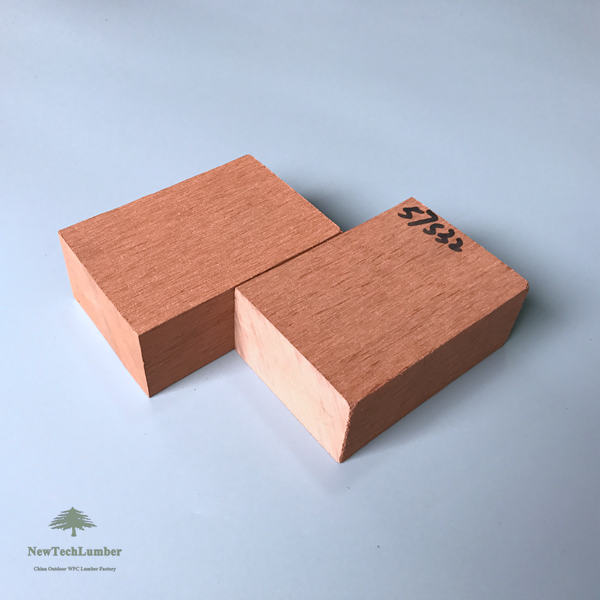
Moreover, wood plastic composites are highly resistant to fading, ensuring that their vibrant colors remain intact even after prolonged exposure to sunlight. This UV resistance is a crucial factor for outdoor applications, as it prevents the material from losing its luster and charm over time. As a result, WPCs can maintain their aesthetic appeal for years without the need for frequent replacements or refinishing.
WPCs are also lightweight compared to traditional wood, making them easier to handle and install. This characteristic can significantly reduce labor costs and installation time, making them a practical choice for contractors and builders. The ease of installation is particularly advantageous for DIY enthusiasts who wish to undertake home improvement projects without the need for professional assistance.
For those interested in using wood plastic composites in their designs, it is essential to consider the specific requirements of the project. Factors such as load-bearing capacities, environmental conditions, and aesthetic preferences should all be taken into account when selecting the appropriate WPC product. Collaborating with manufacturers who offer a range of options and customization possibilities can further enhance the design process, ensuring that the final product meets both functional and aesthetic goals.
In the quest for durable and attractive design solutions, wood plastic composites present a compelling option. Their combination of longevity, minimal maintenance, and aesthetic versatility makes them suitable for a wide array of applications. As innovation in this field continues to evolve, WPCs are likely to play an increasingly prominent role in modern design, appealing to both consumers and industry professionals alike.