
Discover the Advantages of Wood plastic composite decking for Your Home
Wood plastic composite decking has gained significant popularity in recent years as a sustainable and versatile building material for outdoor spaces. This innovative product combines the natural beauty of wood with the durability and low maintenance of plastic, making it an ideal choice for homeowners looking to enhance their outdoor living areas. The production process of wood plastic composites, or WPCs, plays a crucial role in determining their quality, performance, and advantages. Understanding this process can help homeowners appreciate the benefits of choosing WPC decking for their properties.
The production of wood plastic composite decking typically begins with the selection of raw materials. The principal components of WPCs are wood fibers and plastic. The wood fibers can be sourced from various types of wood, including recycled wood products, sawdust, and wood shavings. This use of recycled materials not only contributes to sustainability but also reduces the demand for virgin timber, which can help to conserve forests. On the other hand, the plastic component often consists of recycled polyethylene, polypropylene, or polyvinyl chloride. By incorporating these recycled plastics, WPC production further promotes environmental responsibility.
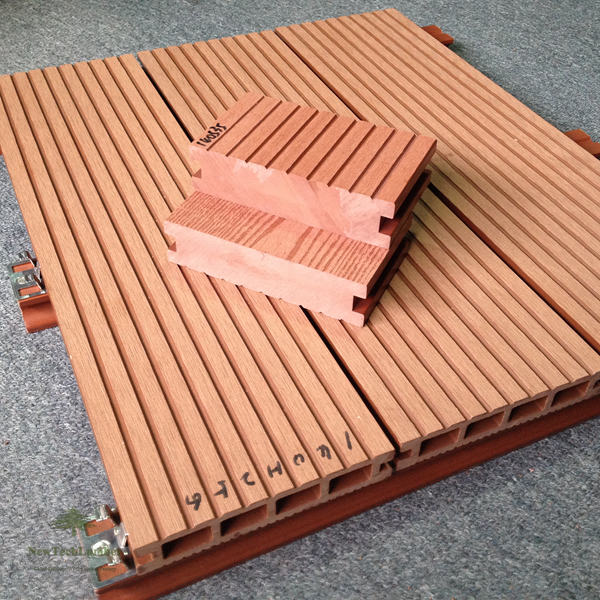
Once the raw materials are selected, they undergo a process called compounding. During this phase, the wood fibers and plastic are mixed together in a specific ratio, typically ranging from 50 to 70 percent wood fibers to 30 to 50 percent plastic. This ratio can be adjusted based on the desired properties of the final product. The mixture is then subjected to heat and pressure, which helps to melt the plastic and evenly distribute it around the wood fibers. This step is critical as it enhances the bonding between the wood and plastic, resulting in a composite material that exhibits improved strength and durability.
Following compounding, the WPC mixture is extruded into the desired shape, which is usually in the form of boards or planks for decking applications. The extrusion process involves forcing the heated mixture through a die, which shapes the material into profiles that are typically used for decking. This method allows for a wide variety of designs and finishes, enabling homeowners to choose products that match their aesthetic preferences. Additionally, the extrusion process can incorporate various additives such as UV stabilizers, colorants, and anti-fungal agents to enhance the performance and appearance of the decking.
After extrusion, the boards undergo cooling and cutting to ensure they meet specified dimensions. The cooling process is essential as it solidifies the material and locks in its shape. Once cooled, the boards can be further processed through sanding or surface treatment to achieve a smooth finish and improve slip resistance. This finishing step is vital for outdoor applications where safety and aesthetics are paramount.
One of the standout advantages of wood plastic composite decking lies in its durability. The combination of wood fibers and plastic results in a material that is resistant to rot, mold, and insect damage, making it ideal for outdoor use. Unlike traditional wood decking, which often requires regular maintenance and treatment to prevent decay, WPC decking can withstand the elements without significant deterioration. This durability translates to a longer lifespan, reducing the need for frequent replacements and ultimately saving homeowners money in the long run.
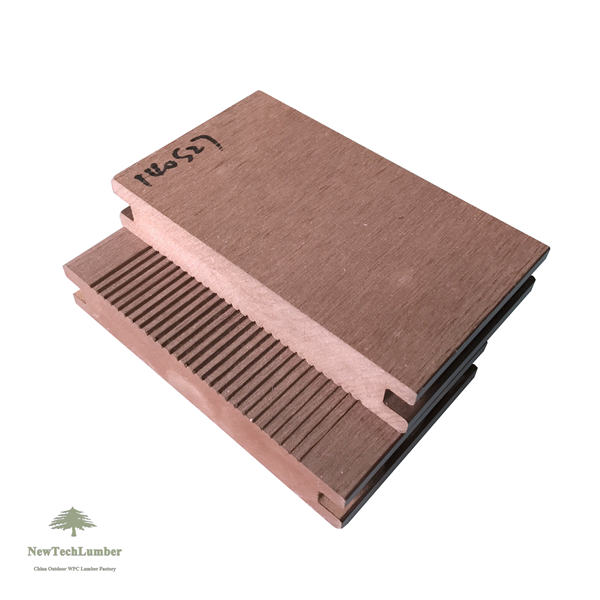
Another significant benefit of WPC decking is its low maintenance requirements. Traditional wood decking often necessitates periodic staining, sealing, and cleaning to maintain its appearance and structural integrity. In contrast, wood plastic composite decking typically requires only occasional cleaning with soap and water to keep it looking its best. This ease of maintenance allows homeowners to enjoy their outdoor spaces without the burden of constant upkeep.
Additionally, WPC decking is designed to provide a slip-resistant surface, making it a safer choice for families and pets. This feature is particularly important in damp or rainy conditions when traditional wooden decks can become slippery. The manufacturing process allows for the incorporation of textured surfaces that enhance traction, providing peace of mind for homeowners.
Sustainability is another compelling reason to choose wood plastic composite decking. By utilizing recycled materials in its production, WPC decking contributes to reducing waste and promoting a circular economy. Homeowners who prioritize eco-friendly building materials will find that WPCs align with their values while also offering a beautiful and functional outdoor solution.
In terms of aesthetics, wood plastic composite decking is available in a wide range of colors and finishes, closely resembling natural wood. This versatility means that homeowners can achieve the desired look for their outdoor spaces without compromising on durability or maintenance. The variety of options allows for creative design possibilities, enabling unique outdoor environments tailored to individual tastes.
Choosing wood plastic composite decking provides numerous advantages from its sustainable production process to its long-lasting performance and low maintenance needs. Homeowners can enjoy a beautiful, safe, and environmentally friendly outdoor space that enhances their property and lifestyle. With a growing array of styles and colors, WPC decking allows for creativity in outdoor design, making it a wise investment for any home.