
Pros and Cons of WPC Flooring for Informed Decisions
When considering flooring options for residential or commercial spaces, one material that has gained significant popularity is Wood Plastic Composite (WPC) flooring. WPC flooring is engineered from a combination of wood fibers and plastic polymers, resulting in a product that mimics the appearance of natural wood while providing additional benefits. However, like any flooring material, it has its pros and cons, particularly regarding installation and maintenance. This article aims to provide a balanced view of WPC flooring to assist in making informed decisions.
One of the primary advantages of WPC flooring is its ease of installation. Many WPC flooring products are designed with a click-lock installation system, allowing for a straightforward, DIY-friendly process. This feature can save both time and labor costs, as homeowners or contractors can install the flooring without the need for specialized tools or adhesive. Furthermore, WPC flooring can often be installed over various existing floor types, including concrete and tile, as long as the surface is adequately prepared. This versatility means that homeowners can upgrade their flooring without the hassle of removing the old material.
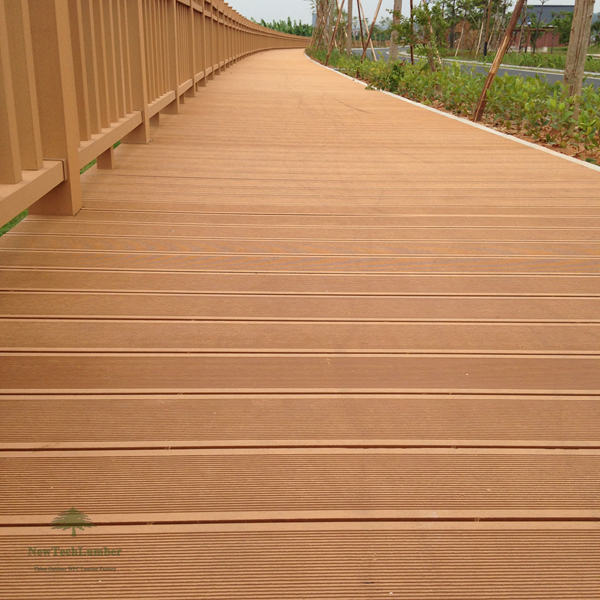
In addition to its ease of installation, WPC flooring is also known for its resilience. It is highly resistant to moisture, making it an excellent choice for areas prone to spills or humidity, such as kitchens and bathrooms. This water resistance prevents warping and swelling, common issues with traditional hardwood flooring. Additionally, WPC flooring is durable against scratches and dents, making it suitable for high-traffic areas and homes with pets. The longevity of WPC flooring means that it can be a cost-effective investment in the long run.
Another significant benefit of WPC flooring is its low maintenance requirements. Unlike hardwood floors that need regular refinishing and specific cleaning products, WPC flooring can typically be maintained with simple sweeping and occasional mopping. This ease of care appeals to busy homeowners or property managers who want attractive flooring without committing to extensive upkeep. Furthermore, WPC flooring often comes with protective coatings that enhance its durability and resistance to stains, further reducing the need for frequent maintenance.
Despite these advantages, there are also several drawbacks to consider when evaluating WPC flooring. One significant concern is the potential for fading or discoloration over time. While many manufacturers claim that their products are UV-resistant, prolonged exposure to sunlight can still lead to noticeable changes in color. This fading can be particularly concerning in areas with large windows or direct sunlight, where the flooring may require replacement sooner than expected.
Another consideration is the initial cost. While WPC flooring can be less expensive to install than hardwood options, the upfront cost can still be higher than alternative materials such as laminate or vinyl. For budget-conscious consumers, this may pose a significant barrier. It is crucial to analyze the long-term value against the initial investment when considering WPC flooring.
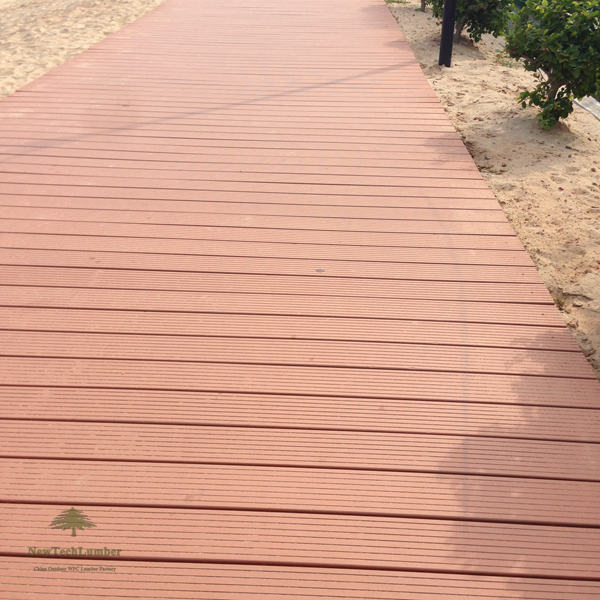
WPC flooring is also not entirely eco-friendly. While it is made from recycled materials, the plastic component raises concerns regarding sustainability and environmental impact. Many consumers are becoming increasingly conscious of their choices, prompting a search for flooring materials that are not only durable but also environmentally responsible. For those prioritizing eco-friendliness, it may be necessary to explore other options.
In terms of comfort, WPC flooring may not offer the same warmth and feel underfoot as traditional hardwood or other natural materials. Although it does provide some insulation and cushioning, the overall sensation can differ, leading some homeowners to prefer the tactile experience of real wood. This aspect may affect the decision for individuals who value aesthetic and comfort equally.
Furthermore, while WPC flooring is designed to be a low-maintenance option, improper installation can lead to complications. If not installed correctly, issues such as buckling or gaps may arise, necessitating costly repairs or replacements. It is essential to follow manufacturer guidelines closely or hire experienced professionals to ensure proper installation.
When weighing the pros and cons of WPC flooring, it becomes evident that this material offers a unique blend of advantages and challenges. The ease of installation, moisture resistance, and low maintenance are compelling factors for many homeowners. However, considerations regarding cost, fading, environmental impact, and comfort should also play a crucial role in the decision-making process.
Ultimately, selecting the right flooring material is a significant decision that impacts the aesthetics, functionality, and value of a space. By carefully evaluating the benefits and drawbacks of WPC flooring in the context of installation and maintenance, individuals can make informed choices that align with their needs and preferences. As with any home improvement project, thorough research and consideration will lead to more satisfying results in the long run.