
Understanding WPC Flooring Cost for Your Budget Planning
When planning a budget for flooring, one of the options that has gained significant popularity is wood-plastic composite (WPC) flooring. This innovative material combines the natural aesthetic appeal of wood with the durability and resilience of plastic, making it an attractive choice for many homeowners. Understanding the cost of WPC flooring involves delving into various factors that influence pricing, including material performance, installation expenses, and long-term maintenance considerations.
WPC flooring is primarily composed of a mixture of wood fibers and plastic polymers. This unique composition endows WPC with several advantageous material properties. One of the most significant advantages is its resistance to moisture. Unlike traditional hardwood flooring, WPC is less prone to warping, swelling, or cracking due to changes in humidity or temperature. This characteristic makes it an ideal flooring choice for areas that are exposed to moisture, such as kitchens, bathrooms, and basements. Because of this enhanced moisture resistance, WPC can potentially reduce the need for costly repairs or replacements over time, which is an important aspect to consider when evaluating overall costs.
Furthermore, WPC flooring offers remarkable durability. The plastic component provides a robust barrier against scratches, dents, and stains, making it suitable for high-traffic areas. This durability is particularly beneficial for households with pets or young children, where the likelihood of wear and tear is heightened. The longevity of WPC flooring translates to lower replacement costs in the long run, which can be a significant factor in budget planning.
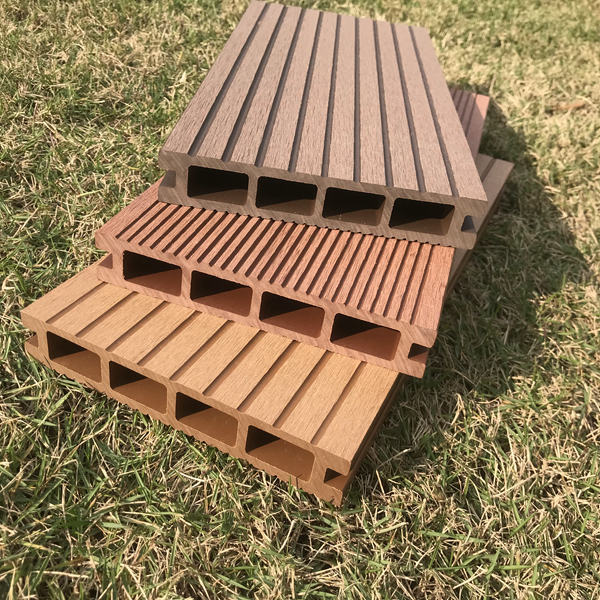
Another aspect of material performance to consider is the ease of maintenance associated with WPC flooring. Compared to traditional hardwood, which often requires periodic refinishing or specialized cleaning products, WPC can typically be cleaned with regular sweeping and mopping. This ease of maintenance can save homeowners both time and money, as they will not need to invest in expensive cleaning supplies or professional services. As maintenance requirements can impact the overall cost of flooring, this is a key consideration when choosing WPC.
The initial cost of WPC flooring can vary widely based on several factors, including the brand, quality, and design of the product. Higher-quality WPC flooring often features better construction, more realistic wood aesthetics, and enhanced performance characteristics. While these premium options may come with a higher price tag, they can offer better long-term value due to their durability and lower maintenance needs. It is essential for homeowners to assess their specific needs and preferences when selecting WPC flooring, as investing in quality can lead to significant savings over time.
Installation costs are another critical component of the overall expense associated with WPC flooring. While some products come with click-lock systems that allow for easy DIY installation, others may require professional installation. Hiring a professional installer can add to the initial cost but may ensure a more precise and efficient installation process. Homeowners should weigh the value of professional installation against their own skill level and the complexity of the flooring design they choose.
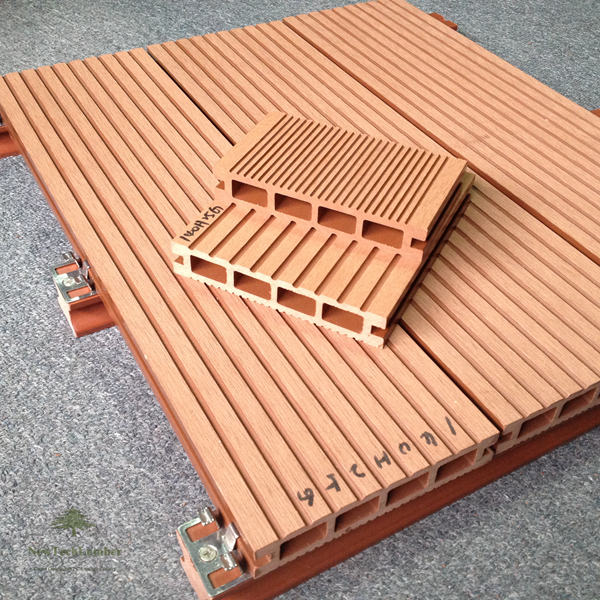
Additionally, the geographical location can influence the cost of WPC flooring. Prices may vary from region to region based on local market conditions, availability, and installation labor rates. It is advisable for homeowners to research local suppliers and installers to gain a better understanding of the costs associated with their specific area. This research can help ensure that the budget aligns with both the material and installation expenses.
Another factor affecting WPC flooring costs is the design and finish options available. WPC flooring comes in a wide range of colors, textures, and styles, allowing homeowners to customize their flooring to match their interior design preferences. While some designs may be more affordable, unique or custom finishes can drive up the price. Therefore, homeowners should consider how much they are willing to invest in aesthetic appeal versus functionality when selecting their WPC flooring.
In terms of long-term budgeting, it is vital to factor in potential future costs. While WPC flooring is known for its durability and low maintenance, eventual wear and tear may necessitate repairs or replacements. Understanding the warranty offered by manufacturers can provide insight into the expected lifespan of the flooring and any coverage for defects or issues that may arise. This information can play a crucial role in financial planning for future flooring needs.
Ultimately, when assessing the cost of WPC flooring for budget planning, it is essential to consider not only the initial purchase price but also the long-term benefits associated with material performance, maintenance needs, and installation options. By carefully evaluating these factors, homeowners can make informed decisions that align with their financial goals while enjoying the many advantages that WPC flooring has to offer. The blend of aesthetic appeal, durability, and practicality makes WPC flooring a compelling choice for modern living spaces. Investing in this innovative flooring solution can lead to a satisfying and cost-effective enhancement of any home.