
WPC Panel Size Guide for Your Construction Projects
Wood Plastic Composite (WPC) panels have emerged as a popular choice in the construction industry due to their unique combination of wood and plastic materials. These panels are not only environmentally friendly but also offer durability and versatility for various applications. Understanding the appropriate sizes of WPC panels is crucial for optimizing their use in construction projects. This article will provide a comprehensive guide on WPC panel sizes, their production processes, and considerations for selecting the right size for your project.
WPC panels are typically made from a blend of wood fibers or flour and thermoplastic materials, such as polyethylene or polypropylene. The production process involves several key steps, which can influence the final dimensions of the panels. Initially, the raw materials are mixed to create a homogeneous compound. This mixture is then subjected to high temperatures and pressures through extrusion or molding techniques, ensuring that the wood and plastic components bond effectively.
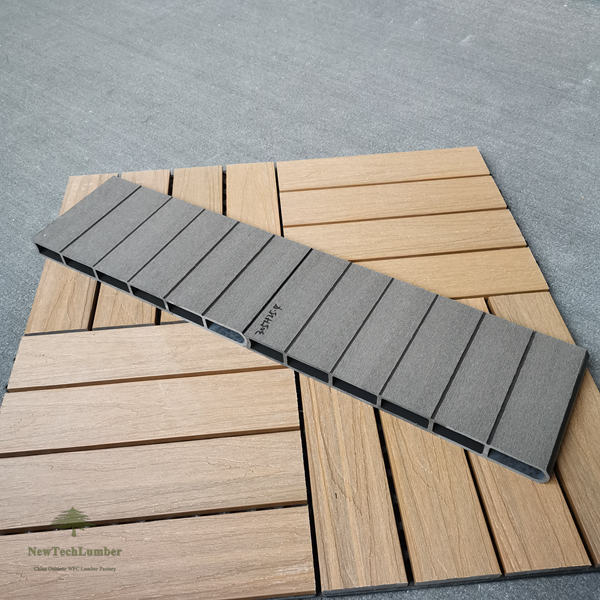
The extrusion process is the most common method used for producing WPC panels. In this process, the blended materials are fed into an extruder, where they are melted and shaped into continuous sheets or profiles. The extruder’s settings, including temperature, pressure, and screw speed, play a vital role in determining the density and dimensions of the finished product. Following extrusion, the panels are cooled and cut to the desired lengths, which can vary according to project needs.
Molding, on the other hand, is suitable for creating WPC panels with intricate designs or specific thicknesses. This process involves placing the material mixture into a mold and applying heat and pressure. The mold determines the final shape and size of the panel, allowing for customization in terms of thickness and texture. Molding can produce panels with various surface finishes, enhancing their aesthetic appeal for residential and commercial applications.
When selecting the size of WPC panels for construction projects, several factors should be taken into account. First, it is essential to consider the intended application. For instance, panels used for decking may require different dimensions compared to those used for wall cladding. Common sizes for WPC panels include 4 feet by 8 feet sheets, which are versatile and can be easily cut down to meet specific requirements. However, custom sizes are also available, providing flexibility for unique project specifications.
Another significant consideration is the thickness of the panels. WPC panels are available in various thicknesses, typically ranging from 1/4 inch to 1 inch. Thicker panels generally provide greater strength and durability, making them suitable for load-bearing applications. Conversely, thinner panels may be more appropriate for decorative purposes or areas with lower structural demands. It is crucial to assess the load requirements and environmental conditions of the installation site when determining the appropriate thickness.
Additionally, the width of the WPC panels can affect installation efficiency and overall aesthetics. Wider panels can reduce the number of seams and joints, leading to a cleaner appearance and easier installation. However, they may also require more substantial support structures due to their increased weight. Conversely, narrower panels may be easier to handle but can result in more seams, which could impact the visual appeal of the finished project.

The production process of WPC panels also impacts their performance characteristics, including moisture resistance, UV stability, and overall longevity. These properties can vary based on the ratio of wood to plastic in the composite, as well as the additives used during production. It is essential to choose WPC panels that are specifically engineered for the environmental conditions they will face, such as exposure to sunlight or moisture.
Moreover, advancements in manufacturing technology have led to the development of WPC panels with enhanced properties, such as improved fire resistance and greater impact resistance. These innovations can influence the choice of panel size and thickness, as well as the overall design of the construction project.
In terms of sustainability, WPC panels are considered an eco-friendly alternative to traditional materials. By utilizing recycled plastics and wood by-products, the production of WPC panels helps reduce waste and conserve natural resources. This aspect can also play a role in size selection, as larger panels reduce the amount of material needed for a project, further minimizing environmental impact.
Ultimately, careful consideration of WPC panel sizes is essential for ensuring successful construction outcomes. By understanding the production processes and performance characteristics of these materials, builders and architects can make informed decisions that align with their project goals. Whether opting for standard dimensions or customized sizes, WPC panels offer a versatile solution for a wide range of construction applications, blending functionality with aesthetic appeal while promoting sustainability in the building industry.