
Innovative WPC Wall Panels Designs for Every Style
Wood Plastic Composites, commonly known as WPC, have emerged as a revolutionary material in the construction and interior design industries. Renowned for their durability, aesthetic appeal, and environmental benefits, WPC wall panels have become a popular choice for homeowners and designers alike. The production process of WPC wall panels is crucial in determining their quality, style, and functionality. This article delves into the innovative designs of WPC wall panels, highlighting their versatility across various styles and the intricate production techniques that make them a preferred choice.
WPC wall panels are made through a unique manufacturing process that combines wood fibers with thermoplastics, typically polyethylene or polypropylene. The first step in the production process involves selecting high-quality wood flour, which is derived from recycled wood or sawdust. This choice of raw material not only contributes to the sustainability of the product but also ensures that it retains the natural look and feel of wood. The wood fibers are then mixed with plastic materials and various additives to enhance properties such as UV resistance, color stability, and fire retardancy.
Once the materials are prepared, they undergo a process called extrusion. During extrusion, the mixture is heated and forced through a die to create continuous sheets or profiles of WPC. This step is critical as it allows for the uniform distribution of materials, ensuring that the final product has consistent strength and appearance. The extruded panels can then be cut to specific lengths and widths based on design requirements.
One of the most significant advantages of WPC wall panels lies in their ability to mimic the appearance of natural wood while offering greater durability and resistance to moisture and insects. This characteristic opens the door to a multitude of design possibilities. For traditional and rustic aesthetics, WPC panels can be designed to resemble reclaimed barn wood, complete with textured finishes and rich, earthy tones. Such designs are perfect for creating cozy interiors or charming exteriors that evoke a sense of warmth and nostalgia.
For modern and contemporary styles, WPC wall panels can be produced in sleek, minimalist designs. These panels often feature clean lines and smooth finishes, available in an array of colors, from neutral whites and grays to bold blacks and vibrant hues. The versatility of WPC allows designers to create striking accent walls or innovative room dividers that enhance the overall aesthetic of a space while providing functional benefits such as sound insulation and enhanced privacy.
Another innovative design aspect of WPC wall panels is their adaptability to various architectural styles. For coastal homes or properties situated near water bodies, WPC panels can be designed to withstand harsh weather conditions while maintaining a stylish appearance. These panels can incorporate features such as textured surfaces that mimic the look of driftwood or beach stones, seamlessly blending the structure with its natural surroundings.
In addition to aesthetic versatility, WPC wall panels are also highly customizable. Manufacturers can offer a range of finishes, colors, and textures, allowing homeowners to select options that best suit their personal style. Advanced printing technologies enable the replication of intricate designs and patterns, further expanding the creative possibilities. Whether a homeowner desires a bold geometric pattern or a subtle wood grain effect, WPC wall panels can be tailored to meet those preferences.
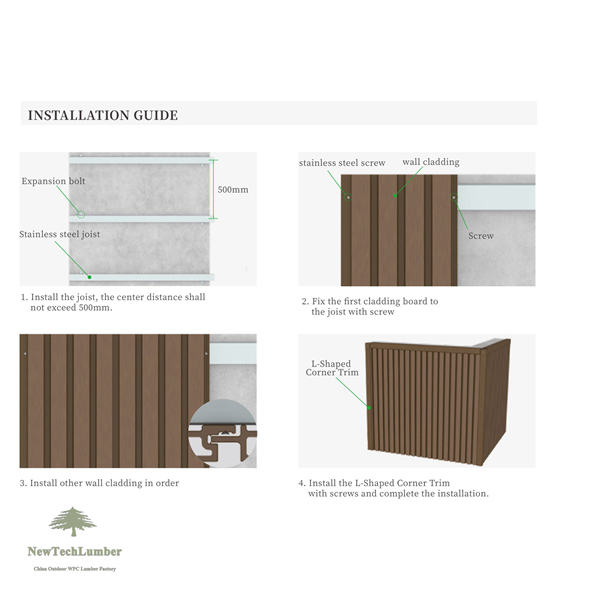
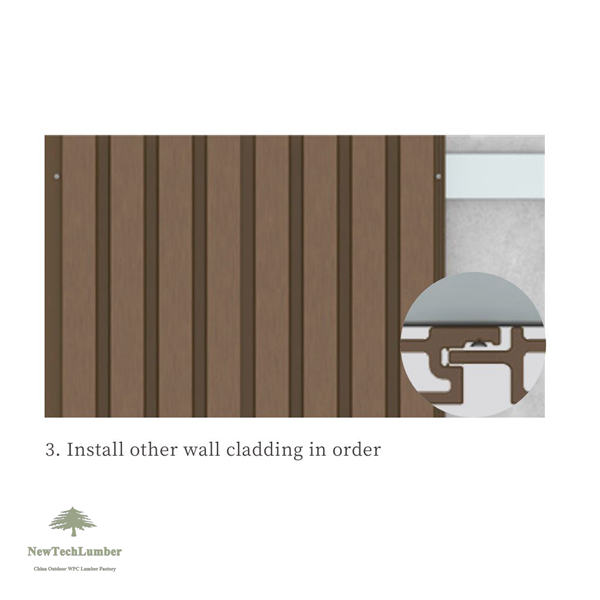
Furthermore, the ease of installation associated with WPC wall panels enhances their appeal. Unlike traditional wood panels that may require special tools and skills for installation, WPC panels are often designed with interlocking systems or tongue-and-groove mechanisms. This user-friendly approach not only saves time but also reduces labor costs, making WPC wall panels an attractive option for DIY enthusiasts and contractors alike.
Sustainability is a crucial consideration in modern construction and design, and WPC wall panels excel in this area. As they are made from recycled materials, their production contributes to reducing waste and promoting responsible resource management. Additionally, WPC panels do not require harmful chemical treatments that are often necessary for traditional wood products, making them a safer choice for indoor environments.
The rise of smart home technology has also influenced the design of WPC wall panels. Manufacturers are now exploring the integration of smart features, such as embedded lighting or temperature control elements, into the panels themselves. This innovation not only enhances the functionality of the wall panels but also provides homeowners with the ability to create dynamic living spaces that adapt to their needs.
As the demand for versatile, sustainable, and aesthetically pleasing materials continues to grow, WPC wall panels stand at the forefront of innovation in interior design and architecture. Their unique production process and adaptability to various styles make them an excellent choice for both residential and commercial applications. Whether one is looking to achieve a rustic charm or a sleek modern aesthetic, WPC wall panels offer innovative solutions that cater to every design desire while promoting sustainability and functionality.