
Easy WPC Deck Installation for DIY Enthusiasts
Wood-plastic composite, commonly known as WPC, has become a popular choice for decking projects among DIY enthusiasts. This material combines the best features of wood and plastic, providing a durable, low-maintenance solution that can withstand the elements. Installing a WPC deck can be a fulfilling project that enhances your outdoor space and adds value to your home. This guide will walk you through the installation process and highlight some essential maintenance tips to ensure your deck remains in excellent condition for years to come.
Before beginning the installation, it is crucial to gather all necessary tools and materials. Some essential items include a circular saw, measuring tape, level, drill, screws specifically designed for WPC, and safety gear. It is also important to select the right type of WPC decking boards. They come in various colors and textures, allowing you to customize your deck according to your preferences. When purchasing WPC boards, consider the local climate and the intended use of the deck to ensure you select a product that meets your needs.
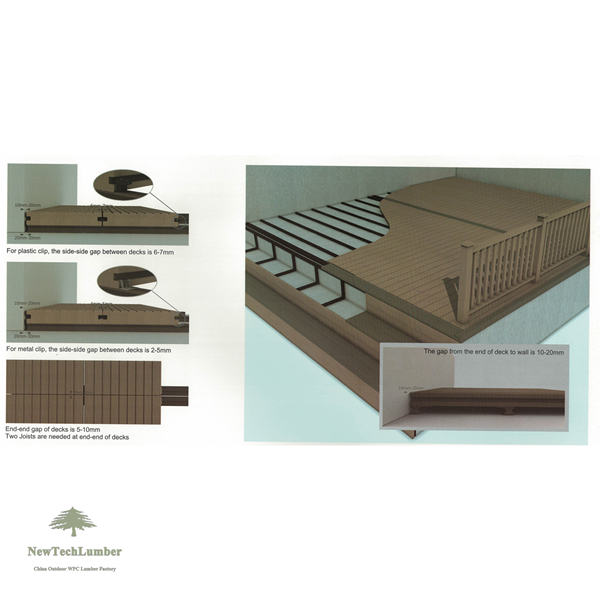
Once you have gathered your materials, the first step is to prepare the site. Choose a location that is level and free of debris. Clear the area of any grass, rocks, or old decking material. You may also want to lay down a weed barrier fabric to prevent unwanted vegetation from growing underneath the deck. After clearing the area, you should mark out your deck’s dimensions using stakes and string. This will provide a clear outline for the foundation.
The foundation is critical for any deck installation. For WPC decking, a sturdy frame is essential to support the weight of the boards. Typically, a wooden frame made of pressure-treated lumber is used. Make sure to space the joists according to the manufacturer’s guidelines, usually around 16 inches apart. This spacing offers optimal support for the WPC boards while ensuring proper drainage. Use a level to ensure that the frame is even, as any unevenness can lead to problems down the line.
With the frame in place, you can now start installing the WPC boards. Begin at one end of the deck, laying the first board perpendicular to the joists. Secure it in place using screws specifically designed for WPC. These screws often have special heads that prevent the boards from splitting. It is advisable to pre-drill the holes to avoid damaging the boards during installation. Continue laying the boards, ensuring that you leave a small gap between each board for expansion and contraction due to temperature changes.
As you work, it is essential to periodically check that the boards are level and aligned. This step will help avoid any mishaps that could lead to an uneven deck surface. If you encounter any issues, such as boards that are not lining up properly, adjusting them now will save you time and effort later. Once you reach the end of the deck, you may need to cut the last board to fit. A circular saw will provide a clean cut, ensuring that the board fits snugly against the edge of the deck.

After all the boards are installed, you can focus on the finishing touches. Consider adding railing or skirting to enhance the appearance and safety of your deck. Many manufacturers offer matching railing systems made from the same WPC material, ensuring a cohesive look. Additionally, you may want to install lighting fixtures to enhance the ambiance of your outdoor space, especially if you plan to use the deck during the evening.
Maintenance of your WPC deck is relatively straightforward, which is one of its main advantages. To keep the deck looking great, regular cleaning is essential. Simply use a broom or a leaf blower to remove debris, and wash the surface periodically with soap and water. For tougher stains, a gentle scrub with a soft-bristle brush and a diluted cleaning solution should suffice. Avoid using harsh chemicals or power washers, as these can damage the surface of the WPC.
Inspect your deck regularly for signs of wear or damage. While WPC is designed to resist rot and insects, it is still wise to keep an eye out for any loose boards or screws that may need tightening. Addressing these issues promptly will prevent more significant problems from developing. Additionally, consider applying a protective sealant every couple of years to enhance the deck’s longevity and maintain its appearance.
Installing a WPC deck can be a rewarding project that provides both aesthetic and functional benefits. By following the proper installation techniques and adhering to maintenance guidelines, you can create a beautiful outdoor space that will last for many years. Embrace the opportunity to enhance your home while enjoying the satisfaction that comes from completing a DIY project. With careful planning and attention to detail, your WPC deck can become a cherished part of your outdoor living experience.