
Understanding WPC Panel Cost for Your Budget Planning
When it comes to planning a budget for construction or renovation projects, understanding the costs associated with materials is crucial. One material that has gained significant popularity in recent years is Wood Plastic Composite (WPC) panels. These panels have become an attractive choice for various applications, including decking, fencing, and interior finishes. However, the cost of WPC panels can vary widely based on several factors, including global production capacity and regional price advantages.
To comprehend the cost structure of WPC panels, it is essential to first consider the global distribution of production capacity. WPC panels are manufactured in various countries, with significant production facilities located in regions such as North America, Europe, and Asia. Each region has its unique advantages and challenges that impact the overall cost of production.

In North America, the WPC industry has seen substantial growth due to the increasing demand for sustainable building materials. As more consumers and builders seek eco-friendly options, manufacturers are ramping up production to meet this demand. However, the cost of raw materials, such as wood fibers and plastic, can be higher in this region compared to others. This can lead to elevated prices for WPC panels produced in North America, particularly when factoring in labor costs and regulatory requirements.
Europe presents another dynamic landscape for WPC panel production. The region has made significant strides in promoting sustainable construction practices, which has led to increased investments in WPC manufacturing. European manufacturers often focus on high-quality products, which can command a premium price in the market. Additionally, strict environmental regulations may also contribute to higher production costs. However, consumers in Europe are often willing to pay more for products that align with their sustainability values.
Asia, particularly countries like China and India, has emerged as a powerhouse in WPC panel production. These countries benefit from lower labor costs and access to abundant raw materials, making them key players in the global market. Consequently, WPC panels produced in Asia often have a price advantage, allowing manufacturers to offer competitive pricing. However, consumers should be cautious when considering low-cost options, as quality can vary significantly among manufacturers. It is essential to ensure that the products meet safety and performance standards before making a purchase.
Shipping costs also play a significant role in the final price of WPC panels. When sourcing panels from overseas manufacturers, transportation expenses can significantly affect the overall budget. Import tariffs and taxes may further inflate costs, making it vital for buyers to consider these factors when planning their budgets. Local sourcing may mitigate some of these costs and promote faster delivery times, making it an appealing option for many projects.
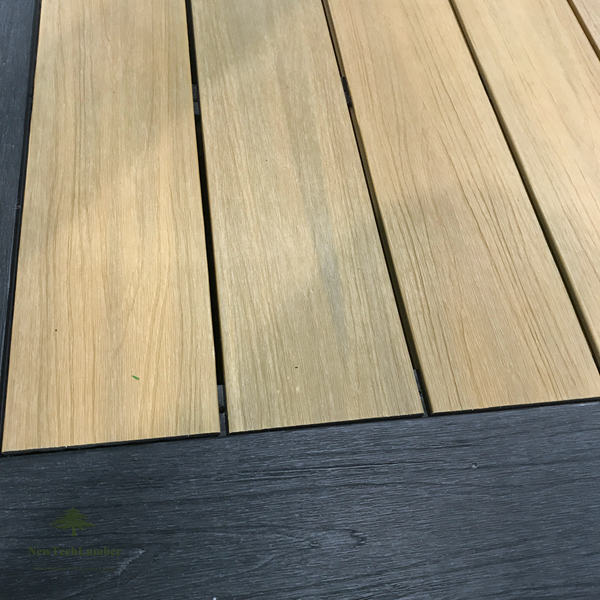
In addition to production location, the type of WPC panel can influence pricing. There are various formulations of WPC, with differences in the ratio of wood to plastic and the types of additives used. Higher-quality panels, which may incorporate advanced technologies for improved durability and aesthetics, typically come at a higher price point. Buyers must weigh the long-term benefits of investing in higher-quality materials against their immediate budget constraints.
Market demand also plays a crucial role in determining the price of WPC panels. As the construction industry continues to rebound post-pandemic, the demand for building materials, including WPC panels, has surged. This increase in demand can lead to price fluctuations, with costs rising as supply struggles to keep pace. Buyers should stay informed about market trends to anticipate potential price changes and make informed purchasing decisions.
Another important consideration is the lifecycle cost of WPC panels. While the initial purchase price is a significant factor in budget planning, it is essential to consider long-term maintenance and replacement costs. WPC panels are known for their durability and low maintenance requirements compared to traditional wood products. Investing in higher-quality WPC panels may yield cost savings over time, reducing the need for frequent replacements or repairs.
Finally, it is essential to engage with suppliers and manufacturers to gain insights into pricing structures and available options. Building relationships with reputable suppliers can lead to better pricing agreements and access to high-quality products. Suppliers often have valuable knowledge of the market and can offer guidance on the best choices to fit specific project requirements and budgets.
Ultimately, understanding the cost of WPC panels involves a multifaceted approach that considers global production capacity, regional pricing dynamics, material quality, and market trends. By carefully evaluating these factors, buyers can make informed decisions that align with their budgetary constraints while still achieving their project goals. With the right planning and research, investing in WPC panels can lead to a cost-effective and sustainable solution for various construction applications.