
Explore Different Quality Levels of Composite Decking for Your Needs
When considering the installation of composite decking for your outdoor space, it is essential to explore the various quality levels available in the market. Composite decking is made from a blend of wood fibers and plastic, which offers a range of benefits over traditional wood decking, including durability, low maintenance, and resistance to rot and insects. However, not all composite decking products are created equal. Understanding the different quality levels can help you make an informed decision that meets your needs.
The first aspect to consider is the material composition of the composite decking. Higher quality composite boards typically contain a higher percentage of wood fibers, which can provide a more natural look and feel. These boards tend to have better structural integrity and can withstand the test of time. In contrast, lower-end composite decking may have a higher plastic content, which can make it less durable and more prone to fading, scratching, and warping. When selecting your decking, it is beneficial to check the manufacturer’s specifications to understand the material composition and how it aligns with your desired durability and aesthetic.
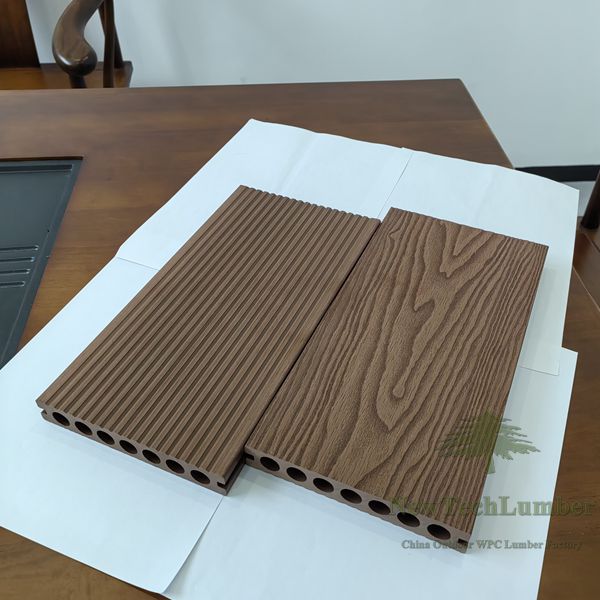
Another important factor is the manufacturing process. Quality composite decking often undergoes more rigorous manufacturing standards, which can result in a product that is more resistant to wear and tear. For instance, some high-end brands use advanced technologies to create a denser product with better moisture resistance. This is crucial for areas with high humidity or frequent rain, as moisture can lead to mold and mildew growth in lower quality products. When installing composite decking, paying attention to the manufacturing standards can significantly impact the longevity and performance of your deck.
When it comes to appearance, the quality levels of composite decking can also vary greatly. Premium products often offer a wide range of colors and textures that can mimic the look of natural wood, providing a beautiful finish to your outdoor space. These high-quality options are designed to resist fading from UV exposure, ensuring that your deck maintains its color over time. Conversely, lower quality composite boards may have a limited selection of colors and may not be as resistant to fading. If maintaining the aesthetic appeal of your deck is important to you, investing in higher quality materials can be worthwhile.
Another consideration is the warranty offered by the manufacturer. Generally, higher quality composite decking comes with longer warranties, reflecting the manufacturer’s confidence in their product. A robust warranty can provide peace of mind, knowing that if any issues arise due to manufacturing defects, you will be covered. On the other hand, products with shorter warranties may indicate lower quality and a higher likelihood of problems down the line. When choosing your composite decking, reviewing warranty options can help you gauge the expected performance and durability of the product.
Installing composite decking also requires careful consideration of the installation process itself. Quality products often come with detailed installation guidelines and support from the manufacturer. This support can be invaluable, especially if you are a DIY enthusiast. Higher-end composite decking may feature systems that make installation easier, such as hidden fasteners or interlocking boards that require fewer tools and less time to install. This can lead to a more aesthetically pleasing finish as well as reduce the chances of installation errors that could compromise the integrity of the deck.

Maintenance is another area where the quality of composite decking can make a significant difference. While composite decking is generally low maintenance compared to wood, higher quality options typically require even less upkeep. Premium products often resist stains and scratches more effectively, meaning you spend less time cleaning and maintaining your deck. They are also less likely to require resealing or staining over time. When deciding on the quality of composite decking, consider how much time and effort you are willing to invest in maintenance to keep your deck looking its best.
Cost is a crucial factor when selecting composite decking. Higher quality products usually come with a higher price tag, but they often provide better value in the long run due to their durability and lower maintenance needs. Investing in quality materials can save you from costly repairs or replacements in the future. It is important to weigh the initial costs against the potential savings over the lifespan of the deck. Consider your budget and how much you value quality and longevity when making your decision.
Ultimately, selecting the right quality level of composite decking involves careful consideration of various factors including material composition, manufacturing standards, aesthetic preferences, warranty options, installation processes, maintenance requirements, and cost. By taking the time to explore these elements, you can ensure that you choose a composite decking product that not only meets your immediate needs but also provides lasting value and enjoyment for years to come. Whether you prioritize durability, appearance, or ease of maintenance, there is a composite decking option available to suit your preferences and enhance your outdoor living space.