
Competitive Composite Decking Prices: Get Value for Your Investment
When it comes to choosing the right material for decking, one of the most significant factors to consider is the performance characteristics of the material in question. Composite decking has gained popularity in recent years due to its numerous advantages over traditional wood decking. The competitive prices of composite decking offer not only an affordable option for homeowners but also exceptional value for their investment. Understanding the material performance of composite decking can help consumers make informed decisions when selecting the best option for their outdoor spaces.
Composite decking is made from a blend of wood fibers and recycled plastic. This combination results in a material that mimics the appearance of natural wood while providing enhanced durability and resistance to various environmental factors. One of the standout features of composite decking is its resistance to rot and decay, which is a common issue with traditional wooden decks. The wood fibers in composite materials are protected from moisture, significantly reducing the likelihood of mold and mildew growth. This characteristic is particularly advantageous in regions with high humidity or frequent rainfall, as it ensures that the deck remains in good condition over time.
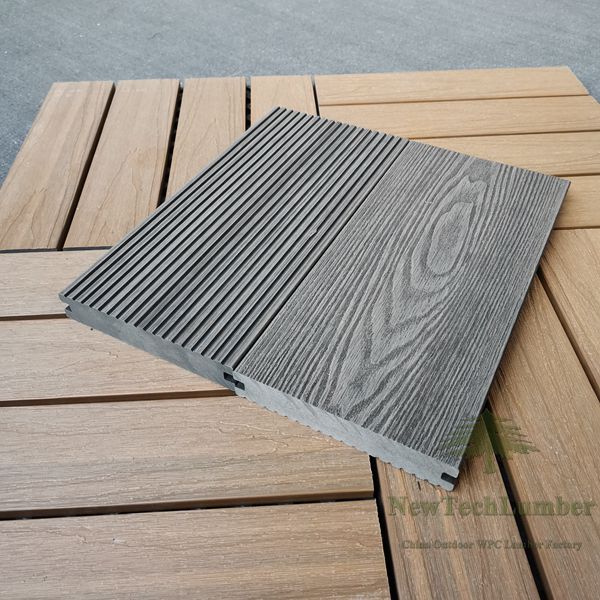
Another important aspect of composite decking is its resistance to fading and staining. Unlike natural wood, which can lose its color and luster due to exposure to sunlight and weather elements, composite materials are engineered to maintain their appearance for years. Many manufacturers incorporate UV inhibitors in their composite formulations to prevent color fading, ensuring that the deck retains its vibrant look even after prolonged exposure to sunlight. This resistance to fading means that homeowners can enjoy their investment without the need for frequent staining or painting, which can be both time-consuming and costly.
In terms of maintenance, composite decking requires far less upkeep compared to traditional wood. Wood decks often require regular sealing, staining, and sanding to keep them looking their best. In contrast, composite decking only needs occasional cleaning with soap and water to remove dirt and debris. This low-maintenance requirement is a significant advantage for busy homeowners who wish to spend their time enjoying their outdoor space rather than maintaining it. The reduced need for maintenance also translates to long-term cost savings, making composite decking an appealing option for those seeking value.

Durability is a critical factor when evaluating decking materials, and composite decking excels in this area. It is designed to withstand the rigors of everyday use, including heavy foot traffic, furniture placement, and exposure to harsh weather conditions. Many composite products come with warranties that reflect their durability, often lasting 25 years or more. This long lifespan means that homeowners can enjoy their decks for decades without the worry of premature replacement. The investment in composite decking pays off over time as it remains functional and visually appealing for many years.
Safety is another important consideration when choosing decking materials. Composite decking is typically designed to be slip-resistant, making it a safer option for families with children and pets. Additionally, many composite products are manufactured to be splinter-free, eliminating the risk of injury from sharp edges. This attention to safety further enhances the value of composite decking as an investment, providing peace of mind for homeowners.
The environmental impact of decking materials is increasingly becoming a priority for consumers. Composite decking is often made from recycled materials, which appeals to environmentally conscious buyers. By choosing composite decking, homeowners can contribute to reducing waste and promoting sustainability. This aspect of composite materials not only adds to their value but also aligns with the growing trend of eco-friendly home improvement practices.
Price competitiveness is a crucial factor in the decision-making process for many homeowners. While the initial cost of composite decking may be higher than that of traditional wood, the long-term savings associated with reduced maintenance, durability, and longevity make it a cost-effective choice. When evaluating the total cost of ownership over the lifespan of the deck, composite decking often emerges as the more economical option, providing excellent value for the investment.
In the realm of outdoor living, the choice of decking can significantly influence the overall experience. The aesthetic appeal of composite decking, combined with its performance characteristics, ensures that it remains a popular choice among homeowners. With a wide variety of colors, textures, and finishes available, composite decking can complement any architectural style, enhancing the beauty of outdoor spaces.
The combination of superior material performance, low maintenance requirements, safety features, and environmental benefits makes composite decking an attractive option for homeowners looking to invest in their outdoor living spaces. The competitive prices available in the market further enhance its appeal, providing consumers with an opportunity to achieve a beautiful and functional deck without compromising on quality. When considering a new decking option, the value offered by composite decking should not be overlooked, as it represents a smart investment for both immediate enjoyment and long-term satisfaction.