
Don’t Miss Out on Composite Decking Sales: Save on Your Outdoor Project
Composite decking has become a popular choice among homeowners and builders for outdoor projects. Its unique combination of materials offers durability, aesthetics, and low maintenance, making it an attractive option for decks, patios, and outdoor living spaces. As demand for composite decking continues to grow, manufacturers are constantly refining their production processes to enhance performance, sustainability, and cost-effectiveness. This article explores the intricacies of composite decking production and highlights the benefits of taking advantage of current sales opportunities.
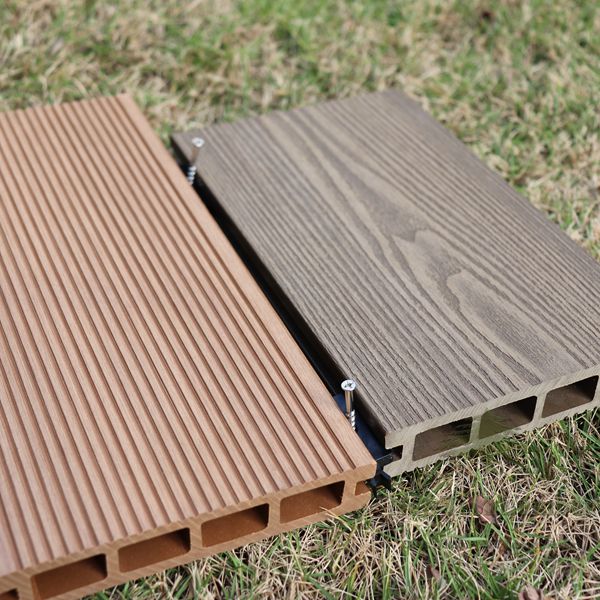
At its core, composite decking is made from a blend of wood fibers and recycled plastic. This combination creates a material that mimics the look of natural wood while providing the resilience of plastic. The production process begins with sourcing high-quality wood fibers, typically derived from sawmill waste or reclaimed wood. These fibers are then dried and processed to achieve the desired consistency. The use of recycled plastic in the formulation not only contributes to the sustainability of composite decking but also enhances its durability, as plastic is resistant to moisture, mold, and insects.
Once the wood fibers and plastic have been prepared, they are mixed together with additives that enhance the performance of the final product. These additives can include UV stabilizers to prevent fading from sunlight exposure, color pigments for aesthetic appeal, and fire retardants for added safety. The precise formulation can vary by manufacturer, allowing for a wide range of colors, textures, and finishes to meet consumer preferences.
The next phase in the production process is extrusion. In this step, the blended material is heated and forced through a mold to create long, continuous boards. This process allows for consistency in dimensions and ensures that the product is uniform in appearance. As the boards exit the extruder, they are cooled and cut to the desired lengths. Some manufacturers also offer additional treatments or coatings during this stage to further enhance the deck’s performance characteristics.

Once the boards are cut, they undergo a rigorous quality control process. This step is crucial, as it ensures that each board meets the manufacturer’s standards for durability, strength, and appearance. Any boards that do not meet these standards are discarded or recycled back into the production process, maintaining a commitment to sustainability.
The production of composite decking is not only focused on the materials but also on the environmental impact of the manufacturing process. Many companies are investing in energy-efficient machinery and sustainable practices to reduce their carbon footprint. This includes using renewable energy sources, minimizing waste, and implementing closed-loop systems that recycle water and materials used during production. By prioritizing sustainability, manufacturers are appealing to environmentally conscious consumers who are looking for eco-friendly options for their outdoor projects.
As consumers consider their options for decking materials, the advantages of composite decking become increasingly evident. Its resistance to fading, splintering, and warping means that it requires less upkeep than traditional wood decking, which often needs annual staining or sealing. Additionally, composite decking is available in a variety of colors and textures, allowing homeowners to customize their outdoor spaces to suit their personal style.
The current sales promotions on composite decking provide an excellent opportunity for homeowners and builders to invest in high-quality materials for their outdoor projects. With the potential for significant savings, now is the perfect time to explore the various options available on the market. Many manufacturers are offering discounts, seasonal promotions, and even financing options to make this sustainable choice more accessible.
Moreover, composite decking not only enhances the aesthetic appeal of outdoor spaces but also adds value to a property. As more homeowners seek to create functional and inviting outdoor environments, the demand for quality decking materials continues to rise. Investing in composite decking now can lead to long-term benefits, including increased property value and reduced maintenance costs.
In selecting the right composite decking, it is essential to consider factors such as the warranty offered by the manufacturer, the specific performance characteristics of the product, and the overall design of the outdoor space. Many manufacturers provide detailed specifications and samples that allow consumers to make informed choices about the best materials for their needs.
With the ongoing sales on composite decking, consumers have a unique opportunity to upgrade their outdoor living spaces while taking advantage of cost savings. The combination of advanced manufacturing processes, sustainable materials, and attractive designs makes composite decking an ideal choice for any outdoor project. By choosing composite decking during this promotional period, homeowners can create stunning outdoor spaces that are both functional and environmentally friendly.