
Explore Wood plastic composite decking boards for Versatile Applications
Wood plastic composite decking boards have emerged as a versatile and innovative solution for outdoor applications in recent years. The rise in popularity of these materials can be attributed to their unique blend of wood fibers and plastic, which provides a range of benefits over traditional wood or fully synthetic decking materials. As global demand for sustainable and durable building materials increases, wood plastic composites are gaining traction in various markets, driven by both their production capacity and price advantages.
The global production capacity of wood plastic composites has expanded significantly in recent years, with manufacturers establishing facilities in various regions to meet the growing demand. North America, Europe, and Asia are the key players in this market, each contributing to the overall supply chain. In North America, the market for wood plastic composites has been largely driven by the increasing preference for low-maintenance and environmentally friendly products. Many manufacturers in this region have invested heavily in advanced technologies to optimize production processes, which has resulted in higher efficiency and lower costs.
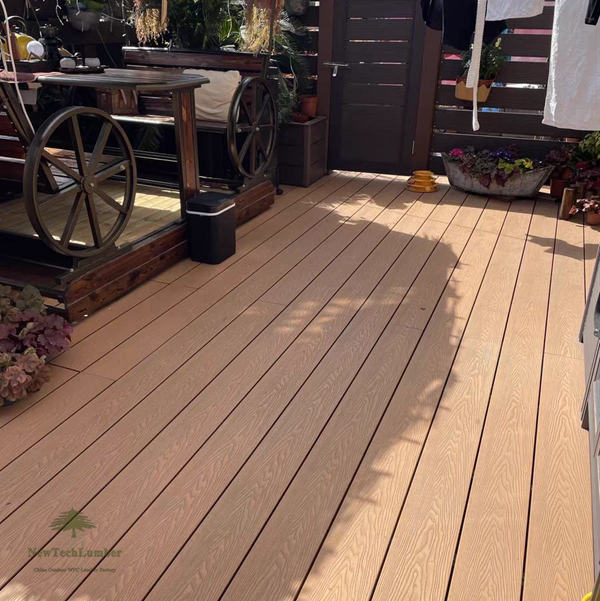
In Europe, the emphasis on sustainability and eco-friendly building materials has propelled the demand for wood plastic composites. European manufacturers are focusing on producing high-quality products that meet strict environmental regulations. This region is known for its innovative designs and high-performance materials, which have positioned it as a leader in the global wood plastic composite market. The presence of strong regulatory frameworks encourages the adoption of sustainable practices, which benefits the wood plastic composite sector by promoting its advantages over traditional materials.
Asia, particularly countries like China and India, has also witnessed a surge in wood plastic composite production. The rapid urbanization and increasing disposable incomes in these regions have resulted in a growing construction sector that demands durable and cost-effective materials. Many Asian manufacturers have capitalized on the lower production costs, allowing them to offer competitive pricing in both domestic and international markets. This has made wood plastic composites an attractive option for builders and homeowners looking for affordable yet high-quality decking solutions.
The price advantage of wood plastic composite decking boards plays a crucial role in their widespread adoption. When compared to traditional wood decking, which requires regular maintenance, staining, and sealing, wood plastic composites offer a lower long-term cost of ownership. While the initial investment may be higher, the reduced maintenance requirements and longer lifespan of composite materials often lead to significant savings over time. Additionally, wood plastic composites are resistant to rot, insects, and fading, further enhancing their cost-effectiveness.
From a global perspective, the price dynamics of wood plastic composites vary by region due to differences in raw material availability, labor costs, and production technologies. In North America and Europe, where labor and material costs are generally higher, the price of wood plastic composites may reflect these factors. However, manufacturers in Asia can often produce these materials at a lower cost due to cheaper labor and abundant raw materials. This price disparity allows Asian manufacturers to penetrate international markets aggressively, offering competitive pricing that appeals to cost-conscious consumers.
Moreover, the versatility of wood plastic composites makes them suitable for a wide range of applications beyond decking, including fencing, railing, and even furniture. This adaptability further enhances their market appeal, as consumers seek materials that can fulfill multiple purposes in outdoor living spaces. The aesthetic versatility of wood plastic composites, which can mimic the appearance of natural wood while providing superior durability, also contributes to their popularity.
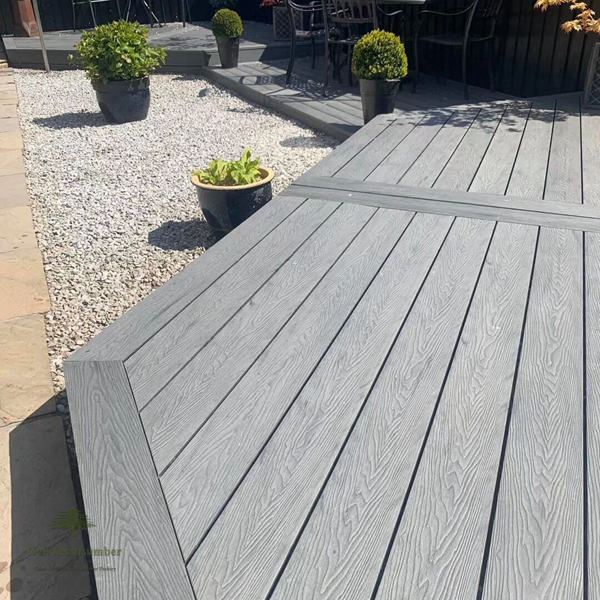
Sustainability is another critical factor driving the adoption of wood plastic composites. As consumers become more environmentally conscious, the demand for materials that utilize recycled content and reduce the use of virgin resources is increasing. Wood plastic composites can be made from recycled wood fibers and plastic, making them an eco-friendly option for builders and homeowners alike. This sustainable aspect not only helps in reducing landfill waste but also supports industries focused on recycling efforts.
In addition to sustainability and cost considerations, the performance characteristics of wood plastic composites are also noteworthy. These materials offer enhanced slip resistance, making them safer for outdoor environments, particularly in wet conditions. Furthermore, their resistance to fading, staining, and mold growth ensures that they maintain their appearance and structural integrity over time. This durability makes wood plastic composites an ideal choice for high-traffic areas such as decks, patios, and pool surrounds.
As the global market for wood plastic composites continues to grow, manufacturers are expected to innovate further, enhancing product performance and expanding applications. The combination of competitive pricing, sustainability, and versatility makes wood plastic composite decking boards a compelling choice for a variety of outdoor applications. As consumers increasingly prioritize environmentally friendly options that do not compromise on quality, the future of wood plastic composites appears bright. Their ability to meet diverse needs while providing a sustainable alternative to traditional materials positions them as a leading option in the modern building materials market.