
WPC Cladding Sydney Options for Local Homeowners
As homeowners in Sydney seek innovative ways to enhance their properties, Wood Plastic Composite (WPC) cladding has emerged as a popular choice. This material offers a blend of wood and plastic, resulting in a durable and aesthetically pleasing option for exterior applications. Understanding the installation and maintenance aspects of WPC cladding can help homeowners make informed decisions that align with their lifestyle and preferences.
WPC cladding is available in various styles, colors, and textures, catering to diverse architectural designs. Homeowners can choose from options that mimic the appearance of natural wood while benefiting from the enhanced durability and resistance to environmental factors. This versatility is particularly appealing in Sydney, where the climate can be both humid and sunny, necessitating materials that can withstand such conditions.
When considering installation, several factors come into play. First, homeowners should assess whether they will undertake a DIY project or hire professional installers. While WPC cladding can be installed by experienced DIY enthusiasts, it is essential to follow manufacturer guidelines to ensure optimal results. For those unfamiliar with construction practices, hiring professionals can save time and reduce the risk of errors during installation.
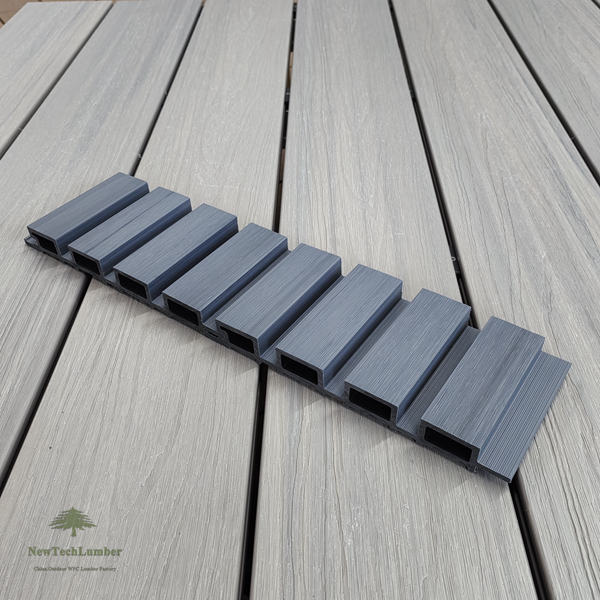
The installation process begins with preparing the surface where the cladding will be applied. This may involve cleaning the area and ensuring that it is structurally sound. A level surface is crucial for proper installation, as uneven walls can lead to complications later on. Homeowners should also take into account any local building codes or regulations that might affect the installation process.
Once the surface preparation is complete, the next step involves measuring and cutting the WPC boards to fit the designated area. Accurate measurements are critical to minimize waste and ensure a seamless appearance. Many manufacturers provide detailed instructions that guide homeowners through the cutting and fitting process.
Fastening methods vary depending on the specific WPC product chosen. Some options utilize hidden fasteners, which provide a clean and polished look, while others may require visible screws. Understanding the fastening system is vital to ensure that the cladding is securely attached and can withstand the elements. Homeowners should also consider the expansion and contraction properties of WPC, as temperature fluctuations can impact the material’s dimensions. Leaving appropriate gaps between boards can accommodate these changes and prevent warping.
After installation, maintenance is an essential aspect of ensuring the longevity and appearance of WPC cladding. One of the significant advantages of WPC is its low-maintenance nature compared to traditional wood. Unlike wood, which requires regular staining and sealing, WPC typically only needs periodic cleaning with soap and water to maintain its appearance. This is particularly advantageous for busy homeowners who may not have the time for extensive upkeep.
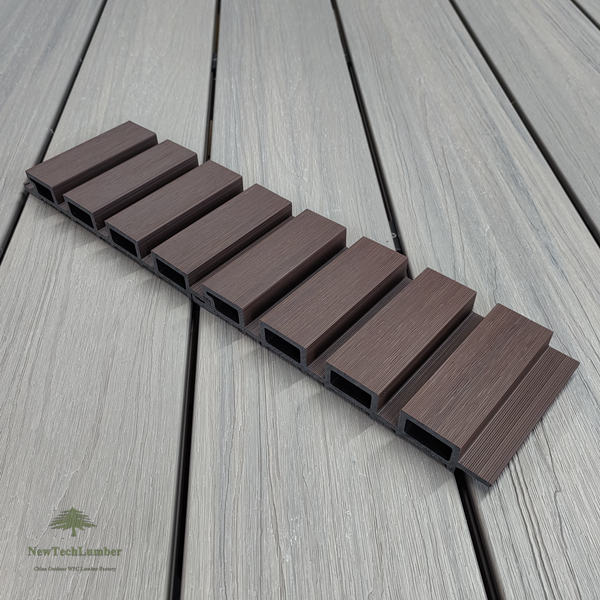
However, regular inspections are still necessary to identify any potential issues, such as discoloration or damage caused by extreme weather conditions. Homeowners should be vigilant about checking for mold or mildew, especially in damp or shaded areas. If any signs of wear are detected, prompt action can prevent more significant problems down the line.
Another maintenance consideration is graffiti removal. While WPC is generally resistant to stains, any graffiti or markings may require specific cleaning solutions. Homeowners should consult with manufacturers or professional cleaners to determine the best products to use without damaging the surface.
Additionally, while WPC cladding is designed to resist pests and decay, it is wise to monitor for any insect activity or signs of rot. Maintaining a clear space around the cladding can help reduce the risk of pest infestations. Regularly trimming vegetation that may come into contact with the cladding can also contribute to its longevity.
For homeowners looking to refresh the look of their WPC cladding, some products allow for staining or painting, providing an opportunity for aesthetic updates. However, it is crucial to choose compatible products to avoid compromising the material’s integrity. Consulting with professionals or manufacturers can provide guidance on suitable options.
In Sydney, where outdoor living is cherished, WPC cladding can be an excellent choice for enhancing both the style and functionality of homes. Its resistance to weather elements, combined with its low maintenance requirements, makes it a practical option for modern homeowners. By understanding the installation process and committing to regular maintenance, homeowners can enjoy the benefits of WPC cladding for years to come. The right choice of WPC cladding can not only elevate the appearance of a home but also contribute to a sustainable and efficient living environment.