
Explore WPC Composite Cladding for Sustainable Building Solutions
Wood Plastic Composite (WPC) cladding has emerged as a popular solution in the construction industry, particularly for sustainable building projects. This innovative material combines the properties of wood and plastic, resulting in a product that offers numerous advantages over traditional cladding materials. The performance characteristics of WPC composites make them an appealing choice for architects and builders seeking environmentally friendly and durable options.
One of the primary benefits of WPC cladding is its sustainability. The composite is typically made from recycled wood fibers and plastic materials, reducing the demand for virgin resources. This recycling process not only minimizes waste but also decreases the carbon footprint associated with the production of building materials. By choosing WPC cladding, builders can contribute to a circular economy, where materials are reused and repurposed rather than discarded.
In addition to its sustainable composition, WPC cladding exhibits remarkable durability. The combination of wood and plastic creates a material that is resistant to many of the common issues associated with traditional wood cladding. For instance, WPC does not warp or splinter like natural wood, which can degrade over time due to exposure to moisture and varying temperatures. This stability makes WPC an excellent choice for a variety of climates and environmental conditions.
The resistance of WPC to moisture also plays a crucial role in its long-term performance. Traditional wood products are often susceptible to rot and decay when exposed to water. In contrast, WPC is engineered to withstand the elements, making it less likely to suffer from mold and mildew growth. This characteristic not only extends the lifespan of the cladding but also reduces maintenance costs for building owners. The need for regular sealing, painting, or staining is significantly diminished, allowing for a more cost-effective and hassle-free solution.
Another notable performance aspect of WPC cladding is its low maintenance requirements. Unlike natural wood, which necessitates frequent upkeep to maintain its appearance and structural integrity, WPC can be easily cleaned with soap and water. This ease of maintenance is particularly appealing for commercial applications or residential properties where owners may prefer to minimize the time and resources spent on exterior upkeep.
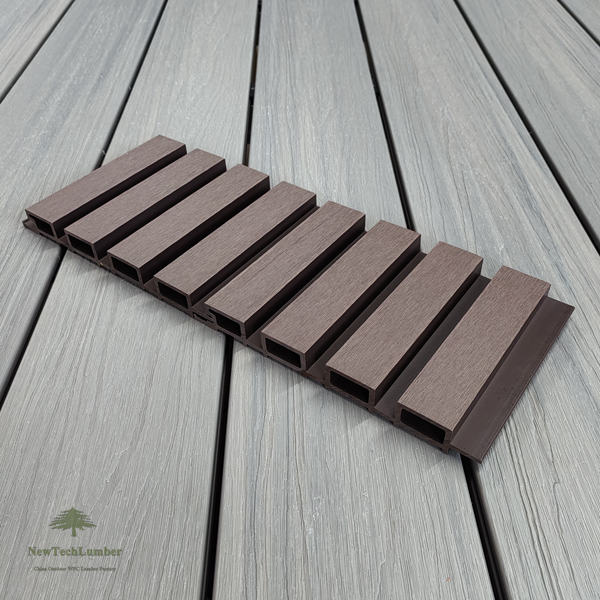
In terms of aesthetics, WPC cladding offers a wide range of design options. With advancements in manufacturing techniques, WPC can be produced in various colors, textures, and finishes that mimic the appearance of traditional wood. This flexibility allows architects and designers to achieve the desired look for their projects while still benefiting from the superior performance characteristics of WPC. The ability to create custom profiles and designs further enhances the appeal of WPC cladding in contemporary architecture.
Fire resistance is another important performance attribute of WPC composites. Many WPC products are treated to improve their fire-retardant properties, making them suitable for use in areas where fire safety is a concern. This feature is particularly valuable in urban environments where building regulations may require specific fire ratings for exterior materials. The inclusion of fire-resistant additives in the composite formulation can provide added peace of mind for builders and occupants alike.

The thermal performance of WPC cladding also merits consideration. The combination of wood and plastic results in a material that can provide better insulation than traditional wood alone. This thermal efficiency can contribute to improved energy performance in buildings, reducing heating and cooling costs over time. As energy efficiency becomes increasingly important in sustainable design, the use of WPC can play a significant role in meeting building performance goals.
Moreover, the lightweight nature of WPC cladding simplifies the installation process. This characteristic can lead to reduced labor costs and shorter construction timelines, making it an attractive option for builders. The ease of handling and cutting WPC materials allows for greater flexibility on-site, enabling contractors to adapt quickly to changing design specifications or site conditions.
The environmental benefits of WPC cladding extend beyond its composition and performance. By using materials that would otherwise end up in landfills, WPC contributes to waste reduction efforts. As the construction industry seeks to minimize its environmental impact, the adoption of WPC solutions represents a step towards more responsible building practices.
In the context of global efforts to combat climate change, the use of sustainable materials such as WPC cladding is becoming increasingly vital. As consumers and regulatory bodies demand more environmentally friendly products, building professionals must adapt to these expectations. The performance characteristics of WPC, combined with its sustainable attributes, position it as a forward-thinking choice for the future of construction.
WPC composite cladding stands out as an innovative building material that addresses many contemporary challenges in the construction industry. Its combination of sustainability, durability, low maintenance, aesthetic versatility, fire resistance, thermal performance, and ease of installation makes it a compelling option for both residential and commercial applications. By integrating WPC cladding into building designs, architects and builders can contribute to a more sustainable future while ensuring that their projects meet the demands of both functionality and style.