
WPC Cladding Brisbane Solutions for Local Projects
WPC, or Wood Plastic Composite, has emerged as a popular choice for cladding in Brisbane due to its unique combination of durability, aesthetics, and environmental benefits. This innovative material is manufactured through a process that involves blending wood fibers with thermoplastics, resulting in a product that mimics the appearance of wood while offering enhanced performance characteristics. When considering local projects in Brisbane, understanding the production technology behind WPC cladding can provide valuable insights into its advantages and applications.
The production of WPC begins with the selection of raw materials. Typically, recycled wood fibers, such as sawdust or wood shavings, are sourced from local timber mills or wood processing facilities. This not only supports the local economy but also promotes sustainability by reducing waste. The wood fibers are then dried to a specific moisture content to ensure optimal bonding during the extrusion process. The thermoplastic component, usually polyethylene or polypropylene, is also sourced from recycled materials, further enhancing the eco-friendly profile of WPC.
Once the raw materials are prepared, they undergo a blending process. This involves mixing the wood fibers with the thermoplastic resin in precise proportions. Additives such as colorants and UV stabilizers may also be included to enhance the appearance and longevity of the final product. The blending process is critical, as it ensures uniform distribution of the materials, which will affect the physical properties of the resulting cladding. Advanced machinery is often employed to achieve a homogeneous mixture that meets the stringent quality standards required for exterior applications.
Following the blending phase, the mixture is subjected to an extrusion process. This involves forcing the blended material through a heated die to form long profiles of WPC cladding. The temperature and pressure during extrusion are carefully controlled to ensure that the wood fibers are adequately bonded to the thermoplastic matrix. This process creates a product that is not only strong and durable but also resistant to moisture, insects, and decay, making it ideal for Brisbane’s variable climate.
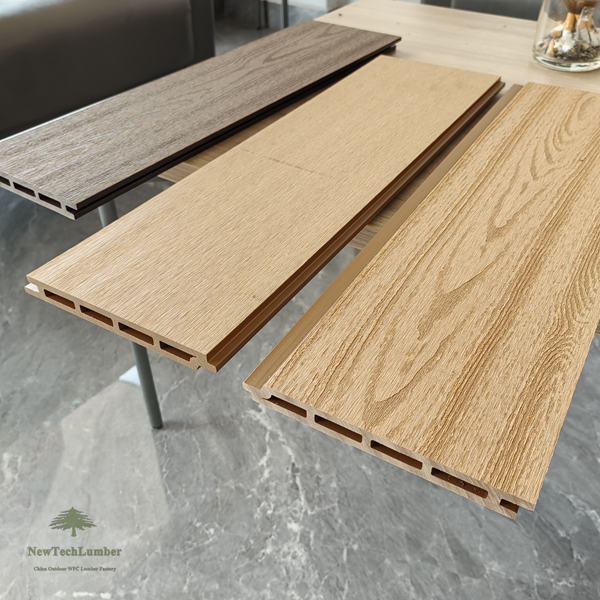
After extrusion, the WPC profiles are cooled and cut to the desired lengths. The finished cladding can be further processed to achieve different surface textures, such as a natural wood grain finish or a smooth surface. These finishing touches enhance the aesthetic appeal of the cladding, allowing it to seamlessly integrate with various architectural styles in local projects. Additionally, WPC cladding can be easily painted or stained if a different color is desired, providing further customization options for homeowners and builders.
The installation of WPC cladding in Brisbane projects presents several advantages. One of the key benefits is its low maintenance requirements. Unlike traditional wood, which may require regular sealing or staining to prevent weathering, WPC cladding retains its appearance with minimal upkeep. It is resistant to fading, splintering, and warping, making it an excellent option for exterior applications. Furthermore, the lightweight nature of WPC allows for easier handling and installation, reducing labor costs and time on site.

From an environmental perspective, WPC cladding contributes to sustainable building practices. The use of recycled materials in its production diminishes the demand for virgin wood, helping to conserve forests and reduce carbon emissions associated with timber harvesting. Moreover, WPC is fully recyclable at the end of its lifespan, aligning with the principles of a circular economy. This eco-friendly aspect resonates well with the increasing demand for sustainable construction materials in Brisbane and beyond.
In recent years, WPC cladding has found its way into a variety of local projects, ranging from residential homes to commercial buildings and outdoor structures. Its versatility allows it to be used in various applications, including facades, fences, and decking. As architects and builders seek to balance aesthetics with performance, WPC cladding provides an attractive solution that meets the demands of modern construction.
The future of WPC cladding in Brisbane looks promising as technology continues to evolve. Innovations in production processes and material formulations are likely to enhance the performance characteristics of WPC, making it even more appealing for local projects. As consumer awareness grows regarding environmental sustainability, the demand for WPC cladding is expected to rise, leading to further investment in research and development.
Understanding the production technology behind WPC cladding offers valuable insights into its advantages and potential applications in Brisbane. With a focus on sustainability, durability, and aesthetic flexibility, WPC stands out as a leading choice for cladding solutions in the region. As local projects increasingly adopt this innovative material, it is clear that WPC cladding will play a significant role in shaping the future of construction in Brisbane.