
Guide to Wood Plastic Composite Decking Installation Made Easy
Wood Plastic Composite (WPC) decking has gained immense popularity due to its durability, aesthetic appeal, and low maintenance requirements. If you are considering installing WPC decking, understanding the installation process and maintenance is crucial to ensure longevity and performance. This guide will provide you with comprehensive insights into installing WPC decking with ease.
Before diving into the installation process, it is essential to gather the necessary tools and materials. You will need WPC boards, a saw for cutting, a drill for fastening, screws specifically designed for WPC, a level to ensure proper alignment, and a measuring tape. Additionally, having safety equipment such as gloves and goggles is advisable to ensure a safe working environment.
The first step in the installation process is to prepare the area where the decking will be laid. This involves clearing the space of any debris, grass, or existing structures. It is vital to have a clean and level surface to work on, as this will affect the final appearance and stability of your deck. If the ground is uneven, consider leveling it out or building a frame to provide a solid foundation.
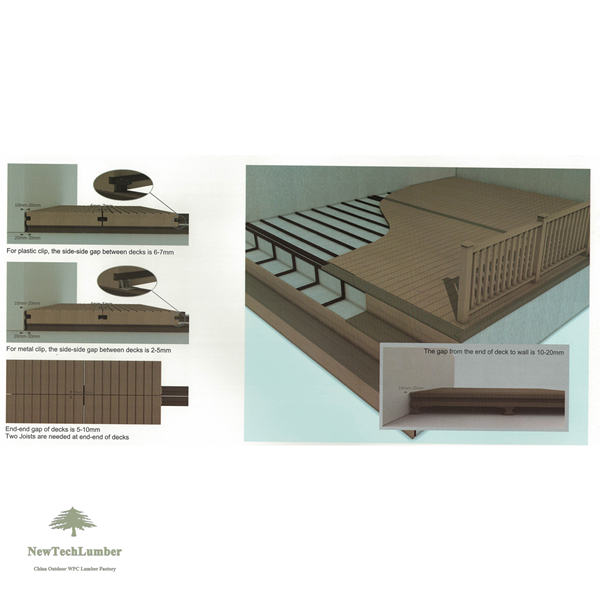
Once the area is prepared, the next step is to install the joists. Joists are the supporting beams that will hold the WPC decking in place. It is important to space the joists appropriately, generally at a distance of 16 inches on center, although this can vary depending on the specific product recommendations. Use a level to ensure that the joists are even and properly aligned.
After the joists are installed, it is time to lay down the WPC boards. Start from one corner and work your way across the deck. It is advisable to leave a small gap between the boards to allow for expansion and contraction due to temperature changes. This gap typically ranges from 1/8 inch to 1/4 inch, depending on the manufacturer’s guidelines. Secure the boards to the joists using screws, ensuring that they are driven in straight and flush with the surface.
When cutting the WPC boards to fit your space, use a saw that is appropriate for composite materials. A circular saw with a fine-tooth blade is often recommended for clean cuts. Take accurate measurements before cutting to avoid wasting material and ensure a perfect fit. If you encounter any obstacles such as posts or railings, measure carefully and make the necessary cuts to accommodate these features.
Once all the boards are installed, it is important to inspect the deck for any uneven surfaces or protruding screws. Ensure that all screws are flush with the surface to prevent tripping hazards and to maintain the aesthetic appeal of the deck. If you notice any irregularities, take the time to address them before proceeding.
With the installation complete, the maintenance of your WPC decking is relatively straightforward. One of the primary advantages of WPC material is its resistance to mold, mildew, and insects, which significantly reduces the need for intensive maintenance. However, regular cleaning is still essential to keep your deck looking its best. Use a broom or leaf blower to remove debris, and clean the surface with mild soap and water as needed. Avoid using harsh chemicals or abrasive cleaners, as these can damage the surface of the WPC.
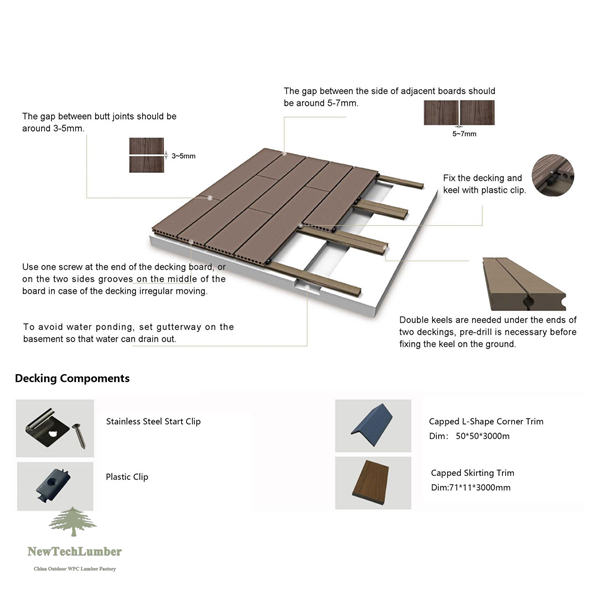
Another aspect of maintenance is checking for any loose screws or boards. Periodically inspect your deck to ensure that everything remains secure. If you notice any issues, address them promptly to prevent further damage. Additionally, consider applying a specialized WPC cleaner or protector to enhance the appearance of your decking and provide an extra layer of protection against the elements.
It is also advisable to keep an eye on the surrounding environment. Trim back any overhanging branches or vegetation that could potentially damage your deck or impede water drainage. Ensuring proper drainage is vital to prevent water from pooling on the surface, which can lead to mold growth or other issues.
For those living in regions with severe weather conditions, additional precautions may be necessary. In areas with heavy snowfall, consider shoveling off the snow to prevent excess weight from compromising the deck’s integrity. Similarly, during intense heat, be cautious about placing hot grills or other heat-generating appliances directly on the WPC surface, as extreme temperatures can affect the material.
Installing and maintaining Wood Plastic Composite decking can be a fulfilling project that enhances your outdoor living space. By following these guidelines, you can ensure a smooth installation process and enjoy a beautiful, durable deck for years to come. With minimal maintenance and proper care, your WPC decking will provide a functional and appealing area for relaxation and entertainment.