
Understanding Plastic wood flooring cost for Your Budget Planning
When planning a flooring project, one of the most critical aspects to consider is the cost associated with the materials and installation. Among the various options on the market, plastic wood flooring has gained popularity due to its aesthetic appeal, durability, and low maintenance requirements. However, understanding the cost implications of plastic wood flooring is essential for effective budget planning. This article will delve into the various components affecting the cost of plastic wood flooring, including material costs, installation expenses, and ongoing maintenance considerations.
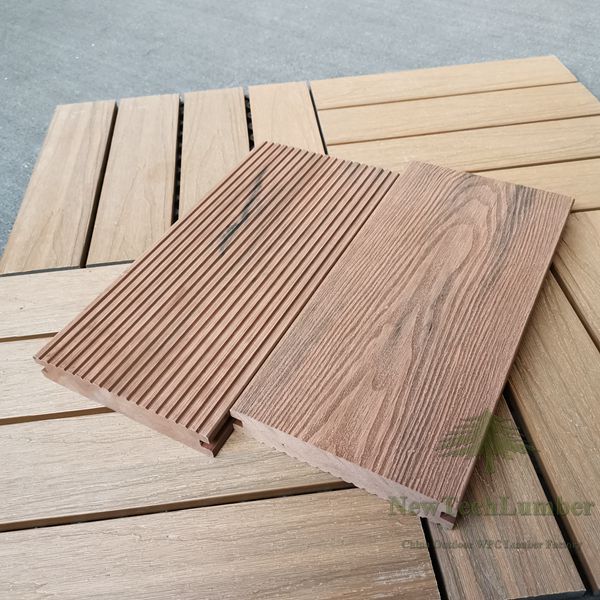
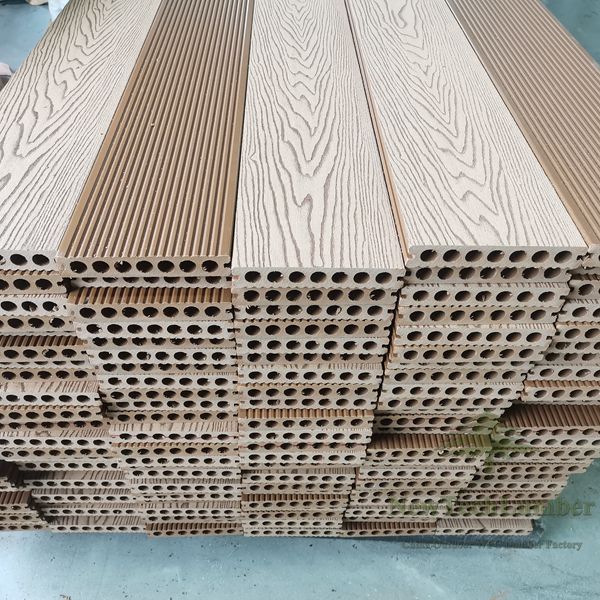
The first factor to consider when budgeting for plastic wood flooring is the material cost. Plastic wood flooring, often referred to as composite or synthetic wood, is typically made from a blend of recycled wood fibers and plastic. This combination results in a product that mimics the appearance of natural wood while offering enhanced durability. The price of plastic wood flooring can vary significantly based on the quality of materials used, the brand, and the specific design features. Higher-end products may incorporate advanced technology for improved resistance to wear and fading, leading to a higher initial cost. It is essential to evaluate various options and select a product that fits both your aesthetic preferences and your budget.
In addition to the cost of the flooring material itself, it is crucial to factor in installation expenses. While some homeowners may choose to install the flooring themselves to save on labor costs, hiring a professional installer often ensures a higher quality finish and can prevent costly mistakes. The installation cost can vary based on the complexity of the project, the size of the area to be covered, and the local labor rates. On average, professional installation costs can range from a few dollars per square foot to more, depending on these factors. It is advisable to obtain multiple quotes from different contractors to ensure competitive pricing and to understand what services are included in the installation package.
Another aspect of the installation process that can influence overall costs is the preparation of the subfloor. Plastic wood flooring requires a clean, dry, and level surface for optimal performance. If your existing subfloor requires repairs or leveling, this will add to the overall installation cost. Additionally, if you are replacing old flooring, there may be costs associated with the removal and disposal of the existing material. These preparatory steps are vital for ensuring the longevity of your new flooring, so it is worth investing in proper subfloor preparation.
Once your plastic wood flooring is installed, ongoing maintenance costs should also be considered. One of the significant advantages of plastic wood flooring is its low maintenance requirements compared to traditional hardwood. However, some periodic upkeep is necessary to keep the flooring looking its best. This includes regular sweeping or vacuuming to remove dirt and debris, as well as occasional mopping with a suitable cleaning solution. Depending on the level of foot traffic in your home, you may also need to periodically apply a protective sealant to maintain the flooring’s appearance and durability. While these maintenance costs are generally lower than those associated with natural wood, it is still important to budget for them.
Another factor that may influence your overall budget is the warranty offered by the manufacturer. Many reputable brands provide warranties that cover defects in materials and workmanship. These warranties can range from a few years to several decades. Investing in a product with a longer warranty may have a higher upfront cost but can provide peace of mind and potential savings in the long run. If any issues arise during the warranty period, you may be eligible for repairs or replacements at no additional cost.
Furthermore, when planning your budget, consider the long-term benefits of investing in quality plastic wood flooring. While the initial costs may be higher, the durability and low maintenance of this material can lead to cost savings over time. Unlike traditional wood flooring, which may require refinishing or replacement after several years, plastic wood flooring typically maintains its appearance with minimal effort. This resilience makes it an attractive option for high-traffic areas of the home or for families with children and pets.
In assessing the cost of plastic wood flooring, it is essential to take a comprehensive approach that encompasses material prices, installation expenses, and future maintenance requirements. By carefully evaluating these factors and conducting thorough research, homeowners can make informed decisions that align with their budgetary constraints while still achieving the desired aesthetic and functionality in their living spaces. Engaging with professionals, seeking multiple quotes, and considering long-term savings can further enhance the budgeting process, ensuring that the investment in plastic wood flooring is both economically sound and satisfying in the years to come.