
Explore Plastic wood flooring for decks that Enhance Outdoor Living
Plastic wood flooring, also known as composite decking, has emerged as a popular choice for enhancing outdoor living spaces, particularly in the construction of decks. This innovative material combines the aesthetics of natural wood with the durability and low maintenance of plastic, making it an ideal solution for homeowners looking to create inviting outdoor environments. The production process of plastic wood flooring is characterized by several key stages, each contributing to the final product’s quality, appearance, and performance.
The journey of plastic wood flooring begins with the selection of raw materials. Typically, manufacturers utilize a blend of recycled plastic and wood fibers, which not only helps reduce waste but also ensures sustainability. The wood fibers are usually sourced from sawmill waste, wood shavings, and other byproducts, while the plastic component often comes from recycled bottles or packaging materials. This sustainable approach not only minimizes the environmental impact but also meets the increasing demand for eco-friendly building materials.
Once the raw materials are gathered, they undergo a rigorous processing phase. The wood fibers are dried and ground into fine particles, which allows for better mixing and bonding with the plastic resin. This step is crucial as it influences the texture and appearance of the finished product. The plastic component is typically in the form of pellets, which are then blended with the wood fibers to create a homogeneous mixture. Additives such as colorants, UV inhibitors, and anti-fungal agents may also be incorporated at this stage to enhance the aesthetic appeal and durability of the decking material.
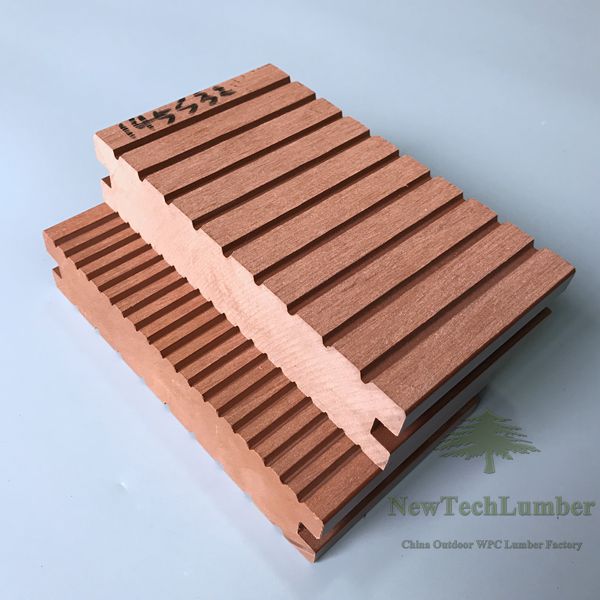
After the blending process, the mixture is subjected to heat and pressure in an extrusion process. This involves melting the plastic and wood fiber blend, which is then forced through a mold to form the desired shape of the decking boards. The extrusion process is critical because it determines the density and overall strength of the product. Manufacturers can adjust the temperature and pressure settings to create variations in the final product, allowing for a range of textures and finishes that mimic natural wood grain.
Cooling and solidification follow the extrusion process. The newly formed boards are cooled, often with the help of water or air, which stabilizes their dimensions and prevents warping. Once cooled, the boards are cut to specific lengths and may undergo additional treatments, such as sanding or surface texturing, to enhance their appearance and tactile feel. This finishing process is essential for achieving the desired visual characteristics that homeowners seek, as it can significantly influence the overall aesthetic of an outdoor space.
Quality control is a vital aspect of the production process. Manufacturers conduct rigorous testing to ensure that the plastic wood flooring meets industry standards for durability, slip resistance, and weather resistance. This involves subjecting the boards to various stress tests, including impact, bending, and thermal expansion tests. By maintaining strict quality control measures, manufacturers can guarantee that their products will withstand the elements and provide long-lasting performance for outdoor living spaces.
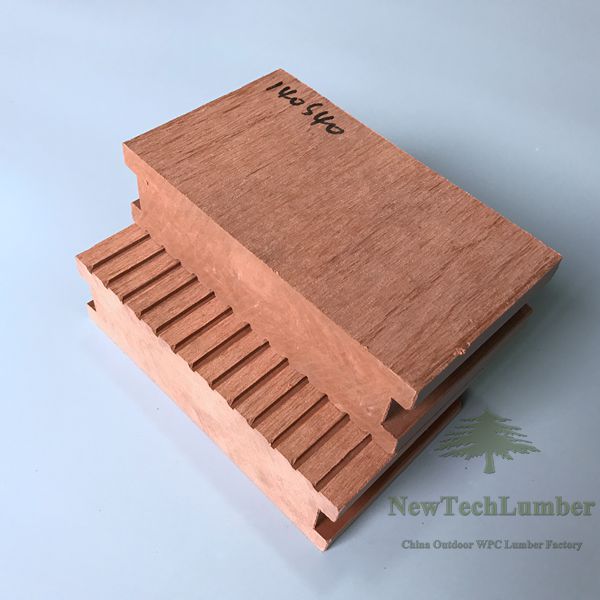
The versatility of plastic wood flooring makes it suitable for a wide range of applications beyond just decks. It can be used for patios, walkways, pool surrounds, and even outdoor furniture. Its resistance to moisture, mold, and insects ensures that it remains functional and visually appealing in various outdoor settings. Homeowners appreciate that plastic wood flooring does not require the same level of upkeep as traditional wood decking, which often demands regular staining, sealing, and maintenance to prevent deterioration.
Moreover, the aesthetic advantages of plastic wood flooring cannot be overlooked. Modern manufacturing techniques allow for a variety of colors and finishes, enabling homeowners to customize their outdoor spaces according to their personal preferences. Whether one desires a traditional wood look or a more contemporary design, plastic wood flooring can cater to diverse tastes while maintaining the practicality that outdoor environments necessitate.
In addition to its aesthetic and functional benefits, plastic wood flooring contributes to sustainability efforts in the building industry. By utilizing recycled materials, it promotes a circular economy and reduces reliance on virgin resources. This aligns with the growing trend toward environmentally responsible construction practices, making plastic wood flooring an attractive choice for eco-conscious consumers.
As outdoor living continues to gain popularity, the demand for durable, attractive, and low-maintenance materials like plastic wood flooring is likely to increase. Advances in production technology will further enhance the quality and variety of products available, ensuring that homeowners have access to innovative solutions for their outdoor spaces. Ultimately, plastic wood flooring represents a significant advancement in decking materials, offering a blend of beauty, performance, and sustainability that meets the evolving needs of modern lifestyles.