
Understanding Plastic wood decking boards prices for Budgeting
When planning a decking project, one of the most critical aspects to consider is the cost of materials. Plastic wood decking boards have gained popularity due to their durability, low maintenance requirements, and resistance to various environmental factors. However, understanding the price range of these materials is essential for effective budgeting and to ensure the project stays within financial limits.
The cost of plastic wood decking boards can vary significantly based on several factors. The type of material, brand, size, and additional features all contribute to the overall price. Plastic wood decking is typically made from recycled plastics and wood fibers, offering an eco-friendly alternative to traditional wood. The manufacturing process can affect the price as well; boards that undergo rigorous testing and quality control tend to be more expensive but often offer better performance and longevity.
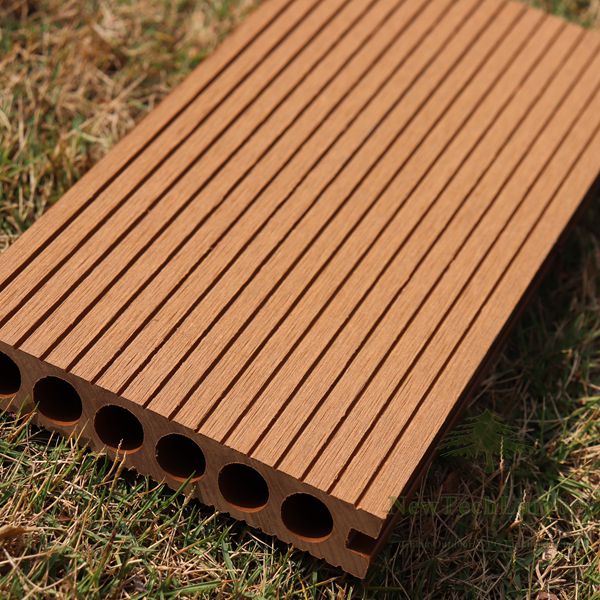
One of the most significant factors influencing the cost is the type of plastic wood decking chosen. There are various grades available, ranging from basic options to premium selections. Basic boards are generally less expensive but may not offer the same level of durability or aesthetic appeal as higher-grade options. Premium boards often come with additional features such as enhanced UV resistance or improved slip resistance, which can justify their higher price tag.
Another important consideration is the brand. Well-established brands with a reputation for quality may charge more for their products. However, investing in a reputable brand can be worthwhile in the long run, as these products often come with better warranties and customer support. Researching different brands and reading customer reviews can help in making an informed decision that aligns with both budget and quality expectations.
The size and thickness of the decking boards also play a role in the overall cost. Standard sizes are typically more affordable, but custom sizes or thicker boards may come at a premium. Thicker boards are often more durable and can withstand the wear and tear of heavy foot traffic, making them a better investment for high-use areas. However, if the project is in a low-traffic area, standard thickness may suffice and help keep costs down.
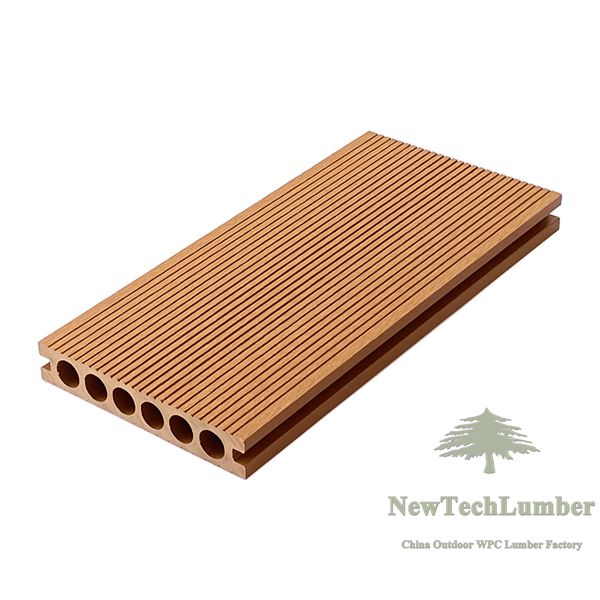
When budgeting for decking materials, it is essential to account for additional costs beyond the price of the boards themselves. Installation costs can vary depending on whether you hire a professional or choose to undertake the project as a DIY endeavor. Hiring professionals may increase the overall expense but can save time and ensure the job is done correctly, especially for those with limited experience in construction or outdoor projects.
If opting for a DIY installation, it is crucial to factor in the cost of tools and materials required for the project. Basic installation may require screws, brackets, and other hardware that can add to the total expense. Additionally, consider whether any special tools are needed for cutting or assembling the decking boards. While this approach can save on labor costs, it may also require a significant time investment and additional effort.
Maintenance is another factor that can influence overall costs over time. One of the main advantages of plastic wood decking is its low maintenance requirements compared to traditional wood. Plastic wood does not require regular staining or sealing, which can save time and money in the long run. However, some brands may require occasional cleaning or specific maintenance practices to ensure longevity. Understanding these requirements can help in budgeting for any future expenses related to upkeep.
Another aspect to consider is the warranty and lifespan of the decking boards. Many manufacturers offer warranties ranging from twenty years to a lifetime, which can provide peace of mind for your investment. A longer warranty often indicates higher confidence in the product’s durability and performance. While boards with extended warranties may have a higher upfront cost, they may ultimately be more cost-effective if they last longer and require less maintenance.
To make the most informed decision, it is beneficial to compare prices from various suppliers. Shopping around can help identify the best deals and understand the market rate for different types of plastic wood decking. Online retailers, local home improvement stores, and specialized decking suppliers may offer different prices and promotional deals, allowing for potential savings.
Considering all these factors will provide a clearer picture of the total cost associated with plastic wood decking boards. By understanding the pricing structure, evaluating the various options available, and factoring in installation and maintenance needs, homeowners can create a realistic budget that ensures their decking project is both financially feasible and satisfying in terms of quality and longevity. With careful planning and informed decision-making, investing in plastic wood decking can enhance outdoor living spaces while providing a cost-effective and sustainable solution for years to come.