
Explore Plastic wood decking expansion Options for Your Outdoor Areas
Plastic wood decking is an innovative solution that combines the aesthetics of traditional wood with the durability and low maintenance of synthetic materials. As outdoor spaces continue to gain popularity for recreation and relaxation, exploring expansion options for plastic wood decking becomes crucial for enhancing the functionality and appeal of these areas. By understanding the material production process and the benefits of plastic wood decking, homeowners and landscapers can make informed decisions about their outdoor designs.
Plastic wood decking is manufactured using a blend of recycled plastic and wood fibers, which gives it a unique composition that mimics the appearance of real wood while providing superior performance. The primary raw materials include high-density polyethylene or polypropylene, along with wood flour derived from post-industrial or post-consumer sources. The manufacturing process begins with the careful selection and preparation of these materials, ensuring that they meet specific quality standards.
Once the raw materials are gathered, they are mixed in a controlled environment to achieve the right consistency and properties. The blending process is crucial as it determines the final quality of the plastic wood decking. During this phase, additives such as UV stabilizers and colorants can be incorporated to enhance the material’s resistance to fading and environmental degradation. This ensures that the decking maintains its vibrant appearance for years, even when exposed to harsh weather conditions.
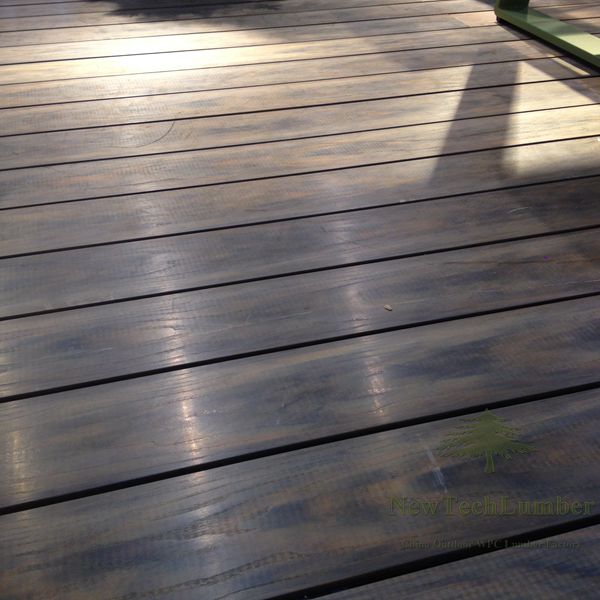
The next step in the production process is extrusion, where the blended material is heated and forced through a mold to create the desired shape of the decking boards. This method not only allows for precise control over the dimensions and profiles of the boards but also ensures a homogeneous distribution of materials, resulting in consistent quality throughout the product. After extrusion, the boards are cooled and cut to the required lengths, ready for further processing.
One of the key advantages of plastic wood decking is its resistance to moisture, insects, and rot, making it an ideal choice for outdoor applications. Unlike traditional wood, which can warp, crack, or splinter over time, plastic wood decking maintains its structural integrity and appearance even in challenging environments. This durability significantly reduces the need for maintenance, allowing homeowners to spend more time enjoying their outdoor spaces rather than worrying about upkeep.
When considering expansion options for plastic wood decking in outdoor areas, it is essential to explore various design and installation possibilities. One popular approach is to create multi-level decks, which can add dimension and functionality to a space. By incorporating steps, railings, and built-in seating areas, homeowners can transform their outdoor living spaces into inviting areas for gatherings and relaxation.
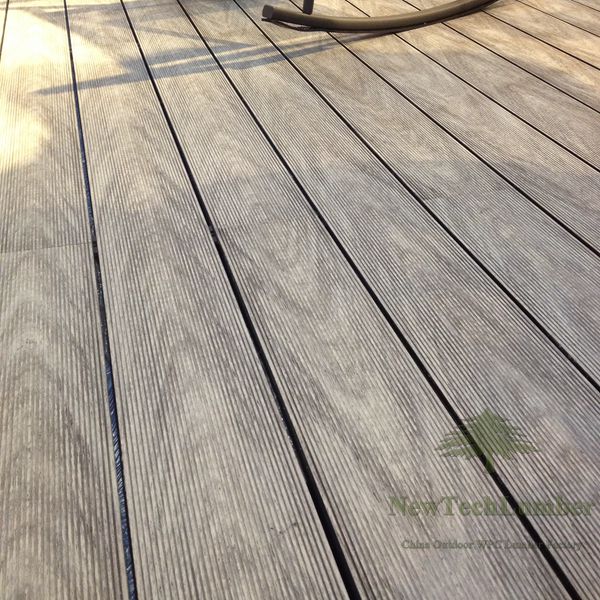
In addition to multi-level designs, integrating plastic wood decking with other outdoor elements can enhance its visual appeal and usability. For instance, combining decking with outdoor kitchens, fire pits, or garden beds can create a cohesive look that ties the entire area together. Furthermore, using plastic wood decking around pools or hot tubs provides a slip-resistant surface that enhances safety while maintaining an elegant aesthetic.
Another option to consider is incorporating lighting solutions into the decking design. LED lighting strips or built-in lights can illuminate pathways, steps, and seating areas, creating a welcoming atmosphere for evening gatherings. This not only enhances the overall functionality of the space but also adds an extra layer of safety for nighttime use.
Sustainability is an increasingly important factor in material selection for outdoor projects. Plastic wood decking is often produced from recycled materials, making it an environmentally friendly choice compared to traditional wood products. By opting for plastic wood decking, homeowners can contribute to reducing waste and promoting sustainable practices in their outdoor renovations.
Additionally, the longevity of plastic wood decking means that it does not require frequent replacement, further reducing its environmental impact over time. When planning for expansion, it is essential to consider the lifecycle of materials used and the overall sustainability of the chosen options.
As outdoor spaces evolve into extensions of the home, the demand for versatile and durable decking solutions will continue to grow. By exploring plastic wood decking expansion options, homeowners can create outdoor areas that are not only visually appealing but also functional and sustainable. The unique production process and benefits of plastic wood decking position it as a leading choice for enhancing outdoor living experiences. With careful planning and creative design, these spaces can become cherished areas for relaxation and entertainment for years to come.