
Reliable WPC Fence Options for Your Property
When considering options for fencing your property, many homeowners are leaning towards wood-plastic composites, commonly known as WPC. This innovative material combines the natural appearance of wood with the durability and maintenance-free benefits of plastic. The manufacturing process of WPC plays a crucial role in determining the performance, longevity, and aesthetic appeal of the fencing options available. Understanding this process can help you make an informed choice when selecting a reliable WPC fence for your property.
The production of WPC begins with the careful selection of raw materials. Typically, wood fibers derived from sawmill residues, wood chips, or even recycled wood are combined with thermoplastics such as polyethylene or polypropylene. The choice of materials is vital, as it directly influences the physical properties of the final product. High-quality wood fibers provide strength and rigidity, while durable plastics contribute to the resistance against moisture, rot, and insects. This combination results in a material that not only looks great but also stands up to the elements.
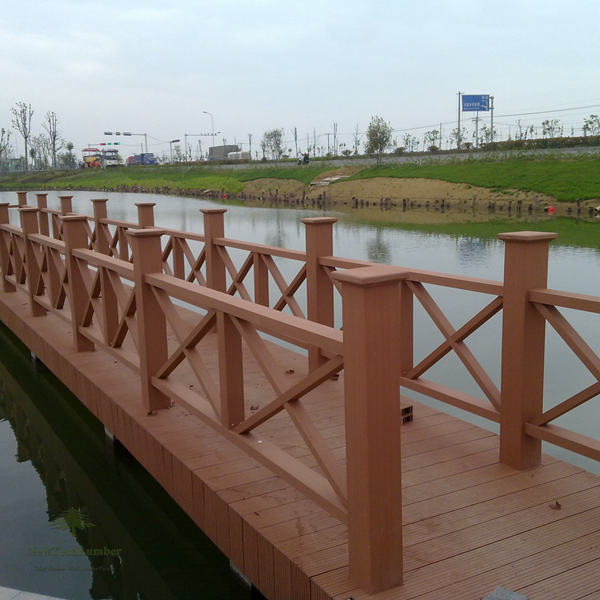
Once the raw materials are selected, the manufacturing process involves several key steps. The first step is the compounding phase, where wood fibers and plastics are mixed together in a specific ratio. This mixture is then subjected to heat and pressure to create a homogenous material. The compounding process is critical, as it ensures that the wood fibers are evenly dispersed within the plastic matrix. This uniform distribution enhances the structural integrity of the WPC, leading to a more durable and reliable fence.
Following compounding, the material undergoes an extrusion process. During extrusion, the molten WPC is forced through a specially designed die that shapes it into long profiles suitable for fencing. This step is essential for achieving the desired dimensions and surface finish of the fence boards. The extrusion process allows for a wide variety of shapes and sizes, providing homeowners with flexibility in design. Additionally, manufacturers can incorporate various textures and colors during this phase, enabling the creation of aesthetically pleasing fencing options that can complement any property style.
After extrusion, the WPC boards are cooled and cut to the appropriate lengths. Quality control is paramount at this stage, as manufacturers must ensure that all products meet stringent standards for strength and appearance. This often involves rigorous testing of mechanical properties, such as tensile strength and flexibility, as well as visual inspections to check for any defects or inconsistencies. By maintaining high quality throughout the manufacturing process, producers can offer consumers a reliable product that will stand the test of time.
Another critical aspect of WPC fencing production is the addition of additives. These can include UV stabilizers, colorants, and anti-fungal agents. UV stabilizers are essential for protecting the material from sun damage, which can cause fading and brittleness over time. The incorporation of colorants allows for a range of aesthetic choices that can mimic traditional wood finishes or offer more contemporary looks. Anti-fungal agents are added to inhibit mold and mildew growth, providing further protection against moisture-related issues. These additives not only enhance the longevity of the fence but also contribute to its overall performance in various environmental conditions.
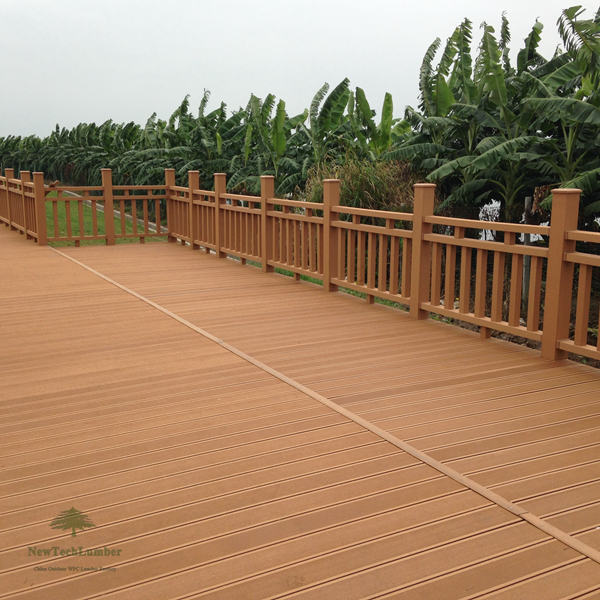
The sustainability aspect of WPC production should not be overlooked. Many manufacturers are increasingly turning to recycled materials, both in terms of wood and plastics. This not only reduces waste but also lowers the environmental impact associated with traditional fencing materials. The use of recycled content in WPC production is an appealing factor for environmentally conscious homeowners who wish to minimize their carbon footprint while still enjoying the benefits of a durable and attractive fence.
Installation of WPC fences is another consideration that ties back to the material’s production process. Due to the uniformity and precision of extruded WPC boards, installation is generally straightforward. Most fences come with pre-drilled holes for easy assembly, and the lightweight nature of the material makes handling and positioning manageable for DIY enthusiasts. This ease of installation can lead to reduced labor costs if you choose to hire professionals, as they can complete the job more efficiently.
In choosing a reliable WPC fence, it is important to consider not just the aesthetic appeal and initial cost but also the long-term benefits associated with the manufacturing process. High-quality production ensures that the materials will withstand the rigors of the environment while requiring minimal maintenance over time. By understanding the intricacies of WPC production—from raw material selection to the addition of protective additives—homeowners can make informed decisions about their fencing options.
Ultimately, investing in a WPC fence is a commitment to both style and durability. With advancements in manufacturing techniques and materials, modern WPC fences offer an attractive alternative to traditional wood or vinyl options. These fences not only enhance the curb appeal of your property but also provide a sustainable solution that will last for years to come. As you explore your fencing options, consider how the reliability of WPC can add value to your home while ensuring that your outdoor space remains both beautiful and functional.