
Co Extrusion Decking for Enhanced Durability and Style
Co-extrusion decking has emerged as a revolutionary solution in the construction and landscaping sectors, particularly for outdoor applications. This technology combines a durable core material with a protective outer layer, resulting in a product that not only enhances durability but also elevates aesthetic appeal. As the demand for sustainable and long-lasting materials continues to rise, it is essential to explore the global capacity distribution and pricing advantages associated with co-extrusion decking.
The global production landscape for co-extrusion decking is characterized by diverse geographical distribution and a growing number of manufacturers. Countries such as the United States, China, and Germany are at the forefront of co-extrusion technology, investing heavily in research and development to expand their production capabilities. The United States has a well-established market for composite decking, which has seen continuous growth due to increasing consumer awareness of the benefits of low-maintenance materials. Companies in this region are leveraging advanced manufacturing techniques to produce high-quality co-extrusion decking that meets rigorous standards.
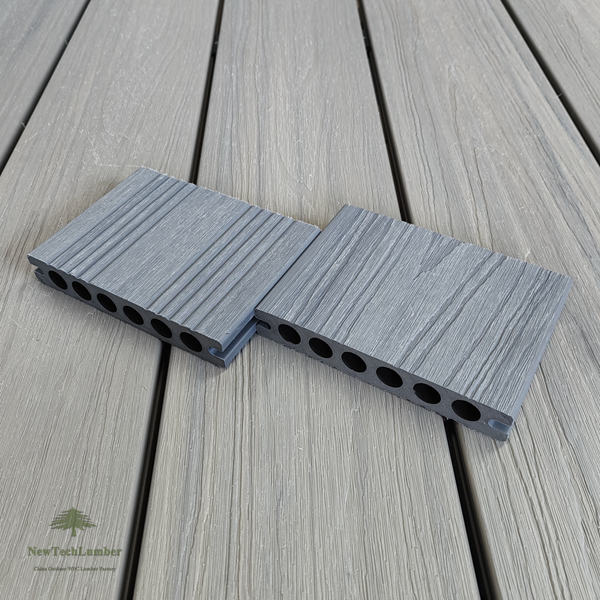
China, on the other hand, has rapidly emerged as a manufacturing powerhouse. The country benefits from cost-effective labor and an abundance of raw materials, which significantly reduces production costs. Chinese manufacturers have invested heavily in modernizing their facilities to ensure they can produce co-extrusion decking that meets international quality standards. This has allowed them to penetrate global markets effectively, offering competitive pricing that appeals to both wholesalers and retailers. As a result, Chinese co-extrusion decking products have gained popularity in various regions, including North America and Europe.
Germany’s focus on innovation and sustainability has positioned it as a key player in the co-extrusion decking market. With stringent environmental regulations, German manufacturers are at the forefront of producing eco-friendly decking solutions. They emphasize the use of recycled materials, ensuring that their products not only meet durability standards but also contribute to a sustainable future. As European consumers increasingly prioritize environmentally responsible products, German companies are well-equipped to meet this demand, further enhancing their market position.
The pricing advantages associated with co-extrusion decking are significant and contribute to its growing popularity. The initial cost of co-extrusion decking may be higher than traditional wood or basic composite options; however, the long-term value is undeniable. The durability of co-extrusion products means they are resistant to fading, scratching, and staining, which ultimately reduces the need for frequent replacements and maintenance. This aspect becomes particularly appealing to homeowners and businesses looking to minimize long-term costs.
Moreover, the availability of co-extrusion decking at various price points allows consumers to select products that fit their budget while still benefiting from the enhanced performance these materials offer. Manufacturers are increasingly adopting efficient production techniques, which can result in lower operational costs. These savings can be passed on to consumers, making co-extrusion decking an attractive option for those looking to invest in high-quality outdoor solutions without breaking the bank.
The aesthetic versatility of co-extrusion decking further enhances its market appeal. With advancements in technology, manufacturers can produce a wide range of colors, textures, and finishes that mimic the appearance of natural wood. This allows consumers to achieve the desired look for their outdoor spaces without compromising on durability. The ability to customize designs means that co-extrusion decking can cater to various architectural styles and personal preferences, making it suitable for residential and commercial applications alike.
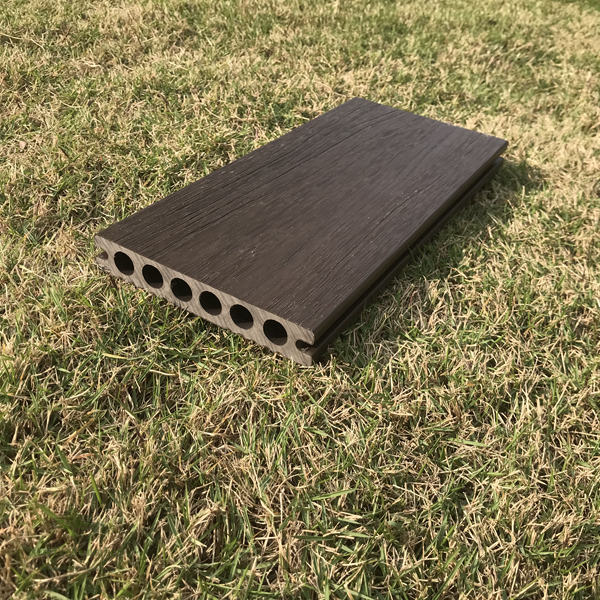
As the demand for co-extrusion decking continues to rise, manufacturers are also focusing on innovation and product development. The introduction of new colors, finishes, and even integrated lighting options are just a few examples of how the industry is evolving. These innovations not only enhance the aesthetics of outdoor spaces but also provide additional functionalities that cater to modern lifestyle demands.
The global distribution of production facilities for co-extrusion decking is expected to grow, driven by increasing demand and advancements in manufacturing technology. As more companies enter the market, competition will likely intensify, leading to further innovations and improvements in product quality. This competitive landscape will be beneficial for consumers, as they will have access to a wider variety of options at different price points.
In the context of sustainability, co-extrusion decking stands out as a responsible choice for environmentally conscious consumers. The ability to incorporate recycled materials into production processes aligns with global efforts to reduce waste and promote sustainable practices. As awareness of environmental issues grows, so does the demand for products that support a greener future.
The combination of enhanced durability, aesthetic appeal, and competitive pricing positions co-extrusion decking as a leading choice for outdoor applications. As the industry continues to evolve, it will be exciting to see how global capacity distribution and pricing strategies adapt to meet the changing needs and preferences of consumers around the world. The future of outdoor living spaces is undoubtedly bright with the ongoing advancements in co-extrusion decking technology.