
When considering outdoor living spaces, composite decking has emerged as a popular choice due to its durability and aesthetic appeal. Among the many brands available in the market, Veranda composite decking stands out for its innovative production process and the quality of materials used. Understanding the manufacturing techniques behind Veranda composite decking can help consumers make informed decisions when selecting materials for their decking projects.
Veranda composite decking is primarily made from a blend of recycled wood fibers and plastic, which is a defining characteristic of composite materials. This combination not only enhances the structural integrity of the decking but also contributes to its eco-friendly appeal. The production process begins with the careful selection of raw materials. High-quality recycled wood fibers are sourced from post-consumer waste, which helps reduce the environmental impact associated with traditional lumber harvesting. The plastic component typically consists of recycled polyethylene, further emphasizing the sustainability aspect of composite decking.
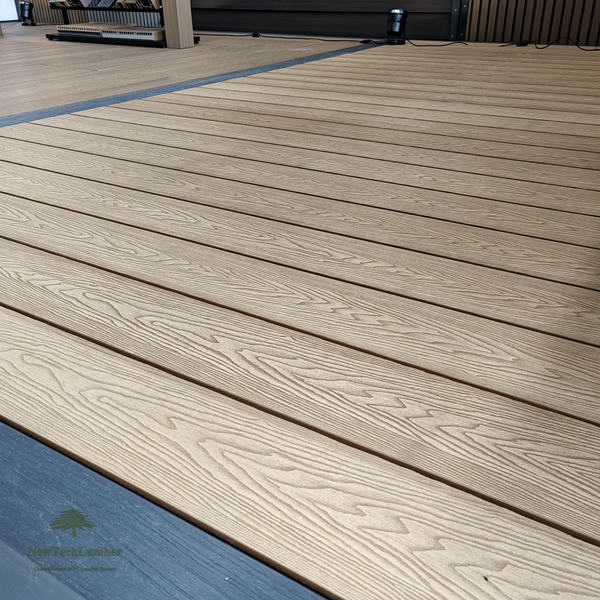
The next phase in the manufacturing process involves the mixing of these materials. The wood fibers are treated to ensure they are free from contaminants and moisture, which can compromise the quality of the final product. Once cleaned, the wood fibers are combined with the recycled plastic in a controlled environment. This mixture is then subjected to a process known as extrusion, where it is heated and forced through a mold to create the desired shape and profile of the decking boards.
Extrusion plays a crucial role in determining the final characteristics of the composite decking. During this process, the mixed materials are heated to a specific temperature, allowing them to bond together effectively. This bonding is essential for enhancing the durability of the boards, making them resistant to warping, splitting, and fading over time. The extrusion process also allows for a variety of finishes and textures to be applied, giving homeowners a wide range of aesthetic options to choose from.
After the extrusion process, the decking boards undergo a cooling phase where they are solidified into their final form. This stage is critical, as it ensures that the boards maintain their shape and structural integrity. Once cooled, the boards are cut to length and undergo quality control inspections to ensure they meet Veranda’s high standards. These inspections focus on various factors, such as dimensional accuracy, surface finish, and overall appearance.
One of the standout features of Veranda composite decking is its innovative capstock technology. The capstock is a protective layer that encases the core of the composite board, providing additional resistance against moisture, stains, and UV rays. This layer is produced using a co-extrusion process, where a thin layer of advanced polymer is applied to the surface of the board during the extrusion process. This not only enhances the durability of the decking but also improves its aesthetic appeal, as it can mimic the look of natural wood while offering superior performance.
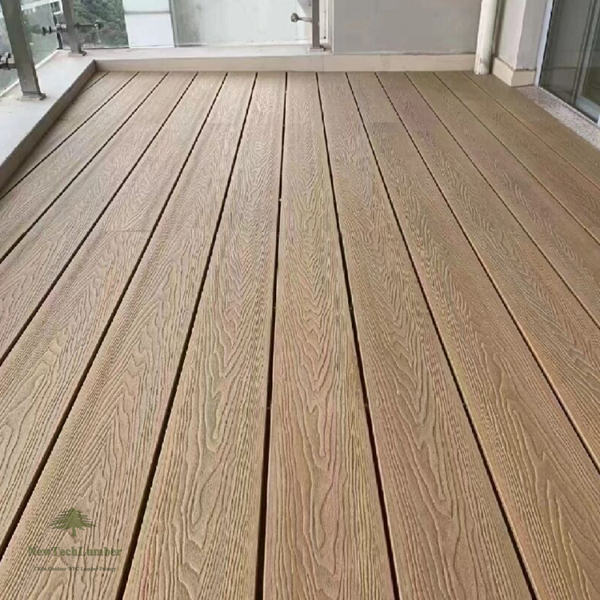
The manufacturing process of Veranda composite decking is designed with longevity in mind. The materials are engineered to withstand the rigors of outdoor exposure, including extreme weather conditions and heavy foot traffic. Homeowners can enjoy peace of mind knowing that their decking will retain its appearance and functionality for years to come with minimal maintenance.
In addition to its impressive durability, Veranda composite decking is also designed to be easy to install. The boards are manufactured with a tongue-and-groove system that allows for seamless connections between planks, reducing gaps and enhancing the overall appearance of the deck. This design feature simplifies the installation process, making it an attractive option for DIY enthusiasts and professional builders alike.
As consumers become increasingly aware of the environmental impact of their choices, Veranda’s commitment to sustainability through the use of recycled materials sets it apart in the composite decking market. This eco-friendly approach not only appeals to environmentally conscious homeowners but also contributes to a circular economy by repurposing materials that would otherwise end up in landfills.
In choosing Veranda composite decking, homeowners are opting for a product that combines advanced manufacturing techniques with sustainable practices. The result is a decking solution that not only looks great but also stands the test of time, making it a wise investment for enhancing outdoor living spaces. By understanding the production process behind Veranda composite decking, consumers can make informed choices that reflect their values and meet their needs for durability and style in their outdoor environments.