
Creating unique wall designs has become an essential aspect of interior aesthetics, and Wood Plastic Composite (WPC) panels have emerged as a popular choice in this domain. WPC panels combine the natural beauty of wood with the durability and versatility of plastic, resulting in a material that is not only visually appealing but also functional. The global distribution of production capacity and the price advantages associated with WPC panels play a significant role in their growing popularity among designers, architects, and homeowners.
The global production capacity of WPC panels has expanded significantly in recent years, driven by increasing demand for sustainable building materials. Major manufacturing hubs have emerged in regions such as Asia, North America, and Europe. Countries like China and India have become leading producers, leveraging their vast resources and lower labor costs to create high-quality WPC panels at competitive prices. This distribution of production capacity allows for a steady supply of WPC materials to meet the needs of various markets, facilitating innovative wall design solutions across different regions.
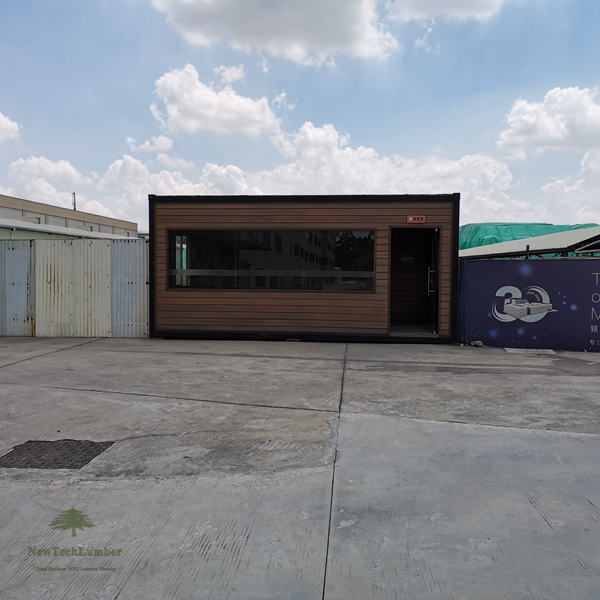
The increasing awareness of environmental sustainability has also fueled the growth of WPC panel production. As consumers become more environmentally conscious, manufacturers have adopted eco-friendly practices, utilizing recycled materials in the production process. This not only reduces waste but also appeals to a market segment that prioritizes sustainability in their purchasing decisions. The accessibility of WPC panels from various global manufacturers means that designers can source these materials locally while minimizing their carbon footprint.
Price advantages are another critical factor contributing to the popularity of WPC panels in wall design. Compared to traditional materials like solid wood or natural stone, WPC panels offer a more cost-effective solution without compromising on aesthetics or quality. The initial investment in WPC panels is often lower, and their durability ensures that they require less maintenance over time. This cost efficiency makes WPC panels an attractive option for both residential and commercial projects.
Moreover, the versatility of WPC panels in design applications adds to their appeal. Available in various colors, textures, and finishes, these panels can mimic the look of traditional wood or stone while providing the benefits of modern manufacturing techniques. Designers can create unique wall designs that cater to diverse tastes and preferences. Whether it is for a contemporary urban apartment or a rustic country home, WPC panels can be tailored to fit any style.
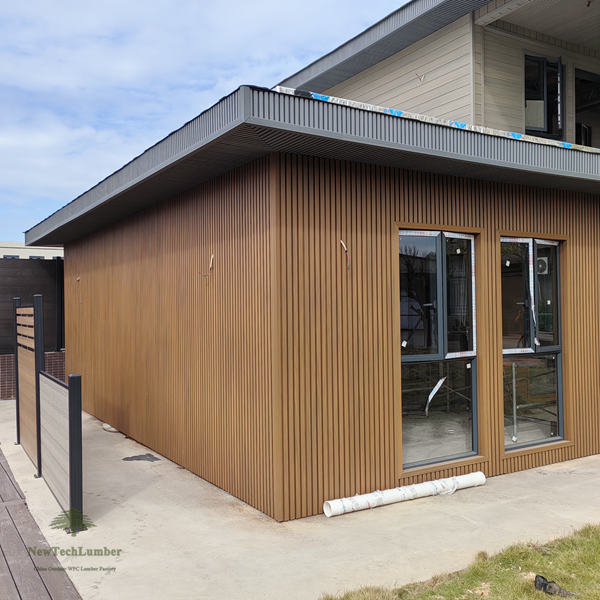
The ability to create unique wall designs with WPC panels extends beyond aesthetics. These panels are also engineered to be resistant to moisture, insects, and UV degradation, making them suitable for a variety of environments, including high-humidity areas like bathrooms or outdoor spaces. This resilience enhances their longevity and ensures that the beauty of the wall design remains intact over time.
Another noteworthy aspect is the ease of installation associated with WPC panels. Many manufacturers provide panels that are designed for straightforward installation, reducing labor costs and project timelines. This factor is particularly appealing to builders and contractors who seek efficient solutions to meet tight deadlines or budget constraints. The straightforward installation process allows for greater creativity in design without the added complexity of traditional construction methods.
In addition to their functional benefits, WPC panels can also contribute to improved indoor air quality. Many WPC products are designed to be low in volatile organic compounds (VOCs), which can be harmful to health. By choosing WPC panels, designers can create beautiful spaces that are not only visually striking but also promote a healthier living environment.
As the market for WPC panels continues to grow, innovations in technology and materials science will likely lead to even more advancements in design and functionality. Manufacturers are exploring new formulations and production techniques that enhance the properties of WPC, making it an even more attractive option for wall designs. The future of WPC panels in the interior design landscape looks promising, with ongoing developments aimed at meeting the evolving needs of consumers and designers alike.
By leveraging the global production capabilities and cost advantages of WPC panels, designers can explore endless possibilities in wall design. The combination of aesthetic appeal, durability, and sustainability positions WPC panels as a leading choice for those looking to create unique and stunning interiors. As trends in design continue to evolve, the role of innovative materials like WPC will undoubtedly be pivotal in shaping the future of interior aesthetics.