
Quality WPC Decking UK Options for Stylish Outdoor Spaces
When it comes to enhancing outdoor spaces, quality wood-plastic composite (WPC) decking has emerged as a popular choice in the United Kingdom. This material combines the best of both worlds, marrying the aesthetic appeal of natural wood with the durability and low maintenance requirements of synthetic materials. Understanding the production processes involved in creating WPC decking can shed light on why it has become a favored option for stylish outdoor environments.
WPC is primarily composed of two materials: wood fibers and thermoplastic resins. The production process begins with the careful selection of wood fibers, which can come from recycled wood or virgin wood sources. The choice of wood type can greatly influence the final product, as different woods offer varying levels of durability, appearance, and resistance to environmental factors. Common choices include hardwoods like oak and softwoods like pine, each providing distinct visual and tactile qualities.
Once the wood fibers are selected, they undergo a drying process to reduce moisture content. This step is crucial because excess moisture can lead to mold growth and compromise the integrity of the decking material. After drying, the wood fibers are ground into a fine powder, which allows for a uniform mix with the thermoplastic resins that will bind the material together.
The thermoplastics used in WPC decking often consist of polyethylene, polypropylene, or polyvinyl chloride (PVC). These resins are chosen not only for their binding properties but also for their resistance to weathering, UV rays, and chemical exposure. The combination of wood fibers and thermoplastics is then mixed to create a homogenous material known as composite lumber.
The next step in the production process is extrusion. During this phase, the composite material is heated and forced through a shaped die to create long boards of decking. This method allows for a variety of profiles and textures that can mimic the appearance of traditional wood decking. Some manufacturers may also incorporate additives during this stage to enhance the product’s color, texture, or resistance to pests and fungi.
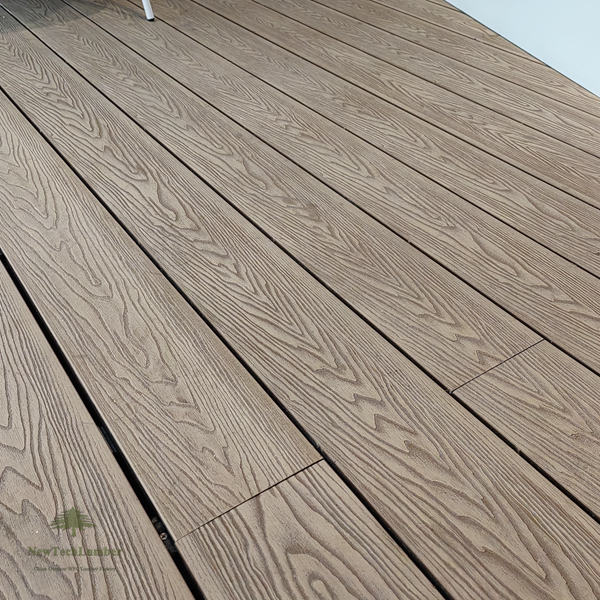
After extrusion, the boards are cooled and cut to length. The surface of the decking can be treated to achieve a desired finish, whether that be a smooth or embossed texture. Textured surfaces not only enhance the aesthetic appeal but also provide improved slip resistance, making WPC decking a safer choice for outdoor environments.
Quality control is a critical aspect of the production process. Manufacturers often conduct rigorous testing to ensure that the WPC decking meets industry standards for durability, impact resistance, and environmental performance. This includes assessing how well the material withstands exposure to moisture and UV light, as well as conducting tests to ensure that the decking does not warp or splinter over time.
Sustainability is increasingly becoming a focal point in the production of WPC decking. Many manufacturers are now sourcing recycled materials for their products, contributing to a circular economy that reduces waste and environmental impact. The use of reclaimed wood fibers not only lowers the demand for virgin resources but also enhances the appeal of WPC decking for environmentally conscious consumers.
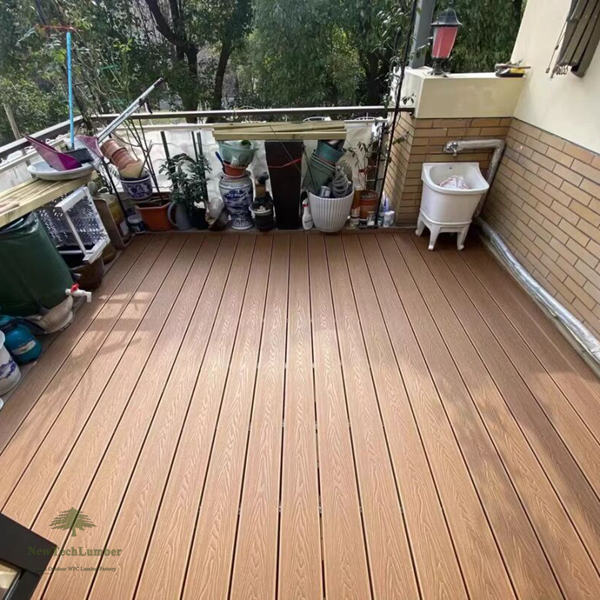
In terms of application, WPC decking offers versatility in design. Its range of colors and textures allows homeowners and designers to achieve various styles, from contemporary to rustic. The ability to use WPC decking in a variety of outdoor settings, such as patios, pool areas, and garden pathways, makes it a practical choice for enhancing outdoor aesthetics.
Maintenance is another strong point in favor of WPC decking. Unlike traditional wood, which requires regular staining and sealing to maintain its appearance and longevity, WPC decking is designed to be low-maintenance. It is resistant to fading, staining, and mold growth, requiring only simple cleaning with soap and water to keep it looking new. This ease of maintenance appeals to homeowners who desire beautiful outdoor spaces without the burden of extensive upkeep.
In the UK market, the demand for quality WPC decking continues to grow, driven by its attractive features and sustainable production practices. As consumers increasingly seek stylish and functional outdoor solutions, WPC decking stands out as a top contender. Its unique combination of durability, aesthetic appeal, and low maintenance requirements positions it as a leading choice for anyone looking to elevate their outdoor spaces.
As the industry evolves, innovations in material science and production techniques will likely lead to even more enhanced options for WPC decking. This could include improvements in color retention, texture variations, and sustainability practices, ensuring that WPC remains at the forefront of outdoor living solutions for years to come.