
Durable WPC Wall Cladding Wood Composite for Lasting Beauty
The growing popularity of wall cladding has led to the development of innovative materials that combine aesthetics with functionality. Among these, Wood Plastic Composite (WPC) wall cladding has emerged as a favored choice for both residential and commercial applications. WPC offers a unique blend of wood’s natural beauty and the durability of synthetic materials, making it an ideal solution for those seeking lasting elegance in their spaces.
WPC wall cladding is made from a combination of wood fibers and plastic, which results in a material that is resistant to moisture, insects, and decay. This durability is one of the primary reasons why WPC has gained traction in the construction industry. Unlike traditional wood cladding, which can warp, crack, or fade over time, WPC maintains its structural integrity and appearance for years. This makes it an attractive option for regions with varying weather conditions, as it can withstand heavy rain, intense sunlight, and fluctuating temperatures without significant deterioration.
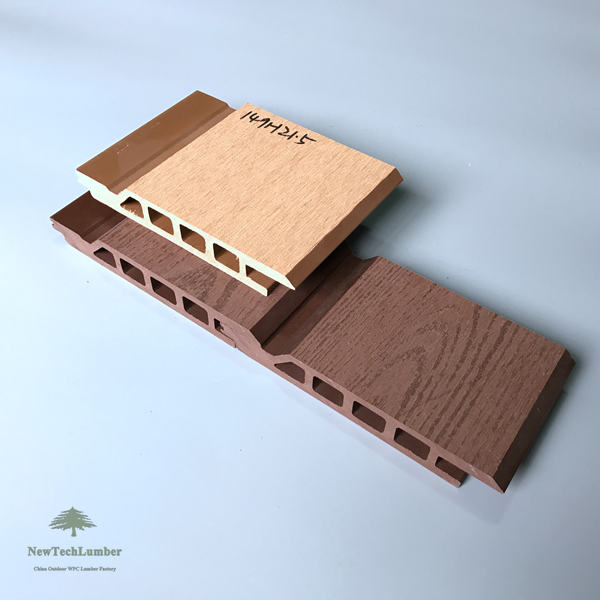
Installation of WPC wall cladding is a straightforward process that can be completed with relative ease. The lightweight nature of the material allows for simpler handling and transportation compared to traditional wood. It is essential to prepare the wall surface properly before installation to ensure a secure fit. This includes checking for any protrusions or imperfections that may affect the cladding’s adhesion. The wall should also be clean and dry to facilitate optimal bonding.
For installation, a variety of methods can be employed, including direct fastening, hidden fastening systems, or clips. Direct fastening involves securing the cladding panels to the wall using screws or nails. This method provides a strong hold but may be visible on the surface. Hidden fastening systems allow for a cleaner aesthetic, as the fasteners are concealed within the grooves of the panels, resulting in a seamless appearance. Clips can also be utilized to attach the panels, offering flexibility in alignment and spacing.
Proper spacing is critical during installation to accommodate the natural expansion and contraction of the WPC material due to temperature changes. It is advisable to leave gaps between the panels to ensure airflow and prevent moisture buildup. Additionally, following the manufacturer’s guidelines for installation will help in achieving the best results and ensuring warranty coverage.

Maintenance of WPC wall cladding is another area where it excels compared to traditional wood options. One of the most significant advantages of WPC is its low maintenance requirements. Unlike wood, which often needs periodic staining, sealing, or painting, WPC retains its color and texture with minimal intervention. Regular cleaning with soap and water is generally sufficient to keep the panels looking fresh. For tougher stains or dirt, a soft brush or pressure washer can be used, but caution is advised to avoid damaging the surface.
Another aspect of maintenance involves inspecting the panels periodically for any signs of wear or damage. While WPC is designed to be resilient, it is still essential to monitor for any potential issues that may arise, such as scratches or impacts from external sources. If any damage occurs, most manufacturers provide repair kits that can be used to restore the panels to their original condition.
In terms of aesthetics, WPC wall cladding offers a wide range of design options. Available in various colors, textures, and finishes, it can complement any architectural style or interior design theme. Whether one prefers the look of traditional wood grain or a more modern, sleek appearance, there is a WPC option to suit diverse tastes. This versatility extends to both indoor and outdoor applications, allowing homeowners and business owners to create cohesive designs throughout their spaces.
Sustainability is also an essential factor in the appeal of WPC wall cladding. With growing concerns about deforestation and environmental impact, WPC provides a more sustainable alternative to traditional wood products. Many manufacturers use recycled materials in the production of WPC, which reduces waste and promotes eco-friendly practices. By choosing WPC, consumers can enjoy the beauty of wood while making a more responsible choice for the environment.
Incorporating WPC wall cladding into a building project can enhance both its aesthetic appeal and long-term performance. The combination of durability, ease of installation, and minimal maintenance makes WPC an advantageous choice for anyone looking to invest in quality materials. With the right care and attention during the installation process, WPC wall cladding can provide lasting beauty and functionality, contributing to the overall value and enjoyment of a property. Embracing this innovative material not only elevates design but also aligns with modern sustainability goals, making it a forward-thinking choice for today’s discerning consumers.