
Quality Wood cladding for walls that Adds Character to Your Interiors
Quality wood cladding for walls has become increasingly popular in interior design, serving not only as a functional element but also as a way to infuse character and warmth into living spaces. The aesthetic appeal of wood, combined with its versatility, makes it an ideal choice for a variety of settings, from contemporary urban apartments to rustic country homes. As consumers become more discerning about their interior choices, the demand for high-quality wood cladding has seen a significant rise. Understanding the global distribution of wood production and the implications of pricing can provide valuable insights for homeowners and designers alike.
Wood cladding offers a unique charm that can transform an ordinary room into an inviting retreat. The natural grains, textures, and colors found in wood add depth and character, allowing for a wide range of design possibilities. Whether it is the rich hues of oak, the striking patterns of walnut, or the unique knots of pine, each type of wood brings its own personality to an interior space. This flexibility makes wood cladding suitable for various design themes, from minimalist to eclectic, enabling homeowners to express their individual style.
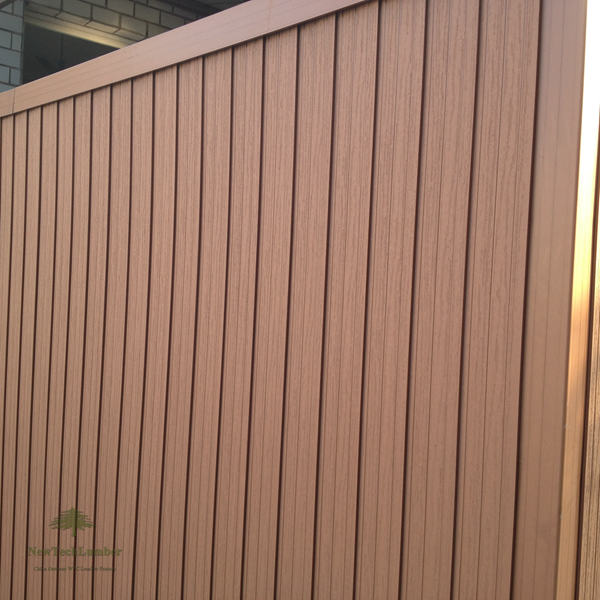
When considering wood cladding, it is essential to take into account the source of the materials. The global distribution of wood production has a significant impact on both availability and pricing. Countries such as Canada, the United States, and various Scandinavian nations are known for their abundant forests and sustainable forestry practices. These regions produce high-quality timber that is sought after worldwide. In contrast, other countries may face challenges related to deforestation, which can lead to stricter regulations and higher costs for sustainably sourced materials.
Pricing for wood cladding can vary significantly based on factors such as the type of wood, the quality of production, and the geographical location of the supplier. Hardwoods, which are often considered premium options due to their durability and aesthetic appeal, tend to command higher prices than softwoods. However, the initial investment in quality wood cladding can pay off in the long run, as it enhances property value and requires less maintenance over time. Additionally, the global market for wood has led to increased competition, enabling consumers to find quality products at various price points.
Sustainability is another aspect that influences both the production and pricing of wood cladding. As environmental concerns continue to rise, many consumers are prioritizing eco-friendly options in their purchasing decisions. Sourcing wood from sustainably managed forests not only contributes to the preservation of natural resources but also supports local economies. Certifications such as the Forest Stewardship Council (FSC) provide assurance that the wood has been harvested responsibly. While sustainably sourced wood may be priced higher due to the costs associated with responsible forestry practices, many find it a worthwhile investment for both ethical and aesthetic reasons.
The rise of technology in the wood industry has also played a role in shaping the availability and pricing of wood cladding. Advanced milling techniques and treatments can enhance the durability and appearance of wood products, allowing for a wider range of finishes and styles. These innovations can lead to increased efficiency in production, potentially lowering costs for consumers. Additionally, the ability to create engineered wood products has made high-quality wood more accessible, allowing for greater design flexibility without compromising on strength or durability.

As homeowners and designers explore the possibilities of wood cladding, it is essential to consider how the selection of materials can impact the overall ambiance of a space. The warmth and texture of wood can create a sense of comfort, making it an ideal choice for living areas, bedrooms, and even commercial spaces. Furthermore, the natural insulation properties of wood can contribute to energy efficiency, making it a practical option as well as an aesthetically pleasing one.
Incorporating wood cladding into interior design is not merely about enhancing visual appeal; it is also about creating a connection to nature. As urban living becomes more prevalent, the desire for natural elements in our environments has grown. Wood serves as a reminder of the outdoors, bringing a sense of calm and tranquility into indoor spaces. This connection can be particularly beneficial in fast-paced urban settings, where the hustle and bustle of everyday life can lead to stress.
The global wood market continues to evolve, with trends leaning toward sustainable practices and quality craftsmanship. As consumers become more educated about the sources and impacts of their materials, the demand for ethically sourced, high-quality wood cladding is likely to increase. This shift not only enhances the aesthetic value of interior spaces but also promotes responsible consumption and environmental stewardship.
Selecting quality wood cladding for walls is an investment that goes beyond mere aesthetics. It reflects a commitment to quality, sustainability, and personal style, enriching interiors with character and warmth. With the right considerations in terms of sourcing, pricing, and design, wood cladding can be a timeless choice that elevates any space while contributing positively to our environment.