
Explore Wood cladding for exterior walls to Enhance Your Home’s Curb Appeal
Wood cladding has gained immense popularity in recent years as a stylish and environmentally friendly option for enhancing the exterior walls of homes. With its natural aesthetic and versatility, wood cladding can significantly elevate a home’s curb appeal, making it a desirable choice for homeowners looking to make a statement. The choice of materials and the production processes involved in wood cladding play a crucial role in determining its quality, appearance, and longevity.
Wood cladding is typically made from various types of timber, each offering unique characteristics. Common choices include cedar, redwood, pine, and oak, among others. Each type of wood brings its own benefits, such as resistance to decay, natural oils that repel insects, and pleasing visual textures. When selecting wood for cladding, it is essential to consider factors like local climate conditions, intended aesthetic, and maintenance preferences. For instance, cedar is well-known for its durability and resistance to moisture, making it suitable for regions with high humidity.
The production process for wood cladding involves several stages, from harvesting the wood to its treatment and finishing. Sustainable sourcing is increasingly becoming a priority for manufacturers, as it ensures that the wood used is obtained from responsibly managed forests. This not only helps in preserving the environment but also appeals to eco-conscious consumers.
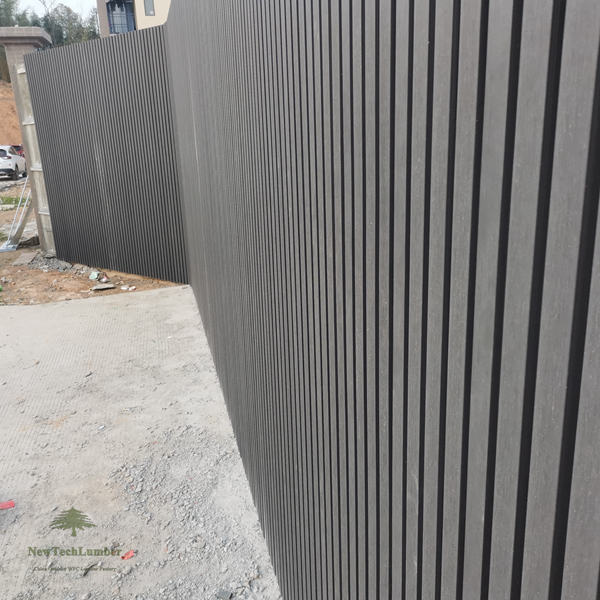
Once the wood is harvested, it undergoes a drying process to reduce its moisture content. Proper drying is crucial as it minimizes the risk of warping and cracking once the cladding is installed. There are two primary methods of drying wood: air drying and kiln drying. Air drying is a natural process that takes longer but can enhance the wood’s character, while kiln drying is a faster method that ensures uniform moisture levels. The choice of drying method can impact the final quality of the wood cladding.
After drying, the wood is cut into specific dimensions and shapes according to design requirements. This step may involve milling to create interlocking profiles that facilitate easy installation. The precision in this phase is essential, as it influences how well the boards fit together, contributing to a seamless and aesthetically pleasing finish.
To enhance the durability of wood cladding, manufacturers often apply treatments that can protect the wood from weathering, insects, and fungal decay. These treatments may include pressure treatment with preservatives or the application of stains and sealants. Stains come in various colors and finishes, allowing homeowners to customize the appearance of their exterior walls while providing a protective layer against UV rays and moisture. Sealants act as a barrier against the elements, extending the lifespan of the wood.
Another significant aspect of wood cladding production is the finishing process. This phase not only involves aesthetic considerations but also functional ones. Finishes can add texture and depth to the wood, enhancing its natural grain. There are options for matte, semi-gloss, or gloss finishes, each providing different visual effects. The choice of finish can also affect maintenance needs; for instance, gloss finishes may require more frequent cleaning to maintain their appearance.
The installation of wood cladding is a critical step that requires careful planning and execution. Proper installation techniques ensure that the cladding performs well and looks great. It is essential to use appropriate fasteners and installation methods that accommodate the natural expansion and contraction of wood due to temperature and humidity changes. Additionally, incorporating proper ventilation and drainage behind the cladding can help prevent moisture buildup, which can lead to decay.
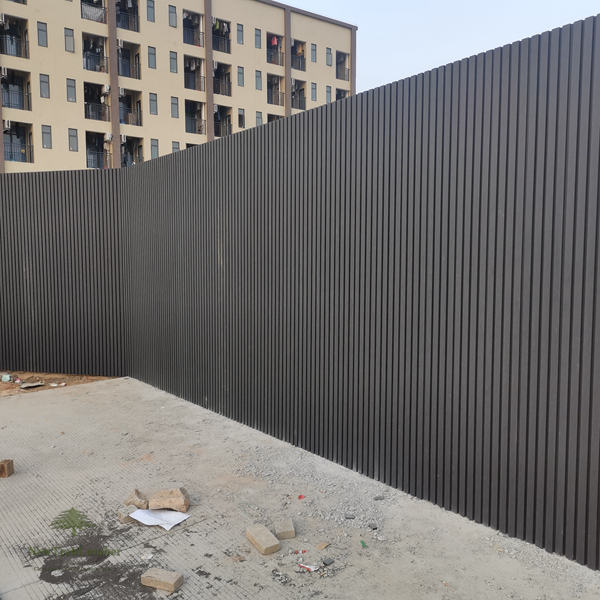
Maintenance is another factor to consider when opting for wood cladding. While wood offers a beautiful and natural look, it does require regular upkeep to maintain its appearance and integrity over time. Homeowners should plan for periodic inspections, cleaning, and reapplication of protective finishes to ensure the cladding remains in optimal condition. The frequency of maintenance will depend on factors such as local weather conditions and the specific type of wood used.
In terms of design, wood cladding can be utilized in various ways to enhance a home’s exterior. It can be used as a primary material for the entire façade or as an accent feature to highlight specific architectural elements. The natural warmth of wood complements various styles, from modern and minimalist to rustic and traditional. Additionally, combining wood cladding with other materials, such as stone or metal, can create a striking contrast that adds visual interest.
The environmental benefits of using wood cladding are also noteworthy. Wood is a renewable resource, and when sourced sustainably, it has a lower carbon footprint compared to synthetic materials. By choosing wood cladding, homeowners can contribute to reducing environmental impact while enjoying a timeless and elegant aesthetic.
Choosing wood cladding for exterior walls is not only a decision rooted in style but also one that involves careful consideration of material production processes. From sustainable sourcing and drying methods to treatments and installation techniques, each aspect plays a pivotal role in creating a product that enhances curb appeal while ensuring durability and longevity. By understanding the intricacies involved in wood cladding production, homeowners can make informed choices that align with their aesthetic desires and environmental values, ultimately transforming their homes into beautiful and inviting spaces.