
Quality Recycled plastic wood decking for Eco-Friendly Outdoor Solutions
Quality recycled plastic wood decking has emerged as a leading solution for eco-friendly outdoor spaces, combining sustainability with durability and aesthetic appeal. This innovative product is gaining traction as both consumers and manufacturers become increasingly aware of the environmental impact of traditional materials. Understanding the production process of recycled plastic wood decking can shed light on its advantages and the role it plays in promoting sustainable living.
The first step in creating high-quality recycled plastic wood decking involves sourcing materials. The primary raw materials used in this process are post-consumer plastics, such as polyethylene and polypropylene. These plastics are collected from recycling programs and waste management facilities. By repurposing these materials, manufacturers significantly reduce the amount of plastic waste that ends up in landfills and oceans. The recycling of plastics not only conserves resources but also minimizes energy consumption compared to producing new materials from virgin sources.
Once the raw materials are gathered, they undergo a rigorous cleaning process to remove contaminants such as dirt, labels, and residues. This step is crucial because any impurities can affect the quality and performance of the final product. The cleaned plastics are then shredded into small flakes or pellets, making them easier to handle and process in subsequent stages.
After shredding, the plastic flakes are subjected to a melting process. This is typically achieved using high-temperature extruders that heat the plastic until it becomes a viscous liquid. During this phase, additives may be introduced to enhance the properties of the decking, such as UV stabilizers to prevent fading and mold inhibitors to resist growth. This careful selection of additives is vital to ensure that the decking can withstand harsh outdoor conditions while maintaining its appearance and functionality over time.
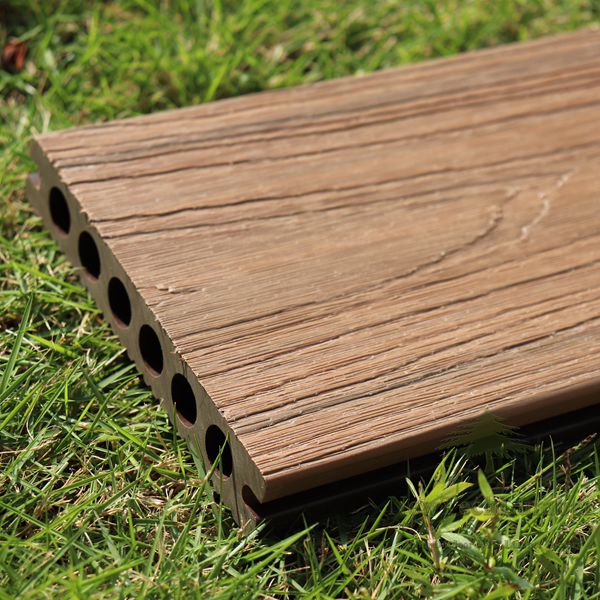
The molten plastic is then mixed with wood fibers or other natural materials. This combination not only creates a visually appealing product that resembles traditional wood but also provides structural benefits. The wood fibers enhance the strength and rigidity of the decking, making it suitable for various applications, from residential patios to commercial boardwalks. Additionally, the use of natural materials contributes to a more sustainable manufacturing process, as it reduces the reliance on purely synthetic components.
Once the mixture is prepared, it is extruded into the desired shape and size. The extrusion process allows for the creation of different profiles and textures, catering to various design preferences. This versatility is one of the key advantages of recycled plastic wood decking, as it can be customized to meet specific aesthetic and functional needs. After extrusion, the decking boards are cooled and cut to length, ready for packaging and distribution.
One of the standout features of recycled plastic wood decking is its low maintenance requirements. Unlike traditional wood, which may require regular sealing, staining, or painting to protect against the elements, recycled plastic wood decking offers a more resilient solution. Its resistance to moisture, rot, and insect damage means that it can retain its appearance and structural integrity without extensive upkeep. This aspect not only saves time and effort for homeowners but also contributes to the long-term sustainability of outdoor spaces.
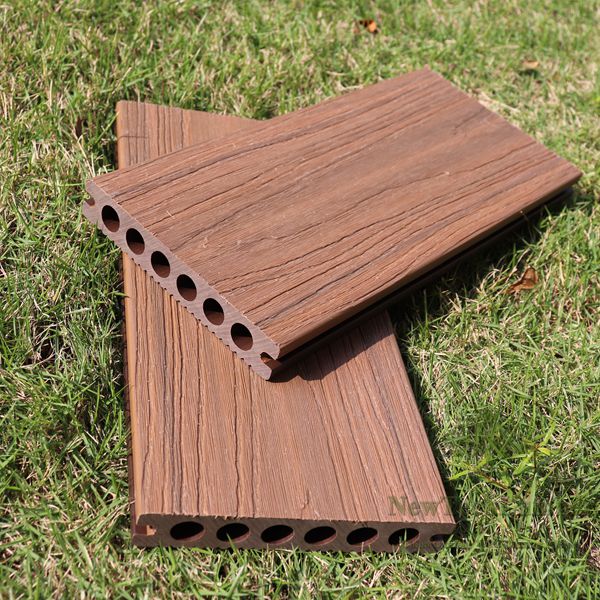
The environmental benefits of using recycled plastic wood decking extend beyond its production process. By choosing this material, consumers are actively participating in the circular economy, where waste is minimized, and resources are reused. The longevity of recycled plastic wood decking means that it does not need to be replaced as frequently as traditional wood, further reducing the consumption of raw materials and energy. Additionally, many manufacturers are committed to using eco-friendly practices throughout their operations, from energy-efficient production methods to sustainable sourcing of materials.
As awareness of environmental issues continues to grow, the demand for eco-friendly outdoor solutions like recycled plastic wood decking is expected to rise. Homeowners, contractors, and architects are increasingly recognizing the importance of sustainable materials in creating outdoor spaces that are not only functional but also environmentally responsible. The combination of aesthetics, durability, and minimal environmental impact makes recycled plastic wood decking an attractive option for various applications.
Incorporating quality recycled plastic wood decking into outdoor design not only enhances the visual appeal of a space but also aligns with a commitment to sustainability. As manufacturers continue to innovate and improve production techniques, the future of recycled plastic wood decking looks promising. This material represents a significant step toward reducing our reliance on virgin resources while providing durable and attractive solutions for outdoor environments. Embracing such eco-friendly options is essential in building a more sustainable future for generations to come.