
Durable Recycled wood decking boards for Sustainable Outdoor Living
Durable recycled wood decking boards have emerged as a popular choice for sustainable outdoor living, addressing both environmental concerns and consumer demand for high-quality materials. The global distribution of production capacity for these products, coupled with varying price advantages, has significantly influenced the market dynamics for recycled wood decking boards.
The manufacturing of recycled wood decking is largely driven by the widespread availability of raw materials, including reclaimed wood and wood waste from various industries. Countries with a strong history of timber production, such as the United States, Canada, and several European nations, are leading the charge in recycled wood decking manufacturing. In the United States, for instance, states like Oregon and Washington are not only rich in forestry resources but also have established facilities dedicated to recycling wood. These facilities process discarded wood from construction sites, old decks, and furniture, transforming them into high-quality decking boards. This local sourcing of materials not only reduces transportation costs but also minimizes the carbon footprint associated with producing new wood products.
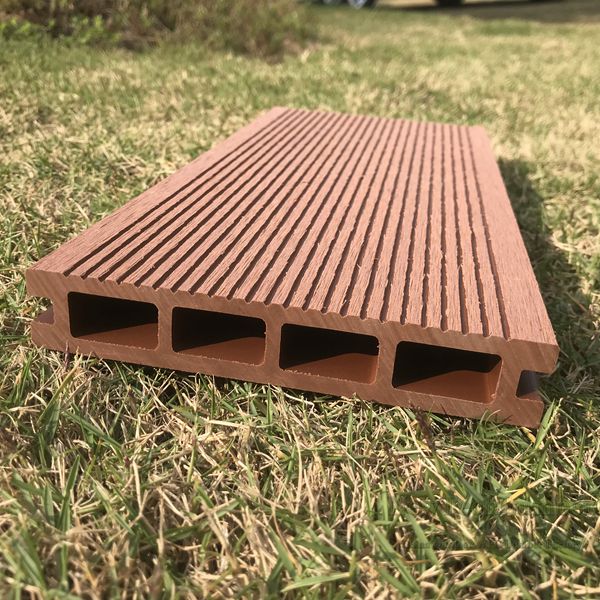
In Europe, countries like Sweden and Finland are also at the forefront of sustainable wood production. These nations have stringent regulations concerning logging practices and emphasize the importance of recycling wood to promote sustainability. The combination of advanced recycling technologies and a commitment to environmental preservation has made Europe a significant player in the production of durable recycled wood decking boards. The European market is also characterized by a growing awareness among consumers regarding sustainability, leading to increased demand for eco-friendly building materials.
As production capacity expands globally, price advantages become increasingly significant. In areas where wood waste is abundant, such as in regions with extensive construction and demolition activities, the cost of raw materials for recycled wood decking can be quite low. This availability allows manufacturers to offer competitive pricing while maintaining high standards of quality. In contrast, regions that rely heavily on the importation of raw materials may face higher costs, impacting the final pricing of recycled wood products.
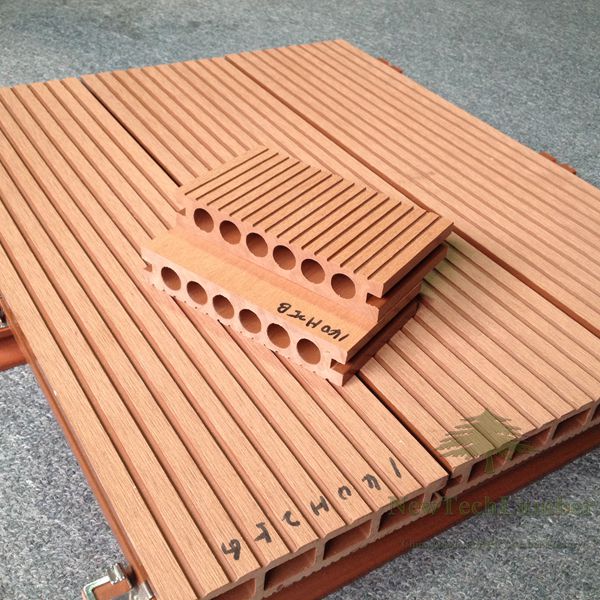
Additionally, fluctuations in the prices of virgin wood products, driven by factors such as deforestation, climate change, and international trade policies, can create opportunities for recycled wood decking manufacturers. As the cost of new wood rises, consumers often seek more affordable alternatives, leading to increased interest in recycled options. This dynamic presents a significant market opportunity for companies that prioritize sustainability in their production processes.
The price advantages of recycled wood decking are also influenced by government incentives and subsidies aimed at promoting sustainable building practices. In many countries, initiatives encouraging the use of recycled materials in construction projects can reduce overall costs for builders and developers. These incentives may include tax breaks, grants, or even reduced permit fees for projects that incorporate eco-friendly materials. As a result, builders are more likely to choose durable recycled wood decking over traditional options, further driving demand in the market.
Beyond the economic aspects, the societal trend toward sustainability is reshaping consumer preferences. Homeowners are increasingly aware of their environmental footprint and are seeking materials that reflect their values. This shift is evident in the growing popularity of outdoor living spaces where durable and sustainable materials are essential. Recycled wood decking boards not only offer aesthetic appeal but also provide the durability needed to withstand the elements over time. The ability to combine beauty with sustainability makes these products particularly attractive to environmentally conscious consumers.
Furthermore, innovations in technology have enhanced the quality and durability of recycled wood decking boards. Manufacturers are employing advanced treatments and coatings to improve resistance to moisture, insects, and UV exposure. These enhancements ensure that recycled wood decking can compete effectively with traditional wood products, offering long-lasting performance without compromising on sustainability.
The global market for durable recycled wood decking boards is poised for significant growth as more consumers and builders recognize the benefits of sustainable materials. The combination of favorable production capacity distribution, competitive pricing, and increasing consumer demand lays a strong foundation for the continued expansion of this market segment. As awareness of environmental issues continues to rise, and as technology advances further, recycled wood decking will likely become a standard choice for outdoor living projects around the world.
By choosing durable recycled wood decking boards, consumers not only contribute to the reduction of waste but also support a sustainable future. This choice resonates with a growing ethos of responsibility and care for the environment, making recycled wood an attractive option for modern outdoor living. As the industry evolves, the emphasis on sustainability will only continue to grow, ensuring that durable recycled wood decking boards remain at the forefront of eco-friendly building materials.