
Outdoor WPC: Enjoy the Benefits of Weather-Resistant and Low-Maintenance Decking
Outdoor Wood Plastic Composite, commonly referred to as WPC, has rapidly gained popularity as a preferred material for decking solutions. This surge in demand can be attributed to its unique combination of aesthetic appeal, durability, and low maintenance requirements. Understanding the production processes involved in creating WPC can provide insights into its advantages and the reasons behind its widespread use.
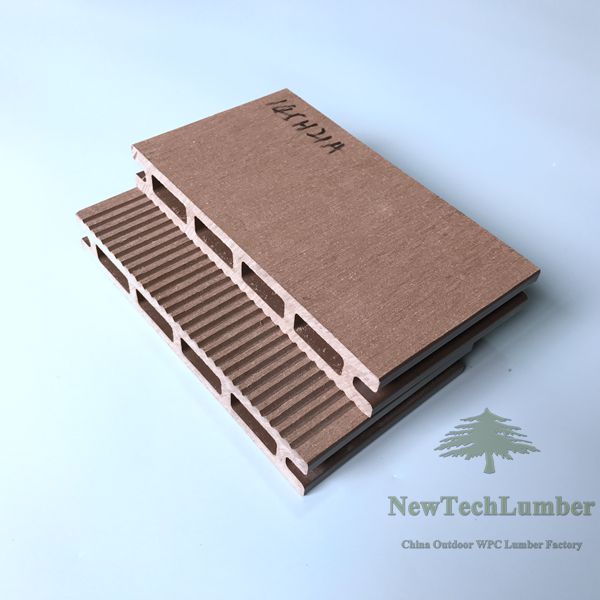
The production of WPC involves the careful blending of wood fibers and plastic polymers, which can include recycled materials. The primary components are wood flour, which is derived from sawmill waste or wood products, and thermoplastics such as polyethylene or polypropylene. The use of recycled plastics not only enhances the sustainability of the product but also contributes to waste reduction in landfills. This eco-friendly aspect is one of the most attractive features of WPC for environmentally conscious consumers.
The first step in the manufacturing process is the selection and preparation of raw materials. The wood fibers must be processed to achieve a uniform size, often using grinding or milling techniques. This ensures that the final product has consistent properties and performance. The plastic component is also prepared by melting it down to a specific viscosity, which is crucial for achieving the right consistency when combined with the wood fibers.
Once the materials are prepared, they are combined in a mixing process known as compounding. This is a critical stage in WPC production, as the ratio of wood to plastic can significantly influence the properties of the final product. A typical formulation might consist of approximately 50 to 70 percent wood fiber and 30 to 50 percent plastic. Additives such as UV stabilizers, colorants, and antifungal agents are also included to enhance performance and longevity. The mixing process must ensure a homogeneous blend, which is essential for achieving consistent quality throughout the decking material.

After compounding, the mixture is subjected to an extrusion process. During extrusion, the blended material is heated and forced through a die, shaping it into the desired profile for decking boards. This process can be finely tuned to produce varying thicknesses and widths, allowing for versatility in design. Additionally, the extrusion process can incorporate surface texturing, which not only enhances the visual appeal but also provides improved slip resistance, making the decking safer for outdoor use.
Cooling and cutting are subsequent steps in the manufacturing process. Once the extruded WPC has been shaped, it must be cooled to solidify the form. This is typically achieved through a water bath or air cooling system. After cooling, the material is cut into specified lengths, ready for packaging and distribution. Quality control measures are vital during this stage to ensure that the decking meets industry standards for strength, durability, and appearance.
One of the most significant advantages of WPC decking is its resistance to the elements. Traditional wood decking can be susceptible to rot, warping, and insect damage due to exposure to moisture and fluctuating temperatures. In contrast, WPC is engineered to withstand these challenges. The combination of wood and plastic creates a product that does not absorb water, thus minimizing the risk of swelling or warping. Furthermore, the incorporation of UV stabilizers helps prevent fading and discoloration from sun exposure, ensuring that the deck maintains its aesthetic appeal over time.
Maintenance is another area where WPC outshines traditional materials. Wooden decks require regular staining, sealing, and cleaning to preserve their integrity and appearance. In contrast, WPC decking is designed to be low maintenance. It does not require painting or sealing, and routine cleaning can often be accomplished with a simple soap-and-water solution. This ease of maintenance makes WPC an attractive option for homeowners looking to reduce the time and effort associated with outdoor upkeep.
The environmental benefits of WPC cannot be overlooked. By utilizing recycled materials, the production of WPC contributes to a circular economy while reducing the demand for virgin wood resources. This aspect appeals to consumers who prioritize sustainability in their purchasing decisions. Additionally, the longevity and durability of WPC mean that it does not need to be replaced as frequently as traditional wood decking, further reducing its environmental footprint.
In the context of outdoor living spaces, WPC decking offers an array of design possibilities. It is available in various colors, textures, and finishes, allowing homeowners to create customized outdoor environments that reflect their personal style. Whether used for patios, pool decks, or garden walkways, WPC can enhance the overall aesthetic while providing a functional surface that withstands the rigors of outdoor use.
The production processes involved in creating outdoor WPC are a testament to the material’s innovative design and engineering. From the careful selection of raw materials to the state-of-the-art manufacturing techniques, every step is focused on delivering a product that meets the demands of modern outdoor living. With its weather resistance, low maintenance requirements, and sustainability features, WPC has established itself as a leading choice for decking solutions in today’s market. As consumers continue to seek materials that combine beauty with functionality, WPC is poised to remain a popular option for years to come.