
Outdoor Wood Plastic Composite Wall Panel: Beauty and Protection for Your Walls
Outdoor spaces often serve as an extension of our living areas, where aesthetics and functionality merge to create inviting environments. One of the most innovative materials that have emerged in recent years for exterior wall applications is the wood plastic composite wall panel. This material not only offers visual appeal but also provides robust protection against environmental factors. Understanding the installation and maintenance of these panels is essential for maximizing their benefits.
Wood plastic composite, or WPC, is made from a blend of wood fibers and recycled plastic. This combination results in a material that mimics the appearance of natural wood while offering enhanced durability and resistance to the elements. The panels come in various colors and textures, allowing homeowners and designers to choose options that best suit their design preferences. The aesthetic versatility of WPC wall panels makes them an attractive choice for contemporary homes, commercial buildings, and outdoor structures.
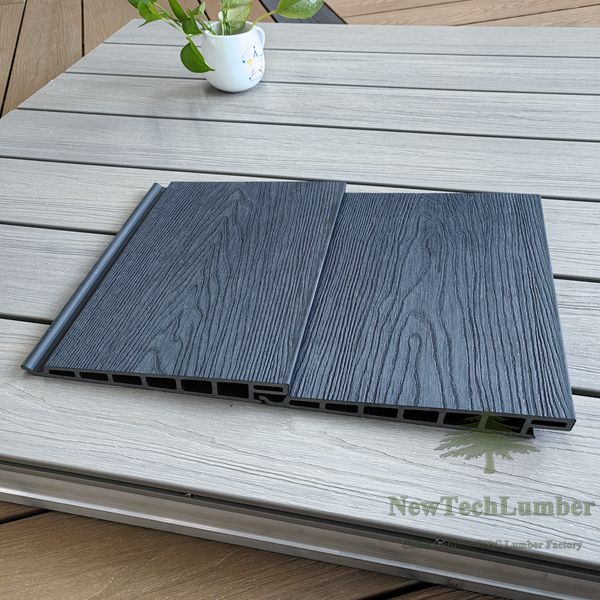
Installing outdoor wood plastic composite wall panels requires careful planning and execution to ensure a seamless and lasting finish. Before installation begins, it is crucial to prepare the wall surface adequately. This includes cleaning the area to remove any dirt, debris, or previous coatings that could interfere with adhesion. If the panels are being installed over existing siding, it is essential to ensure that the underlying material is stable and in good condition.
Once the surface is prepared, the next step is to gather the necessary tools and materials. Common tools required for installation include a saw, drill, level, and measuring tape. It is advisable to read the manufacturer’s instructions thoroughly, as different brands may have specific requirements regarding spacing, fastening, and alignment. The panels are typically installed horizontally or vertically, depending on the desired aesthetic and structural considerations.
One of the advantages of WPC wall panels is their lightweight nature, which simplifies the installation process. The panels can be cut to size easily, allowing for precise fitting around windows, doors, and other architectural features. When fastening the panels to the wall, it is important to use corrosion-resistant screws or clips to prevent rust and ensure longevity. Proper spacing between the panels is also critical; it allows for natural expansion and contraction due to temperature changes, minimizing the risk of warping or cracking.

After the panels are installed, attention must be given to sealing and finishing. While WPC is naturally resistant to moisture, applying a sealant can offer additional protection against water infiltration and enhance the material’s lifespan. It is essential to choose a sealant that is compatible with composite materials to ensure optimal performance. Additionally, caulking around edges and seams can help further prevent moisture intrusion, which is particularly important in areas with heavy rainfall or humidity.
Maintenance of outdoor wood plastic composite wall panels is relatively straightforward, making them an appealing choice for homeowners who want beauty without the burden of high upkeep. Routine cleaning is essential to keep the panels looking their best. A simple wash with soap and water, combined with a soft brush, can remove dirt, grime, and mildew that may accumulate over time. For tougher stains, a mild bleach solution can be employed, but it is vital to follow the manufacturer’s recommendations to avoid damaging the material.
It is advisable to inspect the panels regularly for signs of wear or damage. Even though WPC is designed to withstand the elements, factors such as intense sunlight, heavy rain, or extreme temperature fluctuations can impact its integrity. If any panels show signs of cracking, fading, or warping, it is crucial to address these issues promptly. Replacing damaged panels not only restores the aesthetic appeal but also prevents further deterioration that could affect the surrounding structure.
Another aspect of maintenance involves protecting the panels from potential physical damage. While WPC is more durable than traditional wood, it is not impervious to impact. Homeowners should take care to avoid hitting the panels with heavy objects or equipment, particularly during landscaping or maintenance tasks. Additionally, using furniture pads under outdoor furniture can help prevent scratches and dents.
In terms of sustainability, outdoor wood plastic composite wall panels offer an eco-friendly option for construction and renovation projects. The use of recycled materials in their production reduces waste and minimizes the demand for virgin wood. This characteristic appeals to environmentally conscious consumers who wish to make responsible choices without sacrificing style or functionality.
Choosing outdoor wood plastic composite wall panels for your exterior spaces combines beauty with protection. With proper installation techniques and regular maintenance, these panels can enhance the aesthetic appeal of your home while providing long-lasting durability. Embracing this innovative material allows homeowners to enjoy a stylish and resilient environment that stands up to the challenges of outdoor living.