
When constructing a composite deck, understanding joist spacing is crucial for ensuring optimal support and durability. Composite decking materials, made from a blend of wood fibers and recycled plastics, offer several advantages over traditional wood, including resistance to rot, insects, and fading. However, the effectiveness of these materials largely depends on the underlying support structure, specifically the spacing of the joists.
Joists are horizontal supports that run perpendicular to the direction of the decking boards. They serve as the backbone of the deck, providing the necessary strength to hold the weight of the deck itself, along with any furniture, foot traffic, and other loads. The spacing of these joists is a critical consideration in the design and installation process.
Manufacturers of composite decking typically recommend specific joist spacing to ensure the best performance. Common spacings include 12, 16, or 24 inches on center. The choice of spacing depends on several factors, including the type of composite material, the expected load on the deck, and local building codes. For instance, if the decking material is particularly rigid and strong, wider spacing may be permissible. However, for softer composites, closer spacing might be necessary to prevent sagging or warping.
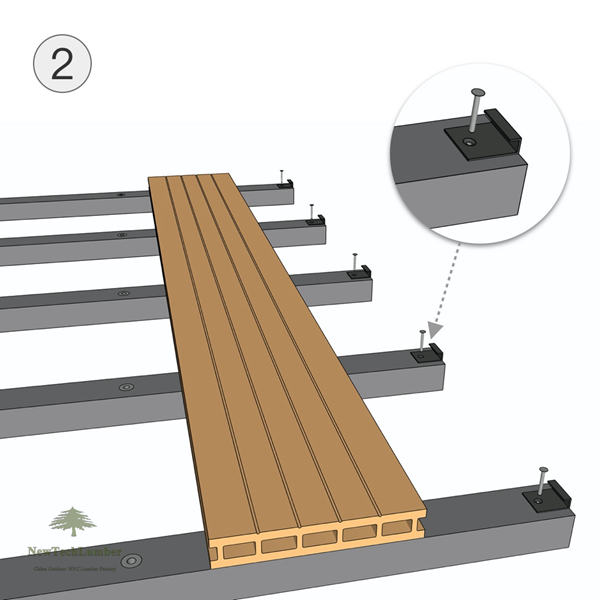
One of the primary reasons for adhering to the recommended joist spacing is the prevention of deflection. Deflection refers to the amount of bending that occurs under load. Excessive deflection can lead to a compromised structural integrity of the deck, resulting in safety hazards and costly repairs. By following the manufacturer’s guidelines on spacing, builders can ensure that the deck will withstand the test of time, maintaining both its aesthetic appeal and functionality.
Moreover, proper joist spacing contributes to the overall performance of the composite decking. When joists are installed too far apart, the decking boards may flex excessively when walked upon, creating an uncomfortable experience for users. This can also lead to premature wear and tear on the decking surface, diminishing its lifespan. On the other hand, spacing the joists too closely can lead to unnecessary material usage and increased costs, without providing any tangible benefits.
Another significant consideration is the type of fasteners used to secure the composite decking to the joists. The choice of fastener can influence the performance of the deck structure, especially concerning thermal expansion and contraction. Composite materials can expand and contract with temperature changes, and proper installation techniques, including spacing and fastening, are essential for accommodating this movement. Builders should choose fasteners that are compatible with composite materials and follow the manufacturer’s recommendations for spacing and placement.
In addition to structural integrity, joist spacing also affects the aesthetics of the finished deck. Uneven spacing can lead to visible sagging or gaps in the decking boards, detracting from the overall appearance. Ensuring that the joists are correctly spaced not only provides a sturdy foundation but also results in a visually appealing surface that enhances the outdoor living space.
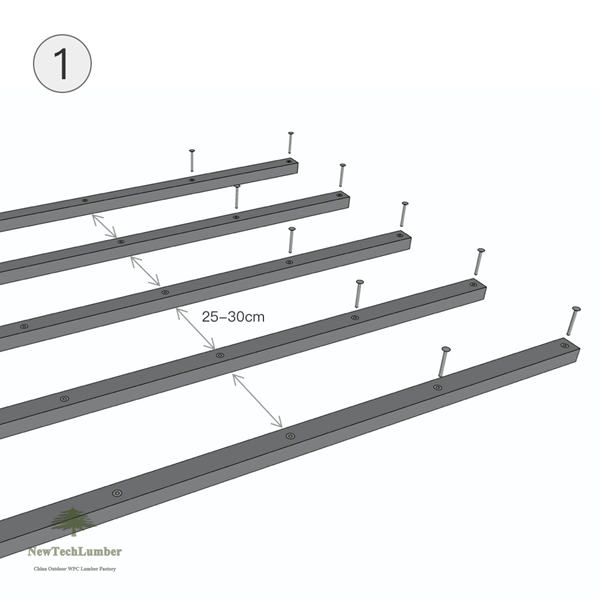
Another aspect to consider is the long-term maintenance of the deck. Composite materials are designed to be low-maintenance; however, improper installation can lead to issues such as water pooling or debris accumulation in gaps between boards. Adequate joist spacing can promote proper drainage and airflow, reducing the likelihood of mold and mildew growth. This not only enhances the longevity of the decking material but also contributes to a safer and more enjoyable outdoor environment.
When planning a composite deck, it is essential to take into account the specific requirements of the chosen material, any local building codes, and the anticipated use of the space. Consulting with professionals or referring to manufacturer guidelines can provide valuable insights into optimal joist spacing.
Ultimately, ensuring proper joist spacing for composite decking is a fundamental aspect of deck construction that offers numerous benefits. From enhancing structural integrity and performance to improving aesthetics and minimizing maintenance, the careful consideration of this element can significantly impact the success of the project. By following best practices and using quality materials, builders can create a deck that not only meets but exceeds expectations, providing a safe and beautiful outdoor space for years to come.