
Choosing tongue and groove composite deck boards offers a seamless finish that enhances the aesthetic appeal of outdoor spaces. The decision to use these boards is influenced by various factors, including global production capacity and pricing advantages. Understanding these aspects can help consumers make informed choices for their decking projects.
Composite decking has gained immense popularity in recent years due to its durability, low maintenance, and environmental benefits. As the global demand for outdoor living spaces increases, manufacturers have ramped up production to meet this need. Countries such as the United States, Canada, and several in Europe dominate the composite decking market, thanks to advanced manufacturing technologies and abundant raw materials. These regions have established a robust supply chain that facilitates the efficient production of composite decking, ensuring a steady availability of products to consumers.
The production capacity of composite decking boards varies significantly across different regions. In North America, for instance, leading manufacturers have invested heavily in state-of-the-art facilities that allow for large-scale production. This results in a wide variety of products that cater to diverse consumer preferences. The competitive landscape in North America drives innovation, with companies continuously improving product quality and design. This not only benefits consumers by providing a range of options but also helps to keep prices competitive.
In contrast, other regions such as Asia and South America are emerging players in the composite decking market. These regions are beginning to develop their own manufacturing capabilities, often leveraging lower labor costs to produce composite materials at competitive prices. As these markets grow, they are contributing to a more diverse global supply chain, which can lead to price reductions for consumers. The increasing production capacities in these areas may also introduce new products that incorporate unique design features or environmentally friendly materials, further expanding the options available to consumers.
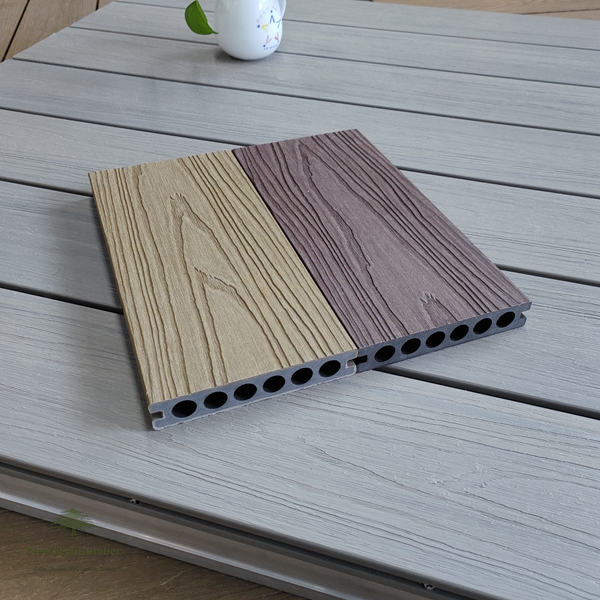
Price advantages are a critical factor when choosing composite decking materials. Tongue and groove boards, in particular, provide a seamless finish that enhances the visual appeal of a deck. Their interlocking design minimizes gaps between boards, reducing the likelihood of water pooling and promoting better drainage. This design feature not only improves aesthetics but also contributes to the longevity of the decking by preventing moisture-related damage.
The pricing of tongue and groove composite deck boards can vary based on several factors, including the type of materials used, production processes, and regional market dynamics. High-quality composite materials, often made from a blend of recycled wood fibers and plastic, tend to be more expensive but offer superior durability and longevity. Conversely, lower-quality products may be more affordable but could lead to higher maintenance costs over time due to wear and tear.
Global supply dynamics also play a significant role in pricing. As production capacities increase in emerging markets, competition may drive prices down, benefiting consumers. However, fluctuations in raw material costs can impact pricing as well. For instance, if the price of plastic resin increases due to supply chain disruptions or increased demand, the cost of composite decking may rise accordingly. Consumers should be aware of these factors when budgeting for their decking projects.
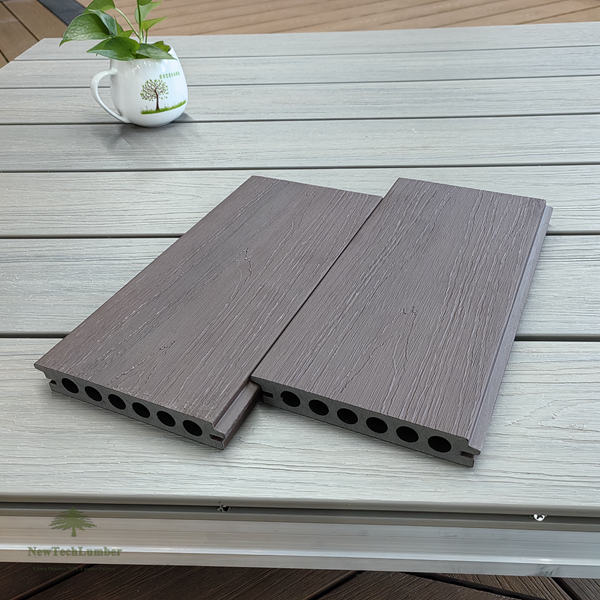
In addition to cost considerations, the long-term value of tongue and groove composite deck boards cannot be overlooked. These boards require minimal maintenance compared to traditional wood decking, which often requires regular staining, sealing, or painting. The initial investment in high-quality composite decking can lead to significant savings over time, making it a cost-effective choice for homeowners looking to enhance their outdoor spaces.
Furthermore, the environmental benefits of composite decking contribute to its appeal. Many manufacturers prioritize sustainability by using recycled materials in their products, reducing waste and minimizing the need for virgin materials. This commitment to environmentally friendly practices resonates with consumers who are increasingly conscious of their ecological footprint.
Choosing tongue and groove composite deck boards offers a combination of aesthetic appeal, durability, and long-term value. By considering the global distribution of production capacity and the associated pricing advantages, consumers can make informed decisions that align with their needs and preferences. The growing market for composite decking ensures a wide array of options, allowing homeowners to create beautiful outdoor spaces that stand the test of time.