
Popularity of WPC Slat Wall Panels in Modern Design
WPC slat wall panels have gained significant traction in both exterior and interior décor, becoming a preferred choice for architects and designers alike. The combination of wood and plastic in these panels results in a material that is both aesthetically pleasing and remarkably durable. This versatility allows WPC slat wall panels to fit seamlessly into a variety of design schemes, from contemporary urban settings to rustic outdoor environments. Their appeal is not merely in looks, but also in their practical applications, making them suitable for a wide range of projects.
One reason for their popularity stems from their resistance to the elements. Unlike traditional wood, which can warp, rot, or succumb to insect damage over time, WPC slat wall panels maintain their integrity under harsh weather conditions. This durability ensures that they retain their visual impact while requiring minimal maintenance. Additionally, manufacturers have been quick to embrace sustainability, as WPC is often made from recycled materials, appealing to environmentally conscious consumers.
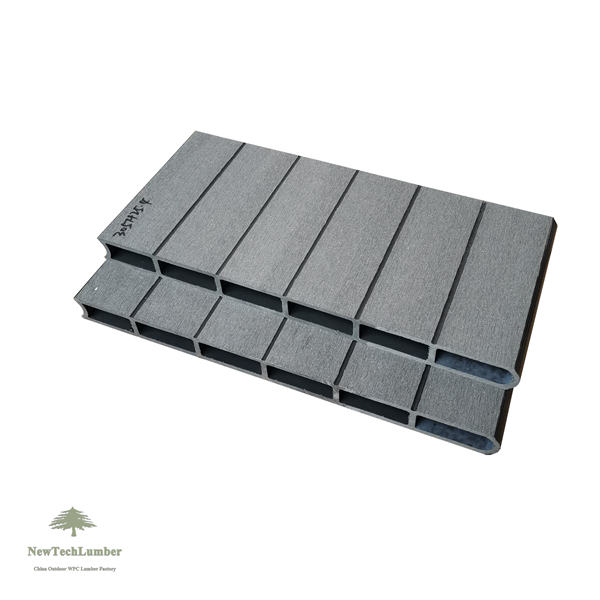
Customisation Options for WPC Slat Wall Panels
As an OEM customisation specialist in a WPC factory, I can attest to the extensive range of customisation options available for WPC slat wall panels. Manufacturers cater to the diverse needs of global customers by offering tailored solutions in profile dimensions. Whether a client requires panels in standard sizes or specific measurements to fit unique spaces, the ability to customise dimensions ensures a perfect fit for any project.
Colour is another critical area where customisation shines. Manufacturers can produce WPC slat wall panels in various shades and finishes, allowing customers to match panels with their existing décor or branding. This flexibility extends to surface textures as well, with options ranging from smooth finishes to more natural wood-like textures. Such variety not only enhances aesthetic appeal but also allows for differentiation in a crowded market.
Branding and Packaging Solutions
Branding plays a vital role in establishing market presence, and manufacturers are increasingly aware of this in the customisation process. WPC slat wall panels can be branded according to a client’s specifications, whether that involves printing logos directly onto the panels or using custom packaging that reflects the brand’s identity. This approach not only elevates the product’s marketability but also reinforces brand recognition, a vital aspect for businesses aiming to differentiate themselves in a competitive landscape.
Moreover, packaging solutions can be tailored to ensure safe transport and storage of the panels. This includes custom-sized boxes or pallets that not only protect the products but also enhance their presentation in retail settings. By aligning packaging with the overall branding strategy, manufacturers help clients create a cohesive brand image from the moment the panels leave the factory to when they reach the final consumer.
Special Applications for Unique Markets
The versatility of WPC slat wall panels is further exemplified through their suitability for special applications. In addition to traditional uses in residential and commercial spaces, these panels can be adapted for unique projects, such as exhibitions, showrooms, and even temporary installations. The lightweight nature of WPC slat wall panels makes them particularly appealing for such applications, as they can be easily transported and installed.
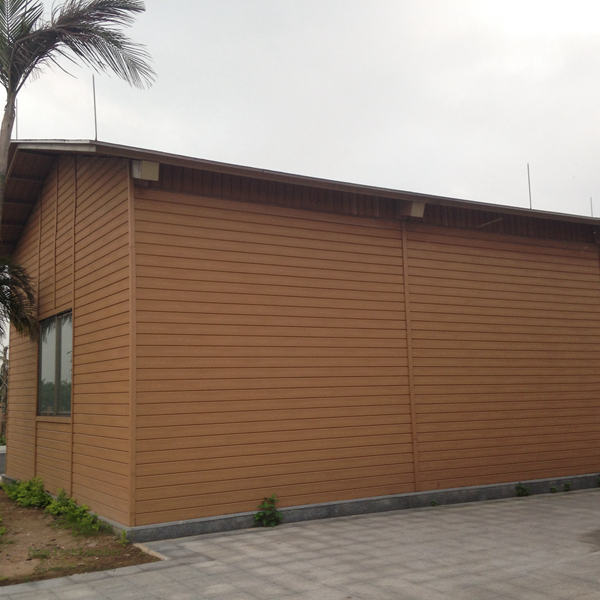
Additionally, certain markets may require features such as enhanced fire resistance or specific acoustic properties. Manufacturers can incorporate additives during the production process to meet these specific needs, ensuring that WPC slat wall panels excel in various environments, from busy urban developments to tranquil garden settings. This adaptability not only supports diverse design visions but also opens new avenues for innovation in material usage.
Global Trends Influencing WPC Slat Wall Panels
The global market trends are increasingly favouring sustainable building materials, and WPC slat wall panels perfectly align with this shift. As more consumers and businesses prioritise eco-friendly options, manufacturers are focused on enhancing the sustainable aspects of their products. The use of recycled materials in the production of WPC not only reduces waste but also appeals to a growing demographic that values environmental responsibility.
Furthermore, the trend towards indoor-outdoor living spaces has also bolstered the demand for WPC slat wall panels. Their ability to harmonise indoor environments with outdoor aesthetics caters to contemporary lifestyle preferences, making them an attractive choice for both residential and commercial applications. This trend is likely to continue, driving further innovation and expansion in the WPC market.
Future Prospects for WPC Slat Wall Panels
As the demand for WPC slat wall panels continues to rise, manufacturers will need to remain agile and responsive to changing customer needs. The focus on customisation will undoubtedly expand, with clients seeking even more personalised solutions as they strive to stand out in the marketplace. Innovations in production technologies will enable manufacturers to introduce new designs and features, ensuring that WPC slat wall panels evolve alongside market demands.
Ultimately, the popularity of WPC slat wall panels for both interior and exterior decoration is set to grow, driven by their inherent advantages and the ever-increasing demand for sustainable materials. With a commitment to quality and customer satisfaction, manufacturers can establish themselves as leaders in this promising sector, paving the way for even greater possibilities in the design and construction industries.