
Calculating Labour Costs in Composite Decking Projects
Accurately calculating the composite deck labour cost is essential for outdoor construction projects, especially for businesses involved in the design and installation of composite decking. The labour cost encompasses several factors, including the complexity of the deck design, the size of the area to be covered, and the local wage rates for skilled labour. Understanding these costs can help manufacturers, contractors, and project managers provide precise estimates for clients and ensure profitability during the project lifecycle.
When calculating labour costs, consider the type of installation required. For instance, a simple rectangular deck may require less time and effort than a complex multi-tiered structure with intricate angles and features. Additionally, the experience level of the labourers can greatly impact efficiency and quality, potentially altering the overall costs associated with the installation.
Key Factors Influencing Labour Cost
Several key factors influence the composite deck labour cost. One of the primary considerations is the experience and skill level of the workforce. Highly skilled tradespeople typically command higher hourly wages but can also work more efficiently, potentially reducing the overall time required for the project. Furthermore, geographic location plays a significant role in determining labour rates; urban centres often have higher costs than rural areas due to demand and cost of living differences.
Another critical aspect to consider is the time required for preparation and finishing tasks. Composite decking usually necessitates additional preparation work, such as ground levelling or the installation of a supportive framework, which can extend labour hours. Furthermore, if the project involves custom features like built-in benches or lighting, this intricacy can increase the time and thus the labour cost associated with the installation.
Estimating Time for Installation
Estimating the time required for composite decking installation is pivotal to calculating labour costs accurately. Begin by assessing the dimensions of the project area and the complexity of the deck design. For a straightforward rectangular deck, a rough estimate might be around 15 to 25 hours for a team of two skilled workers to complete the installation. However, for a more complex design featuring curves or multi-levels, this time could easily double.
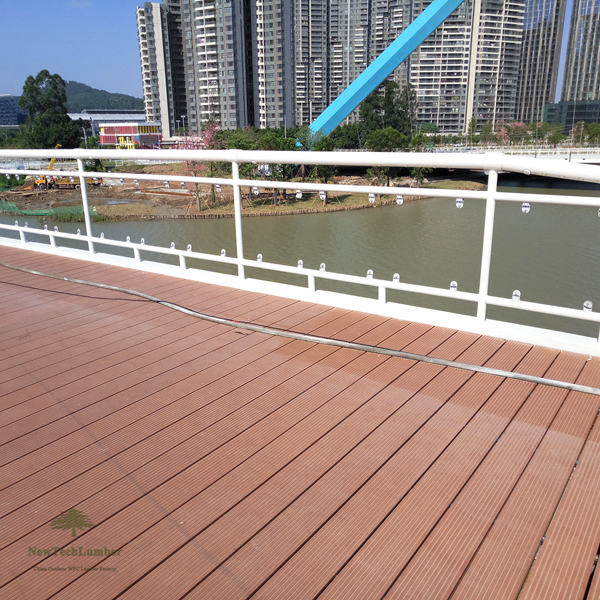
It’s essential to factor in the installation of other components such as railings and stairs as well. Each additional element adds to the overall labour hours. Keep in mind that the installation process might also be influenced by weather conditions and site accessibility, so adding a buffer in your estimates can help accommodate unforeseen delays.
The Role of Material Handling in Labour Costs
Material handling is another often-overlooked component of composite deck labour costs. The transportation of materials to the job site, unloading, and storage can significantly affect the overall labour requirements. If materials are heavy or bulky, additional assistance may be needed to move them, increasing labour hours. Moreover, ensuring that the materials are correctly stored and handled can prevent damage, which also contributes to overall project costs.
When dealing with composite materials, it is critical to educate the workforce about proper handling techniques to minimise waste. Any wasted materials not only inflate the material costs but can also lead to additional labour costs associated with the removal and disposal of unusable pieces.
Calculating Overall Project Costs
Once you have calculated the estimated hours required for installation and accounted for material handling, the next step is to combine these figures to determine the total labour cost. Multiply the total estimated hours by the hourly wage of the skilled workers involved. This calculation provides a baseline figure that can be adjusted based on potential unforeseen circumstances, such as weather-related delays or additional customisations requested by the client.
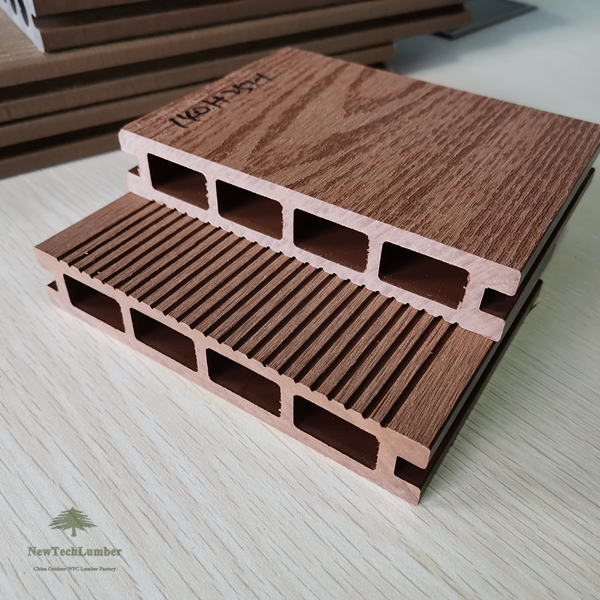
To create a more accurate budget, consider incorporating a contingency fund for unexpected costs. This is particularly important in composite decking projects where the scope can evolve as work progresses, leading to additional labour and material requirements.
Communication and Transparency with Clients
Effective communication with clients regarding the composite deck labour cost can significantly enhance customer satisfaction. Clearly outline your estimates and the reasoning behind them, providing a breakdown of costs associated with each segment of the project. Transparency helps build trust and can lead to repeat business and referrals.