
Understanding Composite Wall Cladding
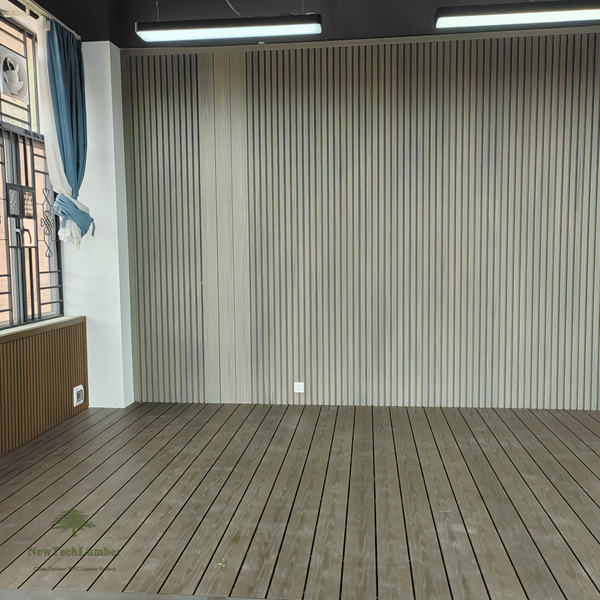
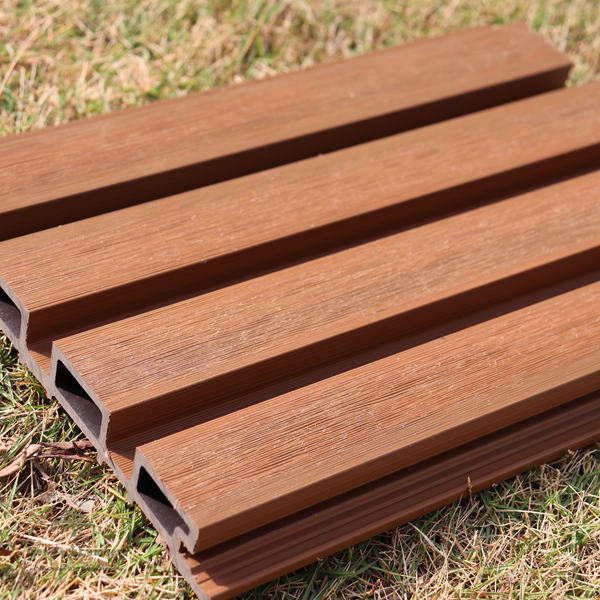
Composite wall cladding is a modern building material made from a blend of wood fibres and plastic, designed to mimic the appearance of traditional wood while offering enhanced durability and lower maintenance requirements. This innovative material has gained traction in the construction and renovation of outdoor buildings, including homes, commercial spaces, and recreational facilities. The combination of wood and plastic provides an aesthetically pleasing finish, making it a preferred choice for architects and builders aiming to enhance the exterior of structures.
Manufactured under stringent quality control measures, composite wall cladding is designed to withstand the elements, resisting warping, rotting, and insect damage. This resilience makes it ideal for outdoor applications where exposure to moisture and UV rays is a concern. With an increasing demand for sustainable building materials, composite wall cladding presents an eco-friendly alternative, as it utilises recycled materials and reduces the need for deforestation.
Advantages of Composite Wall Cladding
The appealing attributes of composite wall cladding contribute to its rising popularity among builders and homeowners. One core advantage is its low maintenance nature. Unlike traditional wood, which requires regular treatments, staining, and sealing to maintain its appearance and integrity, composite materials require minimal upkeep. A simple wash with soap and water is often sufficient to keep the surfaces looking fresh and clean.
Moreover, composite wall cladding is available in a variety of colours, finishes, and textures, allowing for creative design possibilities. This flexibility enables architects to tailor the aesthetic of buildings to suit different styles and preferences, whether contemporary, rustic, or somewhere in between. Additionally, as a leading Chinese manufacturer and exporter of WPC building materials, we ensure that our composite wall cladding meets international standards, providing peace of mind to our global clientele.
Application and Versatility
Composite wall cladding is not limited to mere aesthetics; its versatile nature allows it to be used in a range of applications. From residential homes to commercial buildings, leisure facilities, and garden structures, the adaptability of composite cladding makes it an excellent choice for various projects. Its lightweight construction simplifies installation, enabling quicker project turnaround without compromising on quality.
Furthermore, this cladding material is well-suited for regions with extreme weather conditions. Its stability under varying temperatures and resistance to moisture makes it a reliable solution in both hot and humid climates as well as cold, wet environments. By investing in composite wall cladding, builders ensure that their projects are not only visually appealing but also structurally sound and long-lasting.
Environmental Considerations
We take pride in our manufacturing scale and export experience, which allows us to maintain competitive pricing without sacrificing quality. Our commitment to sustainability, combined with our advanced production techniques, ensures that our composite wall cladding not only meets but exceeds the expectations of environmentally conscious consumers.